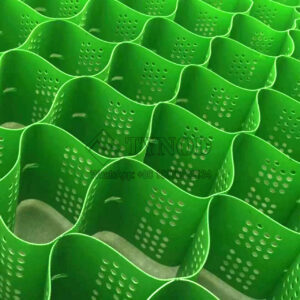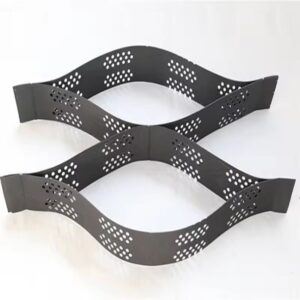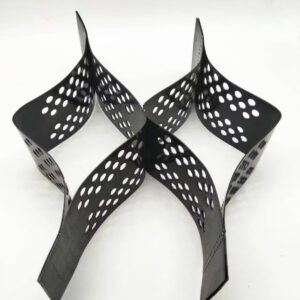
Understanding what is triaxial geogrid is essential if you’re working in road construction, soft soil reinforcement, railway engineering, or any project where stability and long-term performance matter. Over the past decade, triaxial geogrids have become a preferred reinforcement material because of their high strength, excellent load distribution, and durability under repeated stress. 🚧
This material is designed to solve one of the biggest problems in geotechnical engineering—weak soil. Whether you’re building a road over soft ground or stabilizing a foundation, the right geogrid can save time, reduce costs, and improve the overall lifespan of your project.
What Is Triaxial Geogrid?
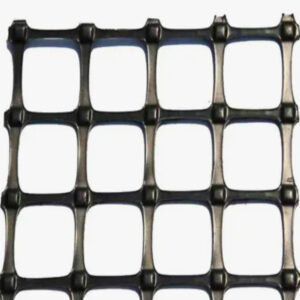
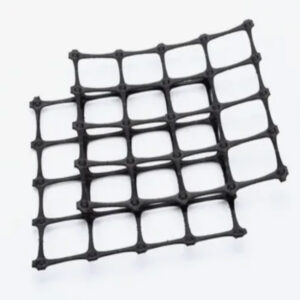
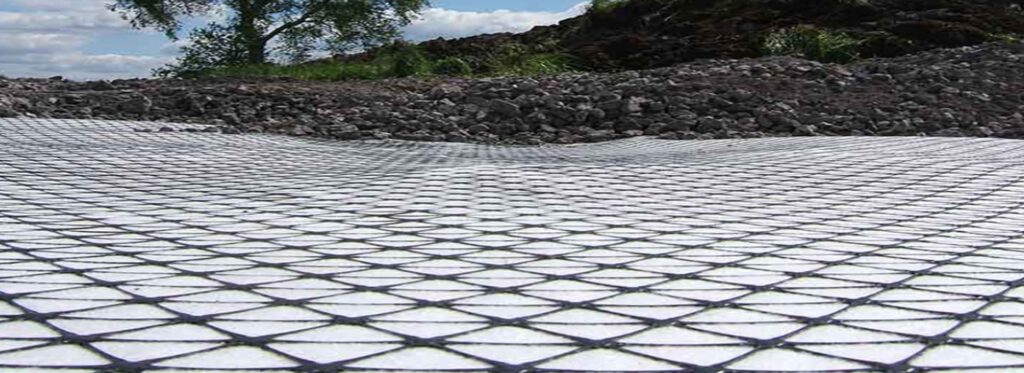
To explain what is triaxial geogrid simply: it is a geosynthetic reinforcement material formed by stretching high-quality polypropylene into a triangular mesh. This triangular pattern provides multi-directional strength, allowing the grid to resist forces applied in any direction. Unlike traditional biaxial geogrids, which reinforce mainly in two directions, triaxial geogrids distribute loads evenly across all angles.
The unique triangular structure is based on hexagonal stability—the same reason honeycombs are so strong. By transferring forces in multiple directions, triaxial geogrids create a highly stable reinforcement layer that improves the performance of roads, pavements, and foundations.
Key Features of Triaxial Geogrid
- Multi-directional strength (360° reinforcement)
- High tensile strength and stiffness
- Strong interlock with aggregate
- Excellent resistance to deformation
- Long service life with strong chemical resistance
- Suitable for both soft soils and high-load platforms
This combination of performance and versatility makes triaxial geogrids ideal for modern infrastructure projects. ⚙️
How Triaxial Geogrid Works
To fully understand what is triaxial geogrid, you also need to understand how it interacts with soil and aggregate. Unlike flexible geotextile fabrics, geogrids use their rigid structure to control movement and provide mechanical reinforcement.
1. Aggregate Interlock
When aggregate is placed on top of a triaxial geogrid, the stones lock into the triangular apertures. This interlock effect prevents lateral movement and enhances the stiffness of the base layer.
2. Load Distribution
Instead of allowing pressure to concentrate vertically, the triaxial grid spreads loads in all directions. This reduces rutting, settlement, and cracking—especially important for heavy truck roads.
3. Mechanical Confinement
The grid’s geometry restrains aggregate from spreading out under pressure. This confinement stabilizes the foundation and reduces deformation during construction and long-term use.
4. Increased Bearing Capacity
With improved interlock and reduced lateral movement, the base layer behaves like a stronger, more rigid platform. This allows structures built on top to perform better and last longer.
When Should You Use Triaxial Geogrid?
Now that you know what is triaxial geogrid, the next step is understanding where it truly shines. This type of geogrid is specifically designed for scenarios where stability, stress distribution, and strength are critical.
1. Road Construction and Highways
Triaxial geogrids are widely used in road bases and sub-bases to improve bearing capacity and resist deformation. Heavy trucks and continuous traffic cause rutting over time, especially on weak soils. The multi-directional strength of the geogrid stabilizes the aggregate, ensuring long-term performance.
Use it when:
- Building roads on soft soils
- Constructing heavy-traffic highways
- Reducing base layer thickness
- Preventing rutting and settlement
🛣️ Roads built with triaxial geogrids last longer and require fewer repairs.
2. Railway Tracks
Railways require extremely stable foundations to support vibration, impact loading, and continuous dynamic stress. Triaxial geogrids help maintain track alignment and prevent foundation failure.
Use it when:
- Constructing railway subgrades
- Stabilizing ballast and sub-ballast
- Reducing settlement under dynamic loads
This results in smoother, safer train operations.
3. Airport Runways and Industrial Yards
Airports and industrial platforms carry some of the heaviest loads. Any settlement or failure can cause serious safety risks. Triaxial geogrids provide high stiffness and strong support for these demanding surfaces.
Use it when:
- Building runways, taxiways, or aprons
- Constructing container yards and logistics parks
- Creating strong platforms for heavy machinery
✈️ The reinforcement ensures stable, long-term performance under extreme loads.
4. Soft Soil Reinforcement
Soft soil is one of the biggest engineering challenges. Without reinforcement, structures may sink, crack, or collapse. Triaxial geogrids improve the performance of soft foundations by spreading loads and increasing bearing capacity.
Use it when:
- Building on clay, silt, peat, or marshland
- Preparing weak soil for construction
- Avoiding deep excavation or soil replacement
This reduces construction cost and time while ensuring stability. 🌱
5. Parking Lots and Pavements
Light and heavy-duty pavements benefit from geogrid reinforcement to maintain surface quality and avoid costly maintenance.
Use it when:
- Constructing parking lots over weak soils
- Reinforcing pavements with frequent vehicle traffic
- Reducing pavement thickness
The grid ensures surfaces stay level and durable over time.
6. Mining, Oil & Gas, and Temporary Access Roads
Remote construction sites often face soil challenges and require temporary roads that can support heavy machinery. Triaxial geogrids make it possible to build stable routes quickly without excessive earthwork.
Use it when:
- Creating mining haul roads
- Building temporary or low-cost access roads
- Stabilizing platforms for drilling or equipment
⛏️ The ability to use local materials reduces project cost significantly.
7. Embankment and Slope Stabilization
While geocells are more common for steep slopes, triaxial geogrids are also used to reinforce embankments and low-angle slopes. They prevent soil from sliding or spreading under load.
Use it when:
- Stabilizing embankment bases
- Preventing lateral spreading
- Reinforcing slopes with heavy surcharge
This provides long-term geotechnical stability.
Types of Triaxial Geogrid
Understanding what is triaxial geogrid also includes knowing the different specifications and performance grades available.
1. PP (Polypropylene) Triaxial Geogrid
Most common type; strong, stiff, chemical-resistant.
2. HDPE-Based Triaxial Geogrid
Used in applications requiring higher durability and environmental resistance.
3. Coated Triaxial Geogrid
Offers improved bonding and corrosion resistance.
4. Different Aperture Sizes
Selected depending on aggregate size and project requirements.
5. Various Tensile Strength Classes
Typically from 20kN/m up to 60kN/m or higher.
Benefits of Using Triaxial Geogrid
Why do engineers increasingly choose triaxial geogrids? Because the performance advantages are difficult to match.
Top Benefits
- Improved bearing capacity
- Reduced aggregate thickness
- Lower overall construction cost
- Faster project completion
- Increased pavement lifespan
- Better performance under repeated loads
- Enhanced stability on weak soils
In many cases, triaxial geogrids outperform biaxial options, especially where multi-directional forces are present. 💡
Installation Overview
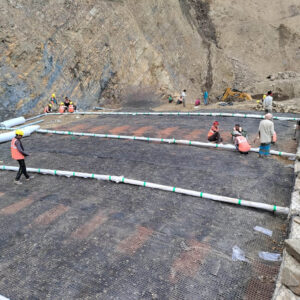
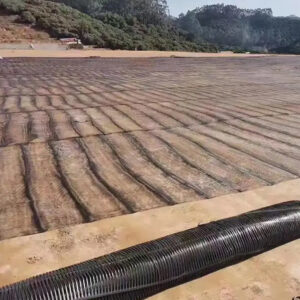
Installing triaxial geogrid is quick and practical. The basic steps include:
- Level and compact the subgrade
- Roll out the triaxial geogrid
- Overlap edges as required
- Secure the geogrid with pins or staples
- Spread and compact the aggregate fill
- Build subsequent layers if needed
The process is simple, cost-effective, and compatible with most construction methods.
Conclusion
Now that you clearly understand what is triaxial geogrid and where it should be used, it’s easy to see why this material has become a standard in modern infrastructure. Its triangular strength, high stiffness, and outstanding load distribution make it ideal for roads, railways, airports, industrial platforms, and soft soil reinforcement.
Whether you’re building a heavy-duty highway or stabilizing a weak foundation, triaxial geogrid delivers the performance and durability needed for long-lasting results. If you need help selecting the right model or designing a reinforcement solution, feel free to let me know—I can prepare technical recommendations tailored to your project. 🚀