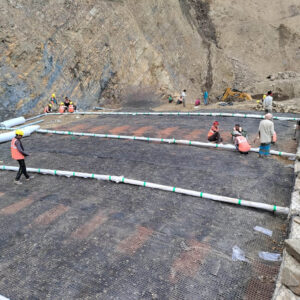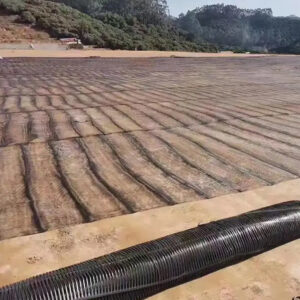
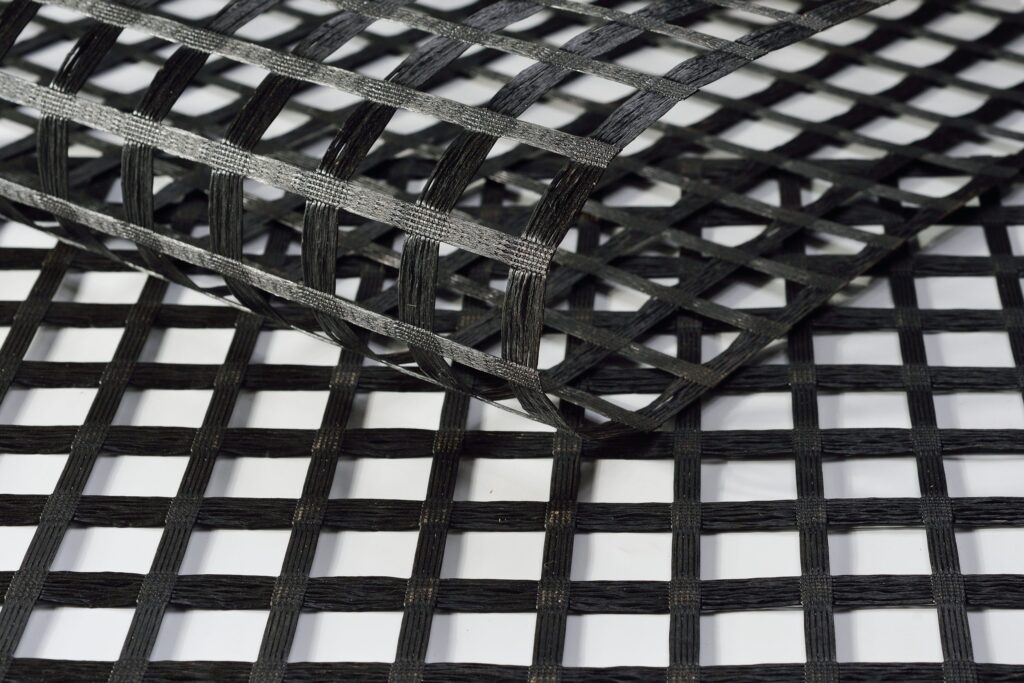
Understanding what is polyester in the context of geogrids is essential when evaluating modern road reinforcement solutions. Polyester geogrid has become one of the most trusted materials for asphalt reinforcement because it provides exceptional tensile strength, dimensional stability, and long-term durability under heavy traffic loads. Engineers worldwide rely on it to minimize reflective cracking, extend pavement lifespan, and reduce maintenance costs—making it a smart investment for any asphalt project.
What Is Polyester Geogrid?
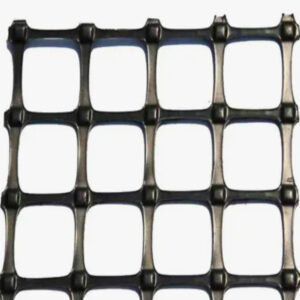
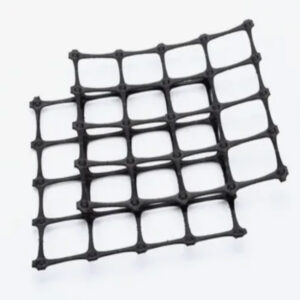
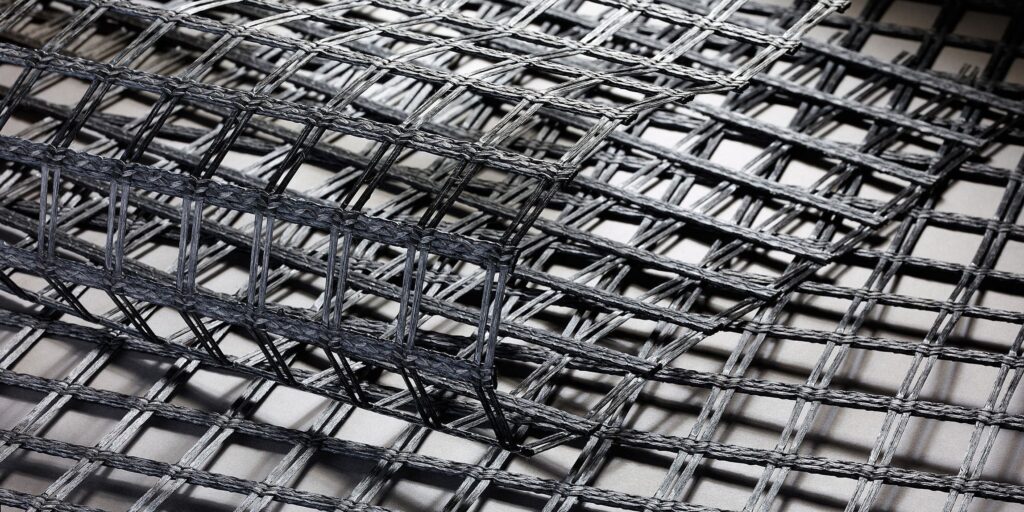
To clearly understand what is polyester geogrid, think of it as a high-strength geosynthetic mesh made from PET (polyethylene terephthalate) fibers. These fibers are carefully woven and coated with a protective polymer layer. The result is a flexible, grid-shaped reinforcement material designed to improve the structural integrity of asphalt layers.
Unlike traditional materials, polyester geogrids offer superior tensile strength in both directions, allowing them to effectively resist deformation under repeated traffic loads. Their flexibility makes them easy to handle and install, while the coating ensures excellent bonding with asphalt layers.
In simple terms: polyester geogrid strengthens the asphalt from within, preventing cracks from spreading and maintaining pavement stability.
Why Polyester Matters in Asphalt Engineering
When engineers discuss what is polyester, they highlight its mechanical properties—high tensile strength, strong bonding capability, and resistance to long-term creep. These characteristics make polyester geogrid highly effective for asphalt reinforcement.
Where traditional reinforcement materials fall short, polyester geogrids remain stable under continuous stress, temperature fluctuations, and heavy loads. This is especially valuable in modern transportation infrastructure where traffic is increasing and pavement durability is a top priority.
How Polyester Geogrid Improves Asphalt Performance
Understanding what is polyester geogrid is important, but knowing how it improves asphalt pavement is even more valuable. Here are the core mechanisms that make it ideal for reinforcement.
1. Preventing Reflective Cracking
Reflective cracking is one of the most common pavement failures. It happens when cracks from the old surface move upward into the new asphalt layer.
Polyester geogrid works by:
- absorbing tensile stress
- redistributing load across the surface
- acting as a physical barrier to stop cracks from rising
With this reinforcement in place, pavements stay smooth and intact for far longer.
2. Enhancing Load Distribution
Asphalt layers experience constant traffic pressure from vehicles—especially heavy trucks. Polyester geogrid spreads these loads horizontally, reducing stress on the sub-layers.
Benefits include:
- reduced rutting
- minimized surface deformation
- longer pavement life
This is particularly useful for highways, industrial roads, and airport runways.
3. Improving Tensile Strength Within the Asphalt Layer
The intrinsic strength of polyester fibers plays a critical role in reinforcing asphalt.
The grid works in three ways:
- resists tensile forces
- stabilizes the pavement structure
- reduces strain under high temperatures
The result is a more durable asphalt layer that maintains performance even in hot climates.
4. Long-Term Resistance to Creep
When engineers explain what is polyester, creep resistance is often mentioned.
Creep refers to the slow deformation of materials under long-term loading.
Polyester geogrids:
- maintain shape
- stay dimensionally stable
- perform consistently for decades
This makes them more reliable than polypropylene materials in sustained load applications.
5. Excellent Bonding With Asphalt
Polyester geogrids are coated—usually with bituminous material—to enhance adhesion between the grid and asphalt.
Stronger bonding means:
- fewer air gaps
- better integration into the pavement
- reduced risk of slipping during installation
This strong interlock is essential for pavement performance.
Where Polyester Geogrid Is Used
After understanding what is polyester geogrid, the next question is: where should it be used?
Below are the most common applications.
1. Highway and Expressway Asphalt Layers
High-speed, high-load conditions make polyester geogrid a must-have reinforcement layer.
2. Airport Runways and Taxiways
These areas demand high tensile strength and deformation resistance.
3. Municipal Roads and Urban Streets
Stops cracking caused by underground utilities and frequent stop-and-go traffic.
4. Industrial Zones and Logistics Parks
Heavy trucks, forklifts, and repetitive loads quickly damage pavements—polyester geogrid slows that process.
5. Bridge Deck Overlays
Prevents reflective cracking on bridge surfaces where expansion joints create stress.
6. Maintenance and Pavement Rehabilitation
Adding polyester geogrid during resurfacing helps extend the life of existing pavements at a lower cost.
Advantages of Polyester Geogrid for Asphalt Reinforcement
Here are the reasons engineers increasingly choose polyester geogrid over other materials.
1. High Tensile Strength
PET fibers deliver excellent tensile performance, even at low elongation.
This is critical for preventing crack propagation.
2. Superior Creep Resistance
Polyester does not deform easily under long-term loads, ensuring stable pavement performance.
3. Outstanding Temperature Stability
Ideal for both hot and cold climates—does not soften at high temperatures or become brittle at low temperatures.
4. Strong Bonding With Asphalt
The coated surface ensures good adhesion, forming a stable reinforcement layer.
5. Flexibility and Ease of Installation
The material is lightweight, easy to unroll, and simple to cut, saving time and labor on-site.
6. Cost-Effective Pavement Life Extension
It significantly reduces long-term maintenance and repair costs by:
- delaying crack formation
- extending pavement lifespan
- improving structural resilience
Cost savings become more noticeable in large-scale or high-traffic projects.
How Polyester Geogrid Is Installed
One reason polyester geogrids are popular is that installation is straightforward.
Here’s the typical process:
- Prepare the surface
Clean and level the existing pavement. - Apply tack coat
Ensures strong bonding between asphalt and geogrid. - Unroll the polyester geogrid
Lay it flat without wrinkles; overlap edges when needed. - Lightly press the grid
Ensures adhesion to the tack coat. - Place asphalt overlay
The hot asphalt integrates with the grid, forming a reinforced composite layer.
The simplicity of installation contributes to reduced construction time and lower labor costs.
Comparison: Polyester Geogrid vs. Fiberglass Geogrid
Both materials are popular, but polyester offers advantages in many projects.
| Feature | Polyester Geogrid | Fiberglass Geogrid |
|---|---|---|
| Tensile Strength | High | Very high |
| Flexibility | Better | More brittle |
| Creep Resistance | Excellent | Moderate |
| Temperature Stability | Very good | Excellent |
| Asphalt Bonding | Strong | Strong |
| Best Use Case | Long-term reinforcement | Reflective crack control |
Engineers choose polyester when they need durability, flexibility, and resistance to long-term load deformation.
Why Polyester Geogrid Is the Ideal Choice
Understanding what is polyester geogrid reveals why it’s widely used in modern asphalt reinforcement:
- It delivers excellent tensile and creep resistance.
- It improves pavement stability and lifespan.
- It prevents costly cracking and deformation.
- It integrates seamlessly into asphalt overlays.
- It offers long-term value with lower maintenance costs.
For contractors and project owners seeking reliability and cost savings, polyester geogrid stands out as a smart reinforcement solution.
Conclusion
Now you have a clear understanding of what is polyester geogrid and why it plays such an important role in asphalt reinforcement. Its strength, stability, bonding ability, and long-term performance make it a top choice for roads, airports, bridge decks, and rehabilitation projects.
If you need help choosing the right polyester geogrid model—or want customized specifications for your project—feel free to ask. I can assist you in creating a professional product page or technical description tailored to your independent website. Contact us now!