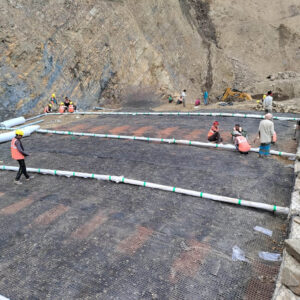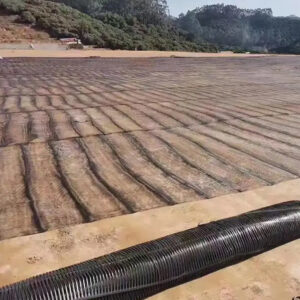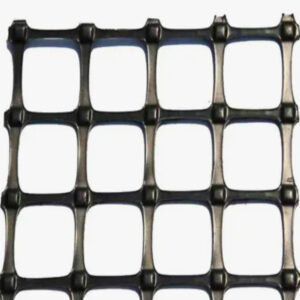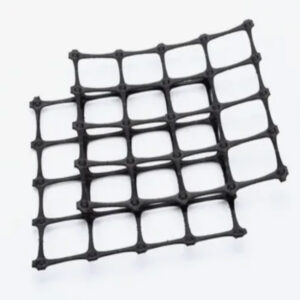
Understanding what is grass paver is essential if you work in landscaping, civil engineering, or green infrastructure. Grass pavers have become increasingly popular because they blend structural strength with environmental performance. They allow engineers to create load-bearing surfaces that remain green, permeable, and visually appealing — all while supporting vehicles, equipment, and pedestrian traffic.
This article explains what is grass paver, how it works, and why it is widely used in modern construction and environmental projects.
What Is Grass Paver?
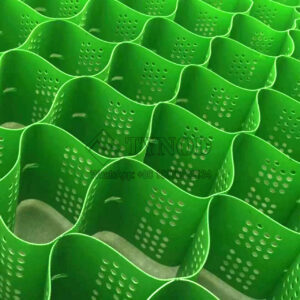
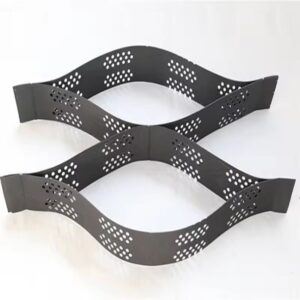
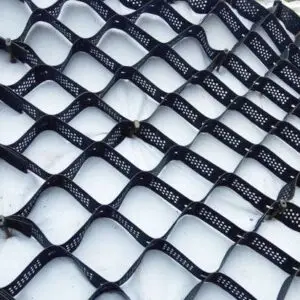
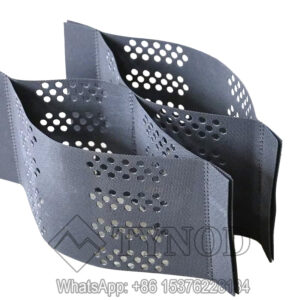
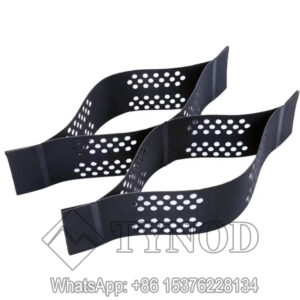
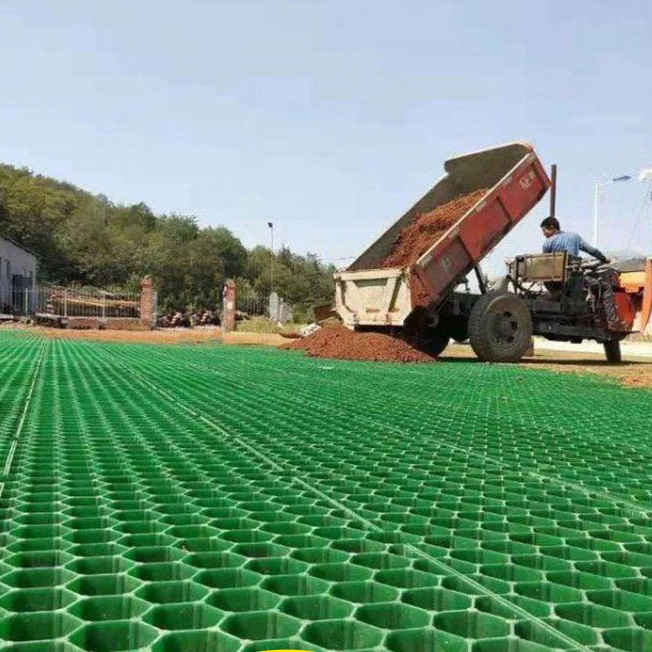
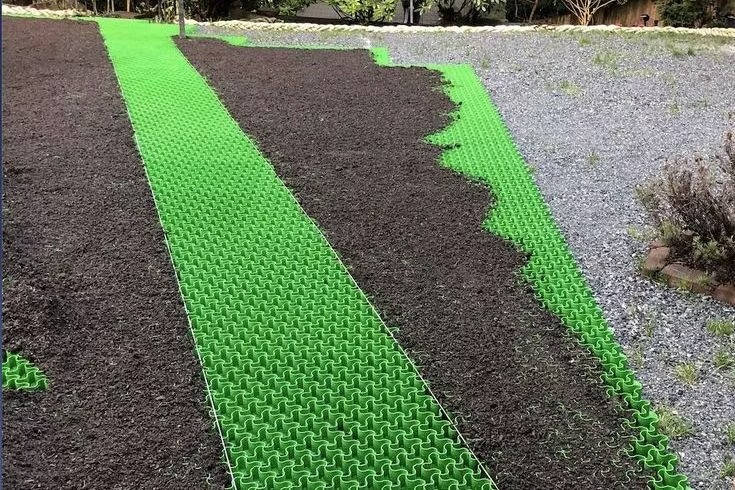
To put it simply, what is grass paver can be described as a cellular ground reinforcement system designed to support loads while allowing grass to grow through it. It is typically made from high-strength HDPE, PP, or concrete. The paver forms a grid-like structure laid over a prepared subbase. Once installed and filled with topsoil, the system creates a stable vegetated surface that functions much like a reinforced pavement layer.
Grass pavers are engineered to distribute loads across a wide area, preventing soil compaction and rutting. The open-cell design allows water infiltration and root growth, helping the grass remain healthy even under vehicle traffic.
Why Grass Pavers Are Increasingly Popular
Contractors and landscape designers choose grass pavers for two main reasons:
- They support heavy loads similar to traditional pavement.
- They create green, permeable, eco-friendly surfaces.
As cities prioritize stormwater management and sustainable design, grass pavers provide an effective solution for driveways, parking lots, fire lanes, slope protection, and more.
How Grass Pavers Support Heavy Loads
Grass pavers may look simple, but the engineering behind them is highly efficient. Their load-bearing capacity comes from three main mechanisms.
1. Cellular Confinement Structure
The interlocking cells confine the root zone and topsoil. This confinement prevents lateral soil movement, increasing the stiffness of the surface layer. The result is a reinforced ground structure capable of supporting:
- Cars
- Fire trucks
- Heavy machinery
- Emergency vehicles
- Occasional commercial traffic
The cell walls act like a frame that spreads pressure evenly.
2. Load Distribution Across a Wider Area
Instead of allowing vehicle loads to push vertically into the soil, grass pavers distribute the weight horizontally across the entire system. This reduces ground pressure and prevents:
- Rutting
- Surface deformation
- Soil compaction
This mechanism is similar to how geocells and geogrids improve ground performance.
3. High-Strength Material Composition
Depending on the project, grass pavers may be made of:
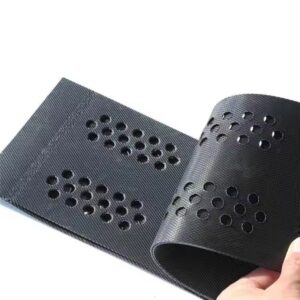
- HDPE (lightweight, flexible, strong)
- PP (rigid, high load-bearing)
- Concrete (extremely durable for heavy traffic)
HDPE and PP versions are ideal for parking areas and green spaces, while concrete pavers are used for fire lanes or industrial applications.
Key Advantages of Grass Pavers
Understanding what is grass paver means recognizing the advantages the system offers for both performance and sustainability.
1. Strong Load-Bearing Capacity
Premium grass pavers support loads up to 250 tonnes/m² depending on design and thickness.
2. Permeable and Eco-Friendly
They allow rainfall to infiltrate the soil instead of creating runoff.
3. Prevent Soil Compaction
Healthy root systems ensure long-term grass growth.
4. Reduce Urban Heat Island Effect
Green surfaces remain cooler than concrete or asphalt.
5. Easy to Install
Lightweight pavers reduce labor and equipment costs.
6. Cost-Effective
Cheaper than traditional concrete driveways while offering environmental benefits.
Common Applications of Grass Pavers
Because they offer both strength and permeability, grass pavers are used across multiple sectors.
1. Residential Projects
- Driveways
- Garden paths
- Overflow parking spaces
- RV parking
2. Commercial Areas
- Parking lots
- Access roads
- Maintenance paths
- Exhibition areas
3. Municipal and Environmental Projects
- Fire lanes
- Stormwater management areas
- Green infrastructure
- Recreational parks
4. Slope and Soil Protection
Grass pavers stabilize soil and prevent erosion on:
- Roadside embankments
- Riverbanks
- Landscaping slopes
Types of Grass Pavers
To fully answer what is grass paver, you also need to understand the different types available.
1. Plastic Grass Pavers
Made from HDPE or PP.
Benefits:
- Lightweight
- Simple installation
- High flexibility
- Excellent for residential and light commercial use
2. Concrete Grass Pavers
Heavier and stronger.
Benefits:
- Supports heavy commercial loads
- Long service life
- Ideal for fire lanes and industrial areas
3. Modular Grid Systems
Interlocking designs that combine aesthetic appeal with structural function.
How Grass Pavers Are Installed
The performance of grass pavers depends heavily on proper installation. The process usually includes:
1. Subgrade Preparation
- Remove soft or organic soil
- Ensure correct grading
- Compact the ground
2. Base Layer Construction
Add crushed stone or gravel and compact in layers.
3. Laying the Grass Pavers
Place the paver units across the prepared base and interlock them.
4. Infill
Fill the cells with topsoil or a soil-sand mixture.
5. Seeding or Sod Placement
Grass seeds or sod are added depending on the project.
6. Establishment Period
Allow the grass to grow and strengthen before applying heavy loads.
Why Engineers Recommend Grass Pavers
Professionals often choose grass pavers over traditional pavement due to:
- Their durability
- Environmental compliance
- Low maintenance requirements
- High infiltration rate
- Aesthetic value
Grass pavers meet sustainability standards and help projects comply with drainage regulations, LEED requirements, and green construction guidelines.
Conclusion
Now you have a clear understanding of what is grass paver and why it has become a preferred solution for building load-bearing green surfaces. With their strong structural performance, permeability, and environmental benefits, grass pavers offer an effective alternative to asphalt or concrete. They support heavy loads, reduce runoff, prevent soil compaction, and create a more natural environment for residential, commercial, and municipal spaces. Contact us now to get a quotation of grass paver.