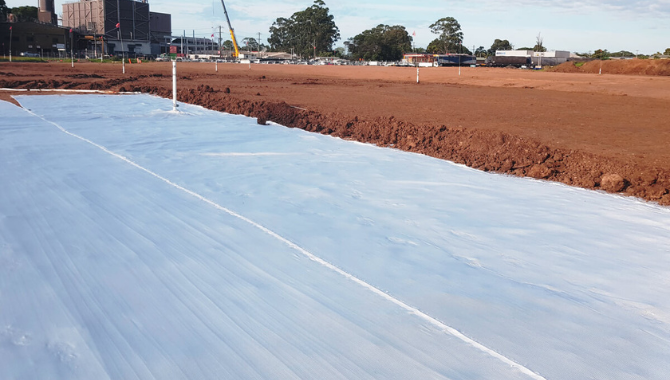
Understanding What Is Geotextile and how it works has become essential for anyone involved in civil engineering, road construction, drainage design, landscaping, and geotechnical projects. As construction standards rise and soil conditions become more challenging, geotextiles have become one of the most widely used and trusted materials for improving ground performance. They are cost-effective, versatile, and engineered to solve multiple soil-related problems with one product.
This article breaks down exactly What Is Geotextile, how it works, its types, benefits, and where engineers and contractors typically use it.
What Is Geotextile Fabric?
To answer What Is Geotextile, the simplest explanation is this:
It is a permeable synthetic fabric used to improve soil stability, provide separation, enhance drainage, and increase the lifespan of construction structures.
Most geotextiles are made from polypropylene or polyester, giving them excellent strength, durability, chemical resistance, and long-term performance under harsh conditions.
The fabric acts as a filter, separator, protector, and reinforcement layer—all depending on how it is used in a project. That multifunctionality is exactly why geotextiles have become a standard material in road works, retaining walls, drainage systems, and erosion control projects worldwide.
Types of Geotextiles
Understanding What Is Geotextile also means knowing the major categories. Each one functions differently based on how the fibers are arranged.
1. Woven Geotextile
Woven geotextiles are created by weaving yarns together, similar to textile production. This structure gives them:
- High tensile strength
- Low elongation
- Excellent reinforcement capability
They are commonly used for:
- Road foundations
- Soft soil reinforcement
- Subgrade stabilization
- Load-bearing platforms
If the project requires strength, a woven geotextile is often the first choice.
2. Non-Woven Geotextile
Non-woven geotextiles are produced by bonding fibers through needle punching or heat treatment. Compared to woven types, they offer:
- Higher permeability
- Better filtration
- Greater flexibility
These are widely used for drainage, filtration, protection, and erosion control.
Applications include:
- French drains
- Landfill leachate systems
- Riverbank protection
- Geomembrane cushioning
3. Knitted Geotextile (Less Common)
Knitted geotextiles use interlooped yarns. They are not as widespread but are used in specialized reinforcement and composite geosynthetic products.
How Geotextile Fabric Works
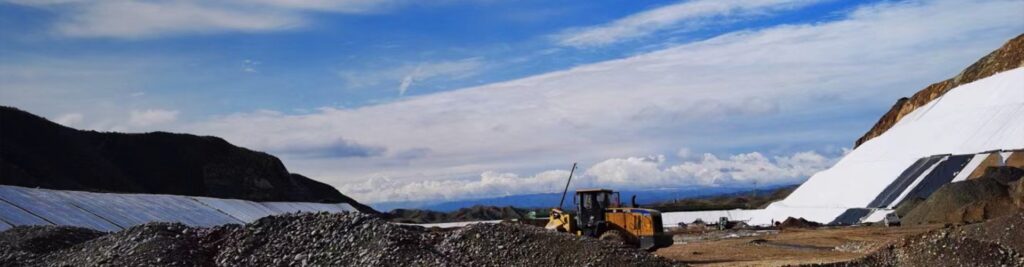
One of the key reasons people search for What Is Geotextile is to understand how this simple-looking fabric solves major engineering problems. The answer lies in four main functions:
1. Separation
When two soil layers mix—such as subgrade soil and aggregate—the structure loses strength. Geotextile prevents this mixing.
This increases the stability and lifespan of:
- Roads
- Parking lots
- Driveways
- Railways
The separation function alone can prevent rutting, sinking, and premature failure.
2. Filtration
Geotextile allows water to pass while preventing soil movement. This ensures:
- Drainage systems work efficiently
- Soil remains stable
- Erosion is minimized
Non-woven geotextiles are particularly effective in this role.
3. Drainage
In many projects, managing water movement is essential. Geotextile provides a controlled channel for water to flow horizontally or vertically without washing away the soil.
Typical drainage applications include:
- Backfill behind retaining walls
- Under-road drainage mats
- Leachate collection systems
4. Reinforcement
Woven geotextiles enhance the mechanical properties of soil by adding tensile strength. This helps the soil resist:
- Shear forces
- Settlement
- Vertical compression
As a result, the structure becomes more stable and durable.
Why Geotextile Fabric Is So Important in Construction
Now that we’ve answered What Is Geotextile, the next question is why engineers consider it indispensable.
1. Improves Soil Strength
Weak soils such as clay, silt, and soft subgrade can cause structural failure. Geotextiles reinforce the soil, distribute loads, and improve bearing capacity—allowing construction on ground that would otherwise be unsuitable.
2. Extends the Life of Infrastructure
Mixing of soil layers, trapped water, and erosion are major causes of road failures. Geotextile solves these problems simultaneously, greatly extending the service life of:
- Highways
- Airport runways
- Port structures
- Rural roads
3. Reduces Construction Costs
By using geotextile, contractors often require:
- Less aggregate
- Less excavation
- Fewer repairs
- Shorter construction time
This results in significant savings—especially on large-scale infrastructure projects.
4. Enhances Drainage Performance
Geotextile acts as a reliable filtration and drainage layer, maintaining water flow while preventing soil loss. This is critical for preventing structural damage caused by water pressure and soil movement.
5. Provides Superior Erosion Control
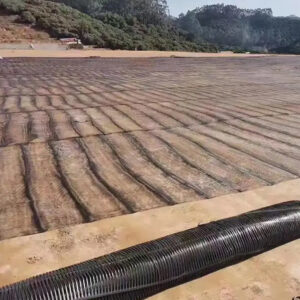
Slopes, riverbanks, coastlines, and embankments are vulnerable to erosion. Geotextile stabilizes the soil surface, protects vegetation roots, and prevents washouts.
6. Works Well with Other Geosynthetic Materials
Geotextile is commonly used together with:
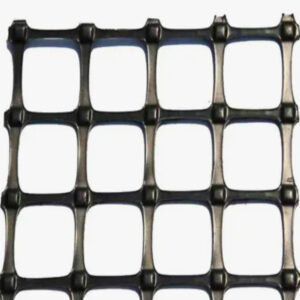
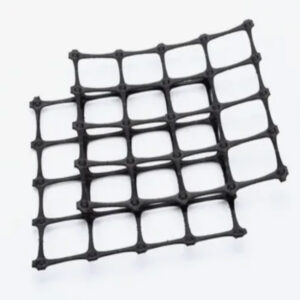
- Geogrid
- Geocell
- Geomembrane
- Drainage boards
This creates integrated systems for reinforcement, waterproofing, and filtration.
Where Geotextile Fabric Is Commonly Used
Understanding What Is Geotextile also means recognizing its wide range of applications. Here are the most common ones:
1. Road Construction
Used under pavement layers for:
- Separation
- Reinforcement
- Drainage
This prevents rutting and improves long-term stability.
2. Railway Engineering
Placed under ballast to prevent soil pumping and improve track lifespan.
3. Retaining Walls and Embankments
Provides drainage, reinforcement, and protection against soil movement.
4. Coastal and Riverbank Protection
Reduces erosion, supports vegetation, and stabilizes shorelines.
5. Landfills and Environmental Projects
Used in composite liner systems for filtration and protection over geomembranes.
6. Subsurface Drainage
Installed around drains, pipes, and trenches to maintain clean water flow.
7. Landscaping and Agriculture
Controls weed growth, maintains soil structure, and improves irrigation performance.
How to Choose the Right Geotextile Fabric
When selecting a geotextile, engineers typically consider:
- Required tensile strength
- Expected water flow
- Soil type
- Load requirements
- Installation conditions
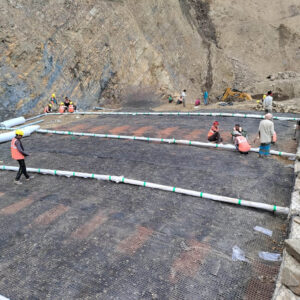
For reinforcement → woven types
For filtration/drainage → non-woven types
For cushioning → thick non-woven fabrics
For soft soil → high-strength woven geotextile
Choosing the right type ensures the structure performs the way it is designed.
Installation Overview
Proper installation is key to getting the best performance from geotextiles:
- Prepare the surface by removing sharp objects.
- Lay the geotextile smoothly without wrinkles.
- Overlap edges based on design requirements (usually 30–60 cm).
- Anchor the fabric if needed on slopes or windy sites.
- Place infill carefully to avoid damaging the material.
- Compact the layers according to engineering standards.
Correct installation ensures long-term soil stability and drainage efficiency.
Conclusion
By understanding What Is Geotextile, you can see why it has become a critical material in modern construction. From soil stabilization and drainage to reinforcement and erosion control, geotextile delivers strong, reliable, and cost-effective performance across multiple engineering challenges. Its versatility allows it to replace traditional methods, reduce costs, and increase the lifespan of infrastructure. Contact us now to get a quotation of geotextile fabric.