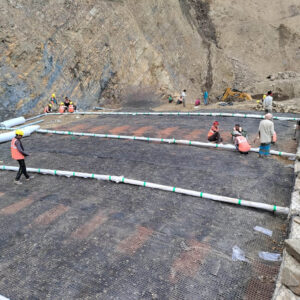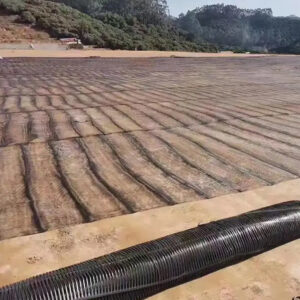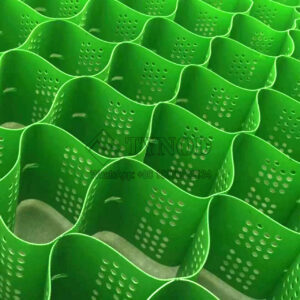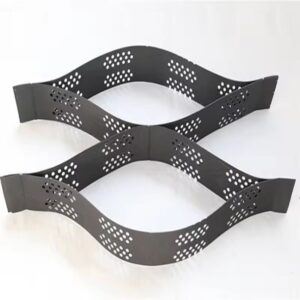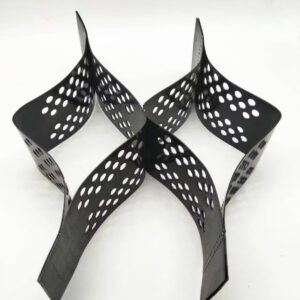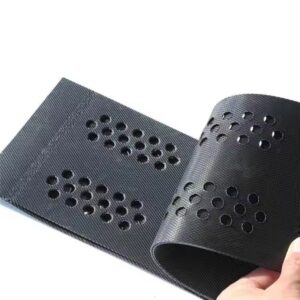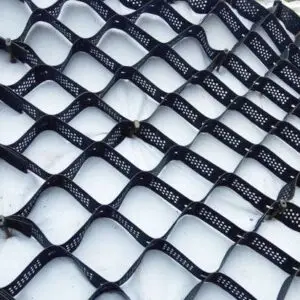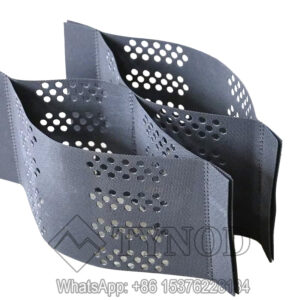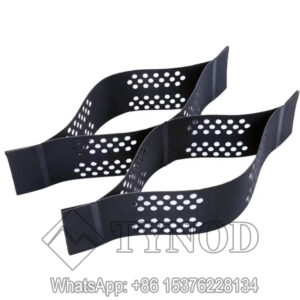
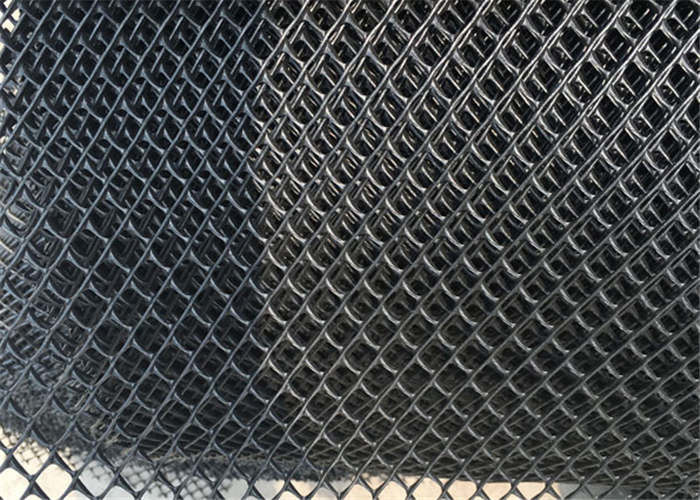
Understanding what is geonet is essential for engineers and contractors who deal with drainage, filtration, landfill systems, and geotechnical structures. Geonets have become one of the most efficient solutions for managing water flow in construction and environmental projects. Their unique structure, high flow capacity, and long service life make them a trusted choice across civil engineering sectors.
What Is Geonet?
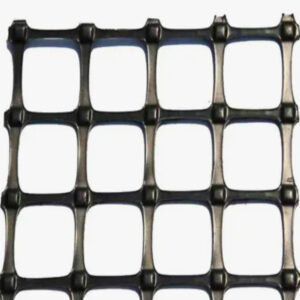
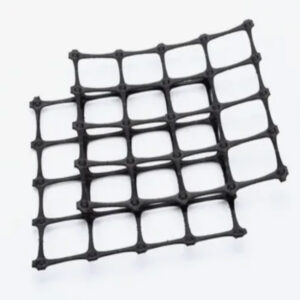
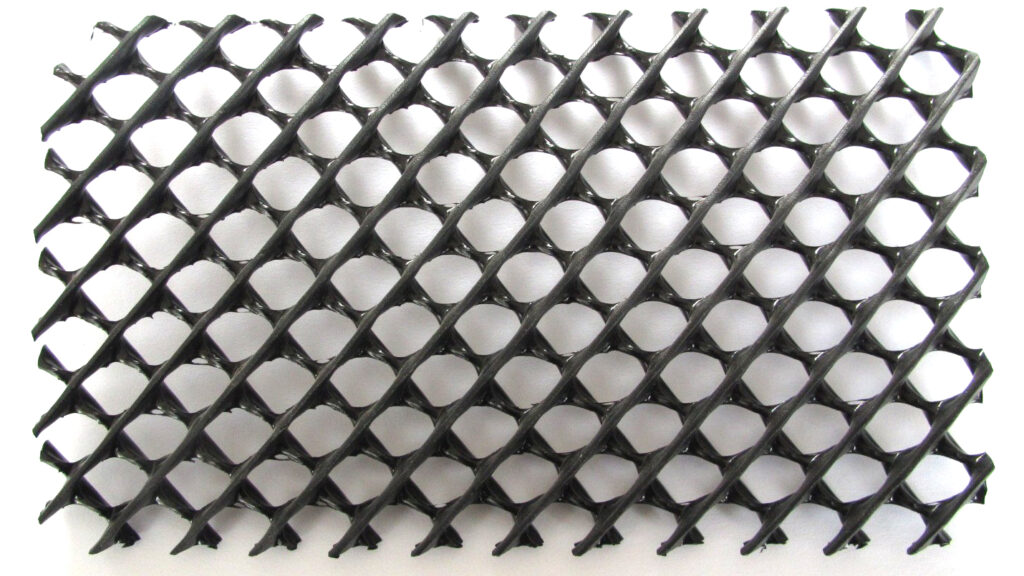
To put it simply, what is geonet can be explained as a synthetic, three-dimensional drainage layer made from high-density polyethylene (HDPE). It is designed with two or three intersecting ribs that create open channels. These channels allow water or gases to move freely through the structure while maintaining strength and resisting compression.
Unlike geotextiles—which mainly provide filtration and separation—geonets are built specifically to convey liquids and gases. Their high transmissivity makes them ideal for drainage systems where water needs to move horizontally rather than vertically.
Most geonets feature:
- HDPE material for chemical and environmental resistance
- Bi-planar or tri-planar rib design to maintain consistent flow capacity
- UV and oxidation resistance for long-term outdoor use
- Compatibility with geotextiles to create drainage composites
This combination makes the geonet a reliable, long-lasting solution for drainage management.
Why Geonets Are So Effective for Drainage
Now that we’ve clarified what is geonet, it’s easier to understand why engineers prefer it for drainage applications.
1. Large Flow Channels
The open rib structure creates continuous voids that allow water to move rapidly. Even under heavy soil pressure, these channels remain open and functional.
2. High Compressional Strength
Geonets are engineered to withstand loads from soil, geomembranes, and structures. This ensures that the drainage capacity stays stable over time.
3. Excellent Long-Term Creep Resistance
HDPE resists deformation, meaning the geonet won’t collapse or lose performance even after years of compression.
4. Chemical and Biological Resistance
In landfills, mining sites, and contaminated soil areas, geonets remain stable against:
- acids
- alkalis
- organic chemicals
- bacteria and fungi
This is crucial for environmental engineering projects.
5. Compatibility With Geotextiles
When laminated with geotextile, the product becomes a geocomposite, which provides:
- filtration
- separation
- drainage
all in one layer.
How Geonets Improve Drainage Performance
Understanding what is geonet helps, but the real advantage is knowing how it performs in drainage systems. Here are the key mechanisms:
1. Horizontal Water Transmission
Many construction projects require water to move sideways, not downward. Geonets provide a fast and reliable pathway, preventing water buildup and pressure.
This is especially important for:
- landfill caps
- tunnel linings
- retaining walls
- foundations
2. Reduction of Hydrostatic Pressure
When water accumulates behind a wall or under a liner, it increases pressure and risks structural failure. Geonets relieve this pressure by continuously draining water away.
3. Protection of Geomembranes
In lining systems, geonets act as a cushion layer. They reduce the stress on geomembranes and prevent damage from sharp aggregates.
4. Prevention of Soil Erosion
With proper filtration layers, geonets help prevent soil particles from entering drainage channels, ensuring long-term stability.
Common Types of Geonets
Now that you know what is geonet, it’s useful to understand the main types available and their uses.
1. Bi-Planar Geonet
This is the most common type, designed with two intersecting ribs that form consistent drainage paths.
Best for:
- landfill drainage
- retaining walls
- roadbeds
- foundations
2. Tri-Planar Geonet
Features three layers of ribs for higher load resistance and better flow under compression.
Best for:
- mining projects
- high load embankments
- heavy traffic areas
3. Geonet–Geotextile Composite
A geonet laminated with one or two geotextile layers.
Benefits include:
- filtration
- separation
- enhanced drainage
- soil retention
Applications:
- landfill leachate collection
- rooftop drainage systems
- tunnel waterproofing
Where Geonets Are Used
Understanding what is geonet naturally leads to the question of where it performs best. Its drainage capabilities make it suitable for a wide range of engineering fields.
1. Landfill Systems
Geonets are widely used in:
- leachate collection layers
- landfill caps
- gas venting layers
They help manage contaminated liquids and gases safely.
2. Retaining Walls
A geonet layer prevents water buildup behind the wall, reducing pressure and increasing the wall’s lifespan.
3. Road Construction
Placed under pavements or embankments, geonets help drain trapped water that could weaken the structure.
4. Tunnels and Underground Structures
They channel groundwater away from tunnel linings, reducing seepage and improving safety.
5. Green Roofs
Geonets act as drainage layers, helping control water while maintaining soil moisture for plants.
6. Mining Projects
Often used for heap leach pads and tailings dams, where chemical-resistant drainage layers are essential.
7. Sports Fields and Landscaping
Geonets help prevent waterlogging and maintain stable ground conditions.
Advantages of Using Geonets in Construction
Below are the main reasons why geonets have become so important in modern drainage design.
✔ High Flow Capacity
Their open structure ensures efficient liquid movement even under heavy loads.
✔ Long Service Life
HDPE material can last decades without significant performance loss.
✔ Easy Installation
Geonets are lightweight, flexible, and easy to deploy on large areas.
✔ Lower Costs
They often replace thick gravel drainage layers, reducing material and transportation costs.
✔ Environmentally Friendly
They reduce the need for natural drainage materials, helping conserve resources.
How Geonets Compare to Other Drainage Solutions
Comparing geonets with traditional drainage methods helps highlight their value.
Geonets vs. Gravel Layers
- Geonets require less excavation
- Drain water more efficiently
- Weigh far less and cost less to transport
Geonets vs. Geotextiles Alone
Geotextiles filter and separate, but they cannot provide the same drainage flow as a geonet.
Geonets vs. Pipes
Pipes handle point drainage, while geonets offer full-surface drainage, ideal for large areas.
How to Select the Right Geonet
Choosing the right type depends on:
- application
- load pressures
- expected water volume
- chemical exposure
- installation environment
Here’s a simple guide:
| Application | Recommended Geonet |
|---|---|
| Landfills | Tri-planar or composite |
| Retaining walls | Bi-planar with geotextile |
| Tunnels | Composite geonet |
| Roads | Bi-planar |
| Mining | Tri-planar HDPE |
| Green roofs | Composite |
If you need help choosing specific models, I can assist with technical recommendations.
Conclusion
Now you have a clear understanding of what is geonet and why it is widely used for drainage. Its three-dimensional structure, efficient horizontal flow capability, and long-term durability make it a crucial material in modern engineering. From landfills to tunnels, retaining walls, and green roofs, geonets deliver reliable, cost-effective drainage performance with minimal maintenance. Contact us now to get a quotation of geonet.