If you work in erosion control, landscaping, or environmental restoration, you’ve probably heard the term coir blanket more than once. But many still ask, what is coir blanket, how does it work, and why is it considered one of the most natural and sustainable erosion control tools on the market? This material has become a global favorite for engineers and environmental specialists because it delivers reliable performance while keeping ecosystems intact.
This article breaks down what coir blankets are made of, where they’re used, and what makes them such an eco-friendly solution.
What Is Coir Blanket?
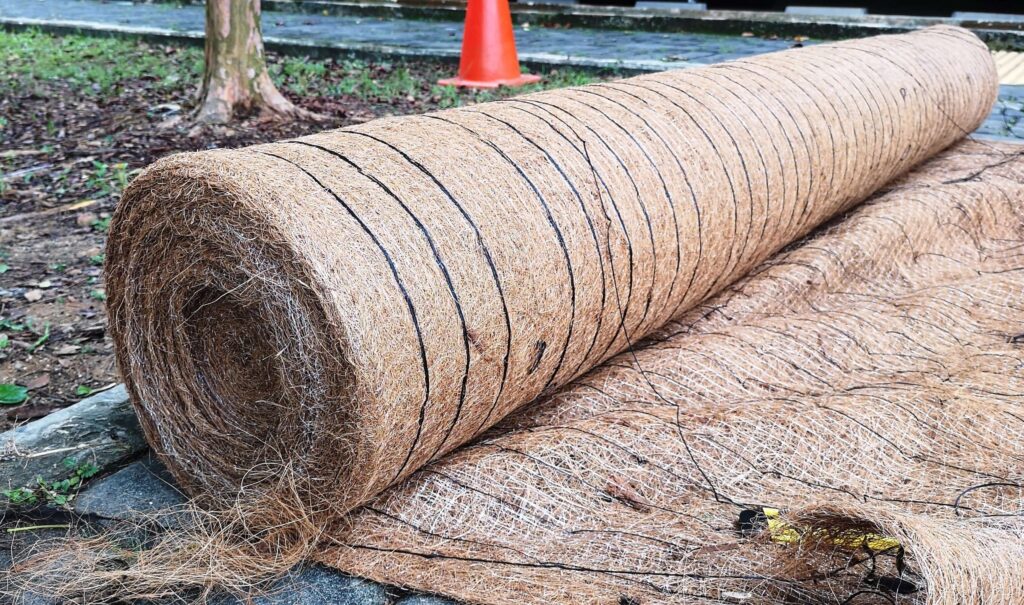
To answer the question what is coir blanket, it’s a biodegradable erosion control mat made from natural coconut fibers. These fibers come from the husk of coconuts — a renewable agricultural byproduct. The material is woven into thick, durable mats that are designed to protect soil surfaces from erosion caused by rain, wind, and surface runoff.
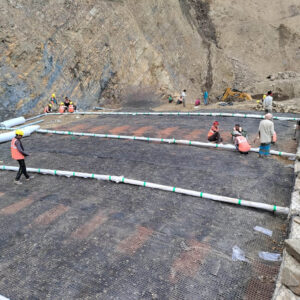
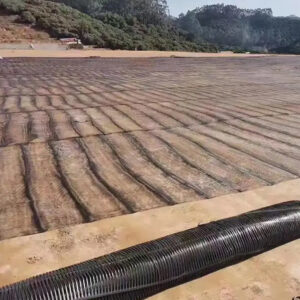
Coir blankets look like brown, fibrous mats and typically come in rolls that contractors unroll over slopes, riverbanks, or disturbed soil areas. Once installed, they hold the soil in place while allowing vegetation to grow through them. Over time, as plants establish strong root systems, the coir blanket gradually biodegrades and returns to the environment.
How Coir Blankets Work
Understanding what is coir blanket also means understanding its functional purpose. The engineering principle behind it is simple but effective: temporary soil protection until permanent vegetation takes over.
Here’s how it works:
1. Surface Protection
Coir fibers create a physical barrier that protects soil from splashing rainfall, erosion, and displacement.
2. Moisture Retention
The natural coconut fibers hold moisture, helping seeds germinate and grow faster — a crucial factor in slope vegetation projects.
3. Support for Root Development
The mat stabilizes the soil long enough for roots to anchor deeply, making long-term stabilization possible without synthetic reinforcement.
4. Gradual Biodegradation
As vegetation strengthens, the coir blanket slowly decomposes, eliminating the need for removal and reducing maintenance costs.
This natural cycle makes coir blankets both effective and environmentally responsible.
Why Coir Blankets Are Eco-Friendly
One big reason people want to know what is coir blanket is because the product has a strong reputation for being eco-friendly. But what exactly makes it environmentally superior to synthetic materials?
1. 100% Natural and Biodegradable
Coir comes directly from coconut husks. There are no plastics, chemicals, or toxins involved. Once the blanket completes its role, it decomposes into the soil naturally.
2. Renewable Resource
Coconuts are grown worldwide, especially in tropical regions. Their husks are often discarded as waste. Using coir blankets helps turn agricultural waste into valuable engineering material.
3. No Microplastic Pollution
Synthetic erosion control mats leave behind microplastics as they degrade. Coir blankets do not create any harmful residue.
4. Supports Natural Plant Growth
Because the blanket holds moisture and nutrients, it creates an environment that accelerates plant development, promoting healthy ecosystems.
5. Reduces Soil Disturbance
Coir mats eliminate the need for repeated soil repairs or synthetic replacements, reducing overall environmental impact.
For engineers working on environmentally sensitive sites, coir blankets often become the first choice.
Typical Applications of Coir Blankets
Once you understand what is coir blanket, the next step is knowing where it’s used. Coir erosion control products appear across many civil engineering and landscaping projects.
1. Slope Stabilization
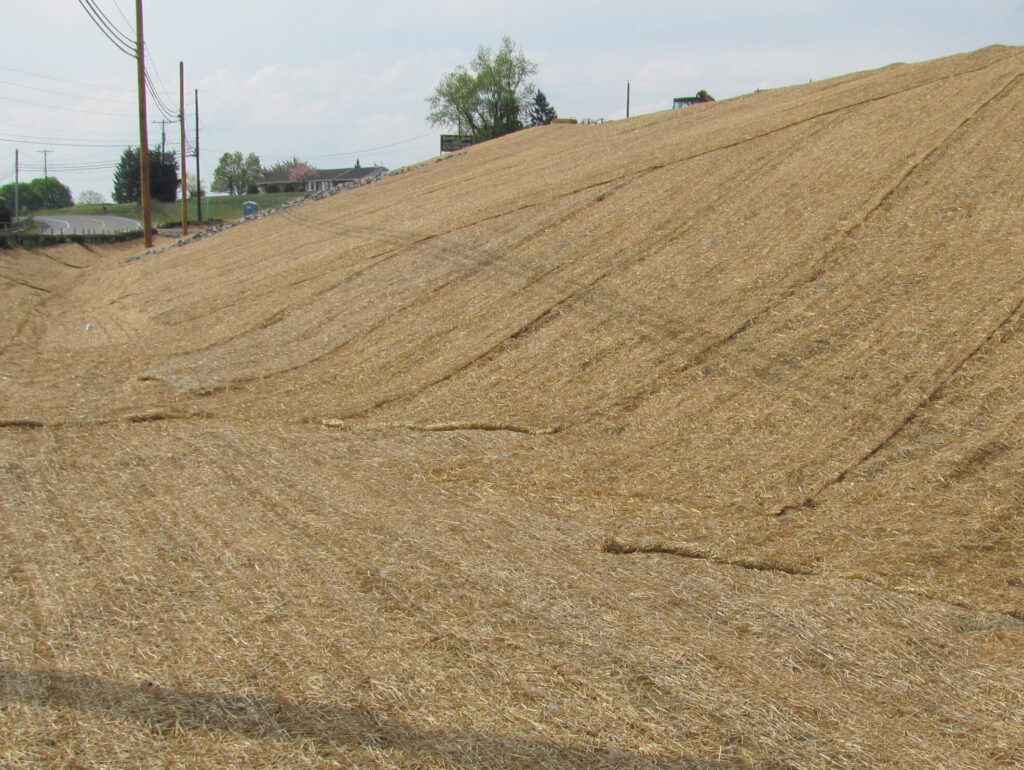
Coir blankets are one of the most popular solutions for stabilizing exposed slopes after construction, grading, or excavation work. They help prevent soil from sliding down the slope before vegetation roots take hold.
2. Riverbank and Lakeshore Protection
Strong water flow can wash away soil quickly. Coir blankets protect the bank while allowing native vegetation to grow through the mat.
3. Roadside Embankments
Highway shoulders, cut slopes, and drainage channels often require erosion control. Coir blankets provide a long-lasting, natural solution.
4. Land Reclamation
Mining areas, construction sites, or regions damaged by erosion rely on coir blankets to speed up natural recovery.
5. Forestry and Reforestation
Coir blankets help young trees and shrubs grow by protecting the soil around them and improving moisture retention.
6. Agricultural Projects
Farms use coir mats to protect embankments, irrigation channels, and exposed earth around crop areas.
7. Landscaping and Urban Green Projects
Parks, gardens, golf courses, and green spaces often incorporate coir blankets for temporary erosion control during planting.
Types of Coir Blankets
Though the concept is simple, coir blankets come in several grades based on thickness, density, and application requirements.
1. Light-Density Coir Blanket
Used for mild slopes and areas where vegetation establishes easily.
2. Medium-Density Coir Blanket
Suitable for moderate slopes and areas expecting stronger rainfall or runoff.
3. High-Density Coir Blanket
Designed for steep slopes, coastal protection, riverbanks, and heavy erosion zones.
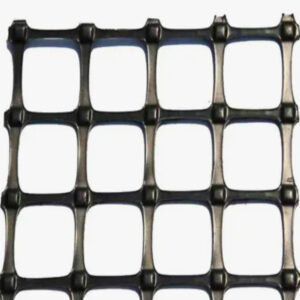
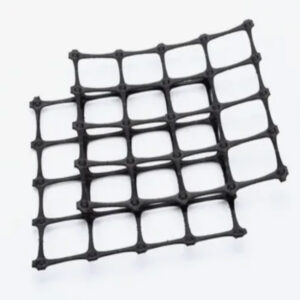
4. Coir Mesh or Netting
A more open structure used for vegetation support or as reinforcement on top of hydroseeding.
Each type has different service life ranges, usually between 2 to 5 years depending on thickness and environmental conditions.
How to Install a Coir Blanket
The installation process is straightforward and requires minimal equipment, which is another reason it’s so popular.
Step 1: Site Preparation
Smooth the soil surface and remove debris, rocks, or sharp objects.
Step 2: Seeding
Spread grass seed or apply hydroseeding mixture before placing the blanket.
Step 3: Unroll the Coir Blanket
Lay the blanket from the top of the slope downward. Overlap edges by 10–15 cm to prevent gaps.
Step 4: Secure With Staples or Wooden Pegs
Pins or biodegradable stakes hold the blanket firmly against the soil to prevent movement during rain or wind.
Step 5: Hydrate the Area
Once installed, irrigate regularly to speed up vegetation growth.
Thanks to its natural texture, coir blanket installation is forgiving and easily adaptable to uneven surfaces.
How Long Does a Coir Blanket Last?
Coir blankets typically last 2 to 5 years, depending on the density and environmental conditions. This lifespan is a major advantage:
- It’s long enough to allow permanent vegetation to develop.
- It’s short enough to biodegrade naturally without leaving waste.
This balance is one of the reasons engineers prefer coir blankets over synthetic erosion mats, which can either degrade too fast or remain in the environment for decades.
Performance Advantages of Coir Blankets
Here are the practical reasons coir blankets continue to grow in demand:
- Excellent tensile strength due to thick coconut fibers
- Longer lifespan than jute or straw blankets
- High water retention for seed germination
- Superior resistance to UV exposure
- Effective protection even on steep slopes
- Natural compatibility with plant roots and soil biology
By combining performance with sustainability, coir blankets check every box for modern erosion control needs.
Why Engineers and Environmental Experts Prefer Coir Blankets
Today’s construction and environmental industries prioritize durability, sustainability, and regulatory compliance. Coir blankets meet all three requirements effortlessly.
Professionals choose them because they are:
- Safe for wildlife and natural habitats
- Non-toxic and chemical-free
- Effective in promoting vegetation growth
- Compliant with environmental protection standards
- Suitable for protected areas, parks, wetlands, and reserves
In many environmentally sensitive projects, coir blankets are not just an option — they are often a requirement.
Conclusion
Now you have a clear understanding of what is coir blanket and why it’s widely recognized as an eco-friendly erosion control solution. Made from natural coconut fibers, it stabilizes soil, supports plant growth, and biodegrades naturally without harming the environment. Whether used on slopes, riverbanks, construction sites, or landscaping projects, coir blankets combine performance, sustainability, and simplicity in one effective product. Contact us now to get a quotation of coir blanket.