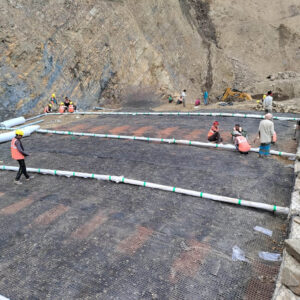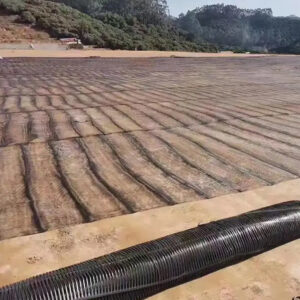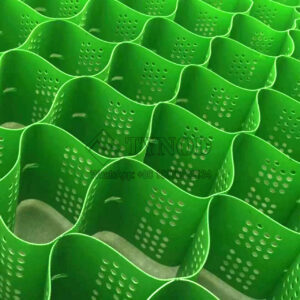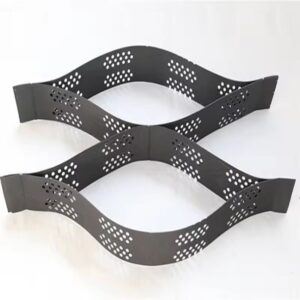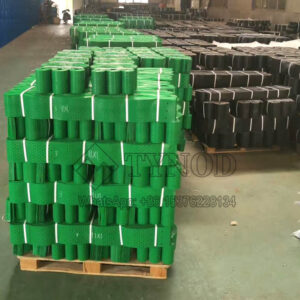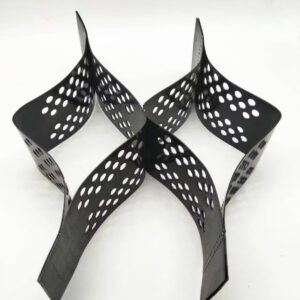
Understanding what is 3D geomat is essential for anyone working in slope protection, environmental engineering, road construction, or landscaping. This lightweight yet highly effective material has become one of the most reliable surface-erosion control solutions used worldwide. Its ability to stabilize soil, support vegetation growth, and resist runoff makes it popular across all types of civil engineering projects.
What Is 3D Geomat?
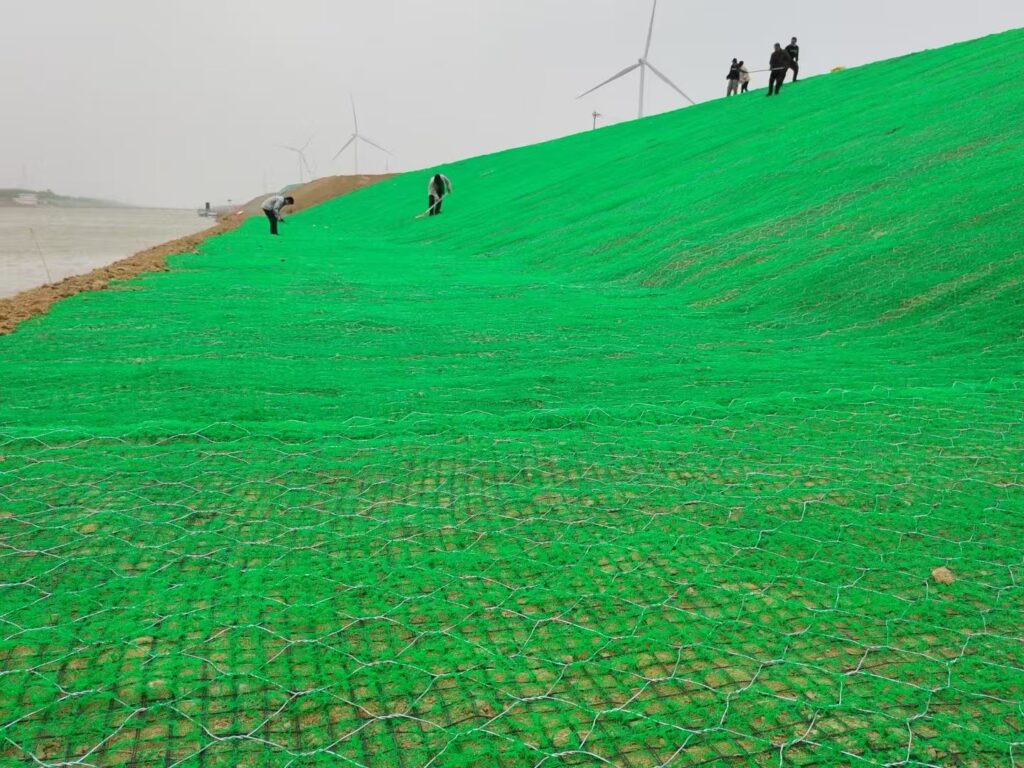
To put it simply, what is 3D geomat can be explained as a three-dimensional, polymer-based erosion control mat made from intertwined layers of synthetic fibers. These fibers form a flexible, porous, and dense structure that grips the soil surface and provides a protective framework for vegetation roots to grow through.
A 3D geomat is typically manufactured using UV-resistant polyethylene, giving it excellent durability under sunlight, rainfall, and extreme temperatures. When installed on slopes, riverbanks, ditches, or embankments, it locks the topsoil in place and protects it from washing away during heavy rain or surface runoff.
Think of it as a “green armor” that works with natural vegetation to keep soil stable.
Why 3D Geomat Has Become So Popular
Erosion control used to rely heavily on concrete structures, riprap, or thick vegetation layers. However, these methods are not always cost-efficient, environmentally friendly, or suitable for steep or newly formed slopes. The rise of 3D geomats has changed the game.
Engineers choose this material because it offers:
- Strong reinforcement for topsoil
- Long-term vegetation support
- Excellent water permeability
- Lightweight and easy installation
- UV resistance and long service life
- Lower cost compared to hard-scaping solutions
With environmental protection becoming a priority in modern projects, 3D geomats deliver both performance and sustainability.
How 3D Geomat Prevents Soil Erosion
Understanding what is 3D geomat is only the beginning. The real value lies in how it protects slopes and prevents soil loss. Here are the main mechanisms behind its performance.
1. Surface Protection Against Runoff
Bare soil on slopes is extremely vulnerable to rainfall impact and flowing water. When raindrops hit the ground at high speed, they break apart soil particles, which then get carried downhill.
A 3D geomat shields the soil surface like a protective blanket.
- It absorbs raindrop impact
- It reduces surface shear forces
- It slows down water velocity on the slope
This prevents the topsoil from becoming loose and reduces the risk of shallow erosion.
2. Root Reinforcement and Vegetation Support
One of the strongest advantages of 3D geomats is how they integrate with vegetation. The porous structure allows roots to grow through the mat, creating a strong interlocking system.
This root-geomat combination:
- Increases soil shear strength
- Improves slope stability
- Forms a long-term natural protective layer
Once vegetation becomes fully established, the slope becomes both stronger and more visually appealing.
3. Controlled Water Flow
Because 3D geomats are highly permeable, water can pass through them without causing turbulence. This protects the soil from being washed away while encouraging proper drainage.
Benefits include:
- Less surface runoff
- Reduced water pressure
- Lower risk of gullying
This makes geomats suitable for slopes exposed to heavy rainfall or seasonal storms.
4. Strong Anchorage on Steep Slopes
Geomat fibers grip the soil surface and create friction that stabilizes loose soil. This is especially helpful for slopes between 30° and 60°, where vegetation alone cannot control erosion.
By forming a reinforcement layer, geomats:
- Hold soil particles in place
- Prevent sliding
- Reduce slope failure risks
This makes them ideal for road embankments, landfills, and riverbanks.
5. Resistance to External Forces
The synthetic fibers have excellent tensile strength and UV resistance. Even under harsh exposure, the geomat maintains its structural integrity.
This ensures long-term erosion protection even before vegetation is fully grown.
Where 3D Geomats Are Commonly Used
Once you understand what is 3D geomat, it’s easy to see why it fits so many project types. Here are the most common applications:
1. Highway and Railway Slopes
Highway embankments, cut slopes, and railway shoulders often experience rapid runoff. Geomats create a stable vegetated layer that protects these areas from erosion.
2. Riverbanks and Lakesides
Flowing water can erode banks quickly. Geomats stabilize the soil and encourage vegetation to take root, improving long-term shoreline protection.
3. Drainage Channels and Ditches
Water flowing through drainage channels can carve into the soil. The geomat reduces flow velocity and keeps channel sides intact.
4. Landfills and Mining Sites
These locations often have disturbed soil and steep artificial slopes. Geomats offer fast stabilization and environmental rehabilitation.
5. Parks, Gardens, and Landscaping Projects
For aesthetic slopes or large green areas, geomats ensure stable vegetation growth and prevent surface erosion.
6. Agricultural Terraces
Farmers use geomats to keep soil in place on terraced fields, reducing losses during heavy rains.
How 3D Geomat Is Installed
Installation is straightforward, which is another reason engineers prefer geomats.
Step 1: Prepare the Slope
Smooth the surface, remove debris, and compact the soil lightly.
Step 2: Lay the Geomat
Unroll the geomat from the top of the slope downward. Ensure uniform contact with the soil.
Step 3: Anchor It
Use U-shaped pins or steel nails to secure the mat. Increase anchoring density in steep or high-flow areas.
Step 4: Fill with Topsoil
Spread a thin layer of fine soil over the geomat to fill the voids.
Step 5: Seed the Area
Apply grass seeds or plant vegetation through the mat.
Step 6: Water and Maintain
Keep the soil moist until vegetation is established.
After a few weeks, the roots begin intertwining with the mat, forming a reinforced layer that becomes even stronger over time.
Why Engineers Choose 3D Geomat Over Traditional Methods
Traditional erosion control methods like concrete, stone pitching, or turf reinforcement often require high budgets, heavy machinery, or long installation times. In comparison, 3D geomats offer several advantages:
- Lightweight and easy to transport
- No need for deep excavation
- Environmentally friendly
- More flexible and adaptable
- Lower cost
- Better long-term appearance
- Excellent performance with vegetation
Once vegetation grows, the geomat becomes nearly invisible while continuing to protect the slope.
Who Benefits the Most from Using 3D Geomats?
The versatility of 3D geomats makes them valuable for:
- Contractors working on road or railway construction
- Engineers designing stability for steep embankments
- Environmental agencies restoring damaged slopes
- Landscape architects creating green public spaces
- Municipalities managing drainage and public infrastructure
If your goal is erosion prevention combined with a natural green finish, geomats are one of the best options available.
Conclusion
Now you have a clear understanding of what is 3D geomat and how it works to prevent soil erosion. Its three-dimensional structure stabilizes topsoil, supports vegetation growth, regulates water flow, and protects slopes from runoff. Whether you’re dealing with highways, riverbanks, landscaping projects, or large embankments, a 3D geomat offers an efficient, eco-friendly, and long-lasting solution. Contact us now to get a quotation or solution of 3D geomat.