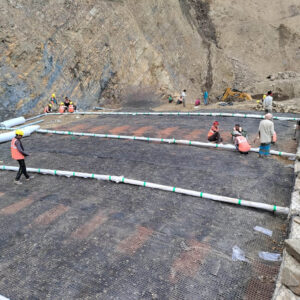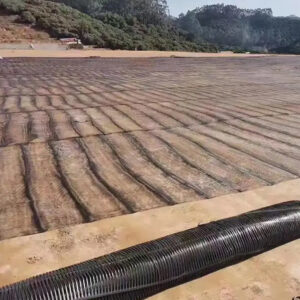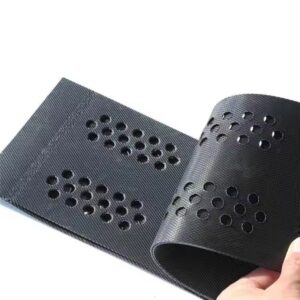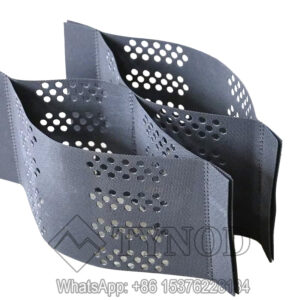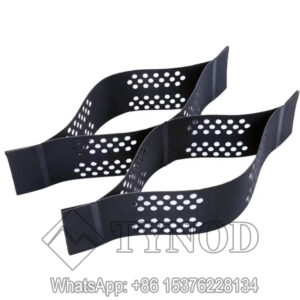
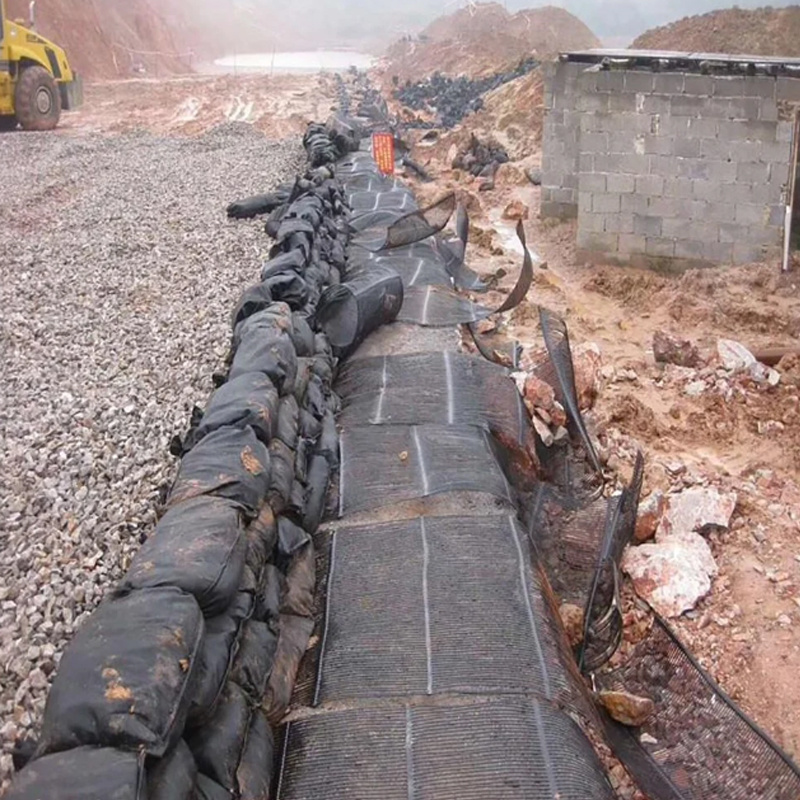
Geogrids are essential geosynthetic reinforcement materials used in engineered soil structures such as retaining walls, reinforced slopes, embankments, and other load-bearing civil works. Among uniaxial (UX) geogrids, products like UX60 vs UX80 geogrid represent different design strength levels that are optimized for varying engineering demands. 雅辉阁+1
Understanding the difference between UX60 and UX80 geogrid helps engineers, specifiers, and procurement managers choose the right product for project performance, safety, and cost-effectiveness.
🔍 What Is UX Geogrid?
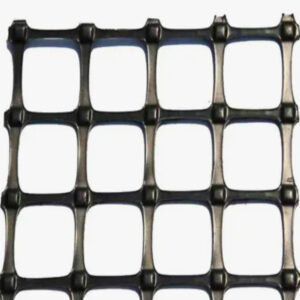
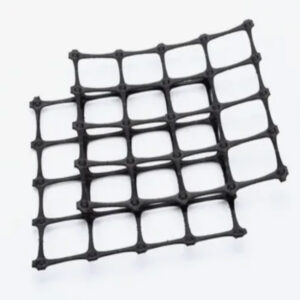
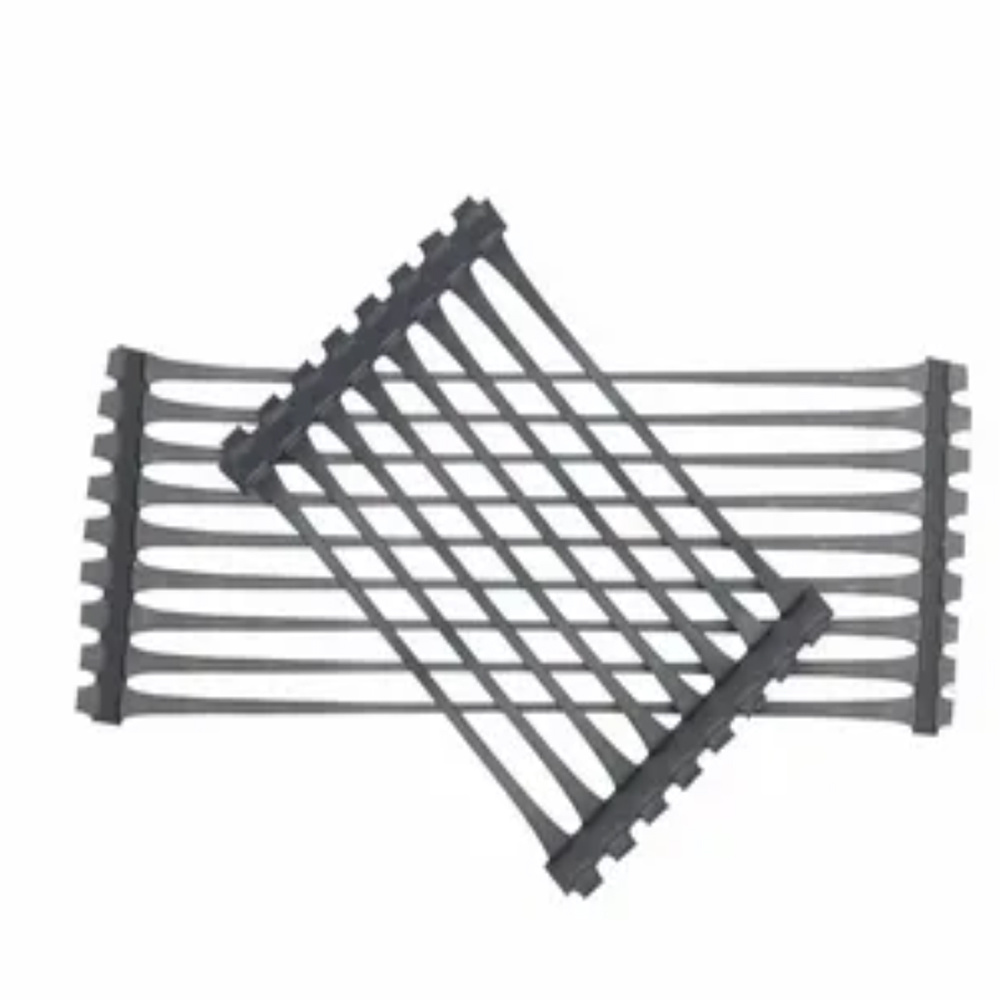
A UX geogrid is a uniaxial geogrid — a high-strength geosynthetic reinforcement typically manufactured from high-density polyethylene (HDPE). It is stretched longitudinally to provide maximum tensile resistance along one direction, making it ideal for soil reinforcement in structures where forces act primarily in one direction, such as retaining walls and steepened slopes. Tensar
The open grid structure interlocks with backfill soil or aggregate, mobilizing tensile strength and distributing load effectively. Geoworks
📊 Core Difference: Tensile Strength and Performance
The primary difference between UX60 and UX80 geogrid is the tensile strength rating, which directly influences load-bearing capacity and design suitability for particular applications.
⚙️ UX60 Geogrid
- Design Strength Category: Around 60 kN/m (kilonewtons per meter) in the machine direction (MD).
- Application Level: Suitable for moderate-load reinforcement tasks — lower wall heights, smaller embankments, and medium surcharge loads.
- Engineering Suitability: When design loads and required reinforcement strength are lower, UX60 provides adequate safety with cost efficiency. 健道路
⚙️ UX80 Geogrid
- Design Strength Category: Around 80 kN/m in the machine direction — approximately 33% stronger than UX60.
- Application Level: Better for higher load demands, taller walls, or structures needing a higher safety factor.
- Engineering Suitability: Preferred where design requires higher tensile capacity, long-term creep resistance, or greater pull-out resistance. 健道路
📈 Engineering Implications of Strength Difference
🧱 Load Capacity and Design Requirements
Because UX80 has higher tensile strength:
- It can support higher lateral earth pressures behind retaining walls.
- It improves resistance to surcharge loads (e.g., traffic, stored materials).
- It allows longer embedment lengths when required for stability.
Higher tensile capacity correlates with increased design safety margins in reinforced soil structures.
📐 Long-Term Performance and Creep Resistance
Both UX60 and UX80 geogrids are designed to resist creep deformation — the gradual elongation under sustained load. However, the higher strength of UX80 typically translates to a more robust long-term performance envelope under high load conditions, delaying tensile property loss and structural distortion over decades. Mountainland Supply Geo
🏗️ Typical Applications for UX60 vs UX80
✅ UX60 Geogrid Best Used For:
- Low to medium retaining walls
- Smaller slope reinforcement projects
- Light surcharge conditions
- Sites with moderate reinforcement demands
✅ UX80 Geogrid Best Used For:
- Medium to high retaining walls
- Heavy surcharge conditions (traffic loads, storage pads)
- Roads or embankments with demanding load transfer
- Structures requiring higher design safety factors
In summary, the higher tensile strength of UX80 makes it preferable where performance demands are elevated. Suitability ultimately depends on geotechnical design and project specifics.
⚙️ Technical Considerations in Specification
When choosing between UX60 and UX80, engineers also evaluate:
📌 Tensile Strength at Design Strain
Geogrid specifications (ASTM D6637, ISO standards) often show strength at short-term and long-term design strain levels (like 2% or 5%), which influence how the product mobilizes strength under load. 健道路
📌 Pull-Out Resistance
Bigger tensile capacity improves pull-out resistance, especially important in wall reinforcement where the grid must remain anchored under lateral soil pressure.
📌 Installation Conditions
Higher strength products like UX80 can be more tolerant to installation variances, but proper handling and compaction remain critical for performance.
🧩 Summary: UX60 vs UX80 Geogrid
| Feature | UX60 Geogrid | UX80 Geogrid |
|---|---|---|
| Approx. Tensile Strength | ~60 kN/m | ~80 kN/m |
| Load Capacity | Moderate | Higher |
| Best Application | Low to medium reinforcement | Higher load & taller structures |
| Long-Term Creep Resistance | Standard | Enhanced due to higher strength |
| Cost Efficiency | Better when strength requirements are lower | Optimal when higher performance needed |
📌 Final Recommendation
Selecting between UX60 and UX80 geogrid should always be governed by site-specific geotechnical design, including soil properties, wall height, external loads, and safety factors. In general:
✔ Use UX60 where design demands are moderate, and cost optimization is important.
✔ Specify UX80 where higher tensile performance increases structural stability and safety, especially for heavy loads or taller reinforced walls.