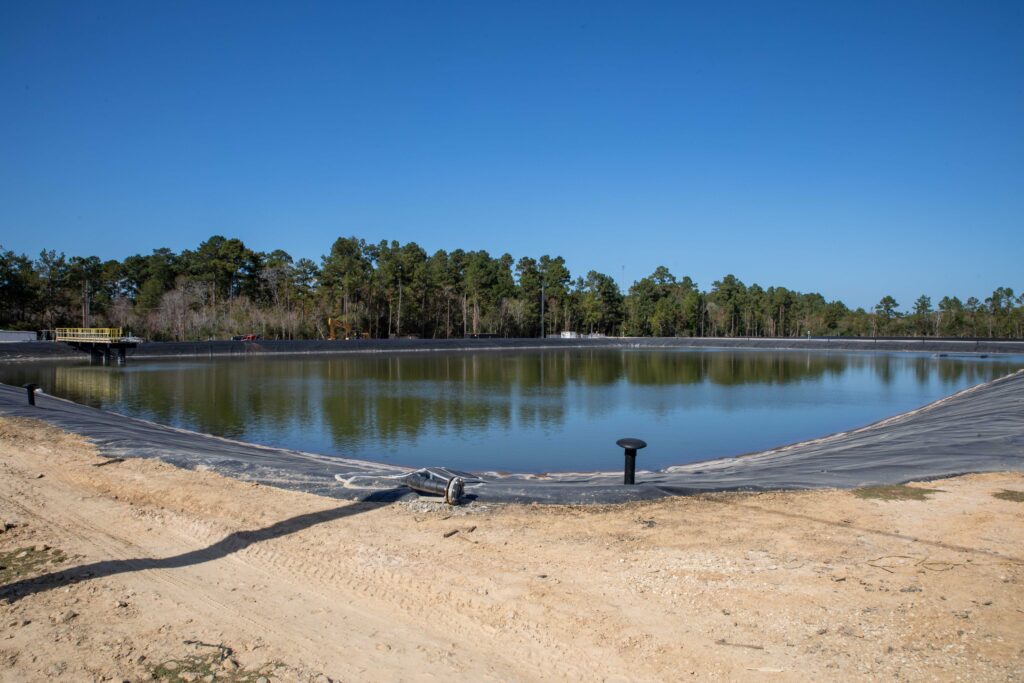
Choosing the right geomembrane is one of the most critical decisions in any waterproofing project. Whether you’re working on a landfill, a reservoir, a tunnel system, or an industrial containment area, the performance of the membrane determines how well the structure remains sealed against leakage. Understanding the Types of HDPE Geomembrane available—and knowing which one suits your application—helps you achieve long-lasting protection with fewer risks and lower maintenance costs.
HDPE geomembranes have become the global standard for waterproofing because they offer unmatched chemical resistance, UV stability, puncture strength, and long service life. But not all HDPE geomembranes are created equal. Different types are designed for different stress levels, environmental conditions, and project requirements.
This guide walks you through each major type, how they differ, and when you should use each one.
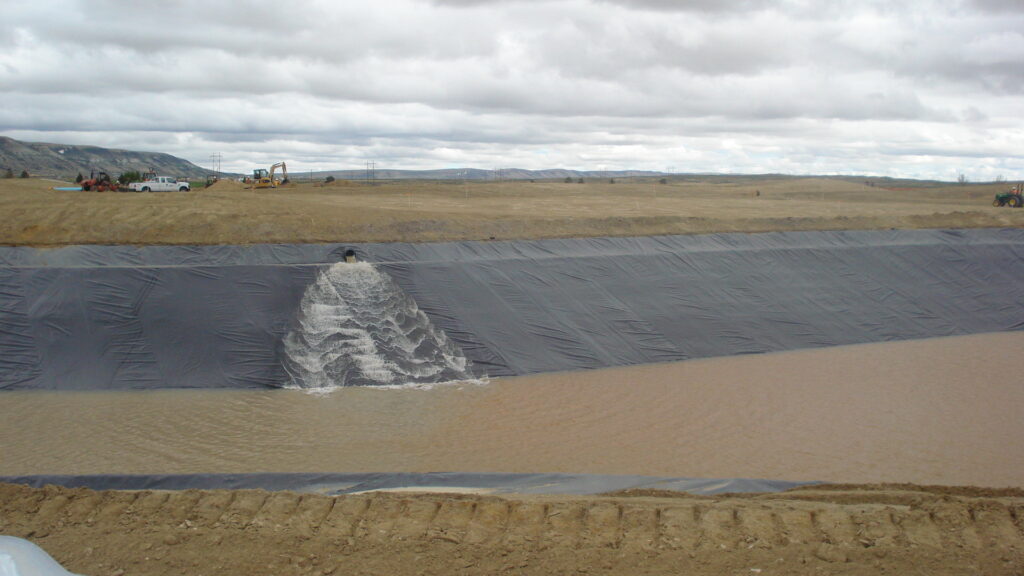
Why HDPE Geomembrane Is the Preferred Waterproofing Material
Before diving into the Types of HDPE Geomembrane, it’s important to understand why this material dominates the waterproofing industry.
HDPE (High-Density Polyethylene) combines toughness with flexibility, giving engineers a reliable barrier even in challenging environments. Its molecular structure resists chemicals, extreme temperatures, and prolonged UV exposure. It also maintains its integrity under pressure, making it ideal for containment systems.
Key Benefits:
- Exceptional waterproofing performance
- High tensile and puncture strength
- Long-term durability (up to 50+ years)
- Ability to withstand harsh chemicals
- Excellent UV and oxidation resistance
- Cost-effective compared to rubber or PVC membranes
Because of these properties, HDPE geomembrane is widely used in mining, agriculture, aquaculture, waste management, waterproofing basements, tunnel lining, canal sealing, and environmental engineering.
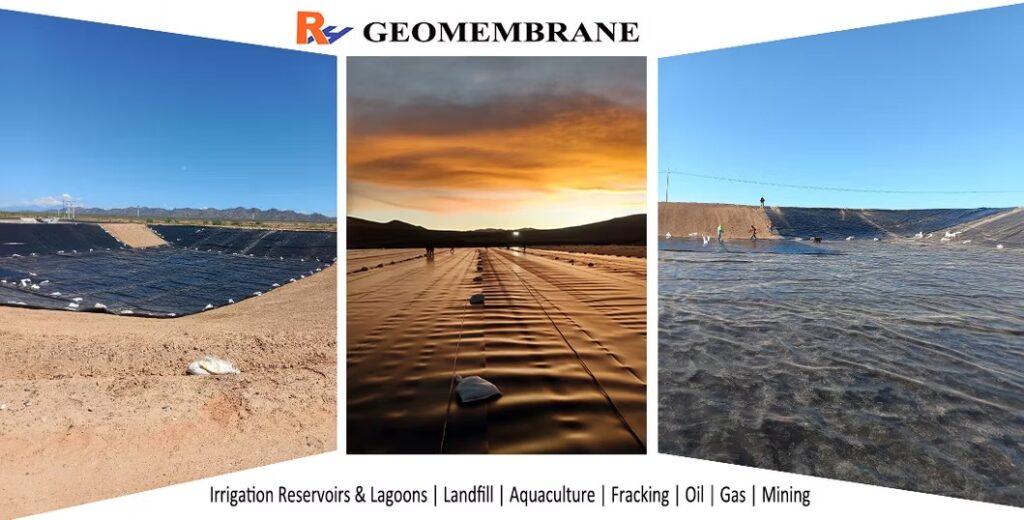
Main Types of HDPE Geomembrane
The Types of HDPE Geomembrane are classified mainly by surface texture, thickness, and performance characteristics. Each type serves a unique purpose in waterproofing, load support, and mechanical reinforcement.
Below are the major categories and where they are used.
1. Smooth HDPE Geomembrane
This is the most common type and typically the first choice for general waterproofing applications. Smooth geomembranes have a flat, even surface on both sides.
Features:
- High impermeability
- Easy welding and seaming
- Great chemical resistance
- Suitable for large-scale lining systems
Typical Thickness:
0.5mm, 0.75mm, 1.0mm, 1.5mm, 2.0mm
Best Uses:
- Landfill liners and caps
- Water reservoirs and ponds
- Fish and shrimp farming
- Wastewater treatment plants
- Industrial chemical containment
Smooth geomembranes are ideal when waterproofing is the main target and friction or soil movement is not a major concern.
2. Textured HDPE Geomembrane
Textured geomembranes have a roughened surface on one or both sides. This type is designed for projects that require increased frictional resistance—especially on slopes.
Features:
- Higher friction angle for steep slopes
- Better interface stability with soil or geotextile
- Improved structural performance
Two Sub-Types:
- Single-textured: Only one side textured
- Double-textured: Both sides textured
Best Uses:
- Landfill side slopes
- Embankments
- Mining heap leach pads
- Tunnels and underground structures
- Any project requiring higher anti-slip performance
Textured HDPE geomembrane is preferred when stability is critical.
3. Conductive HDPE Geomembrane
This type includes a conductive layer on the bottom surface, often made with carbon black. Conductive geomembranes are used for leak detection systems because they allow electrical spark testing.
Features:
- Easy detection of pinholes and installation defects
- Enhances quality assurance
- Compatible with electrical leak detection technologies
Best Uses:
- High-risk waterproofing
- Hazardous chemical containment
- Landfills
- Power plants and industrial reservoirs
It’s the ideal choice when a zero-leak installation is required.
4. Reinforced HDPE Geomembrane
Reinforced membranes include a geotextile, mesh, or fiber layer laminated between HDPE sheets. The reinforcement provides additional tear strength and dimension stability.
Features:
- Superior tear and puncture resistance
- Higher tensile strength
- Better crack propagation control
Best Uses:
- Oil and gas containment
- High-stress industrial applications
- Sites with heavy machinery movement
- Canal and tunnel waterproofing under pressure
Reinforced types are chosen for demanding environments where reliability is non-negotiable.
5. White Surface HDPE Geomembrane
White-colored geomembranes are used when heat management is important. The white coating reflects sunlight, reducing heat absorption and decreasing thermal expansion.
Features:
- Lower surface temperature
- Less stress from thermal expansion
- Reduced wrinkling during installation
Best Uses:
- Outdoor projects in hot climates
- Lining systems exposed to direct sunlight
- Reservoirs and canals
White geomembranes maintain performance even under intense solar exposure.
6. Colored HDPE Geomembranes (Green, Blue, etc.)
Colored variations are often used for aesthetic or project-specific visibility requirements. Green HDPE geomembrane is popular in landscape engineering.
Features:
- Blends with natural surroundings
- Suitable for architectural or landscaping projects
- Same waterproofing performance as standard HDPE
Best Uses:
- Decorative ponds
- Golf course lakes
- Artificial landscapes
They deliver functional waterproofing with visual harmony.
7. Very-High-Molecular-Weight HDPE (VHMW HDPE)
This is a premium-grade type designed for extreme durability and abrasion resistance.
Features:
- Exceptional mechanical strength
- Higher impact resistance
- Suitable for abrasive or high-load applications
Best Uses:
- Mining
- Salt storage pits
- Heavy-duty industrial containment
VHMW HDPE is one of the toughest geomembrane types available.
How to Choose the Best Type for Waterproofing
Selecting the right type depends on soil conditions, load requirements, fluid characteristics, installation environment, and long-term durability expectations.
Below is a quick guide:
For general waterproofing:
Smooth HDPE geomembrane (1.0mm–1.5mm)
For steep slopes or areas with sliding risk:
Double-textured HDPE geomembrane
For hazardous chemical containment:
Conductive HDPE geomembrane + smooth liner
For hot climates or exposed installations:
White-surfaced HDPE geomembrane
For heavy mechanical stress:
Reinforced or VHMW HDPE geomembrane
For aesthetic and landscaping projects:
Green or blue HDPE geomembrane
Thickness Recommendations by Application
Although the Types of HDPE Geomembrane vary, thickness selection is equally important:
- Ponds & aquaculture: 0.75mm – 1.0mm
- Reservoirs & canals: 1.0mm – 1.5mm
- Landfills: 1.5mm – 2.0mm
- Mining & industrial containment: 1.5mm – 2.0mm
- Basement waterproofing: 0.75mm – 1.0mm
Thicker membranes provide better puncture resistance but must match the project budget and design requirements.
Common Failures When the Wrong Type Is Chosen
Selecting the wrong geomembrane type can lead to:
- Sliding failure on slopes
- Wrinkling and thermal stress cracks
- Leakage due to punctures
- Chemical degradation
- Poor seam welding
- Premature aging
Understanding the Types of HDPE Geomembrane helps prevent these costly mistakes.
Why HDPE Geomembrane Is Growing in Global Demand
Across mining, construction, environmental engineering, and agriculture, demand for HDPE geomembranes continues to rise. This growth is driven by:
- Stricter environmental regulations
- Need for cost-effective waterproofing
- Increasing awareness of leak prevention
- Long service life compared to traditional materials
- High ROI for infrastructure owners
HDPE geomembrane has proven its value across decades of global use.
Conclusion
Knowing the Types of HDPE Geomembrane helps you choose the most effective waterproofing solution for your project. Smooth, textured, conductive, reinforced, white-surfaced, colored, and VHMW HDPE membranes each bring unique advantages to different applications. By selecting the right type and thickness, you ensure long-term performance, reliable waterproofing, and cost-efficient construction. Contact us now to get a quotation of HDPE geomembrane.