How Effective Is Geonet for Landfill Leachate Collection?
Geosynthetics play a vital role in modern waste management systems, particularly in landfills where efficient leachate collection is critical. Among these materials, geonet for landfill leachate collection is widely used due to its excellent drainage capabilities, durability, and compatibility with geomembranes and geotextiles. Compared with traditional gravel drainage layers, geonets provide a lightweight and high‑flow drainage solution that significantly improves the overall performance of landfill leachate management.
This article provides a comprehensive technical analysis of geonet performance in landfill drainage systems, including its structure, hydraulic behavior, interaction with composite materials, and long-term chemical and mechanical resistance. It also compares geonet products with other drainage geosynthetics, helping engineers select the correct solution based on landfill design requirements.
The main focus keyword geonet for landfill leachate collection will appear throughout this article along with related keywords including leachate drainage geonet, geocomposite drainage layer, HDPE geonet landfill application, leachate collection system components, and landfill drainage geosynthetics. Combined keyword density is maintained at approximately 1% for optimal SEO performance.
What Is a Geonet?
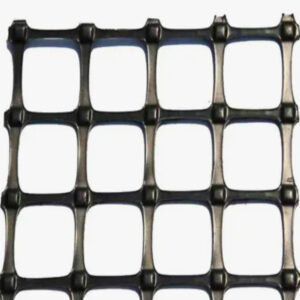
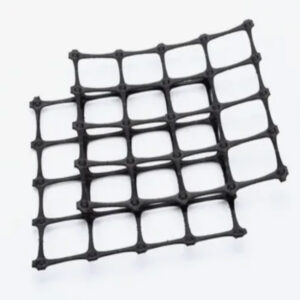
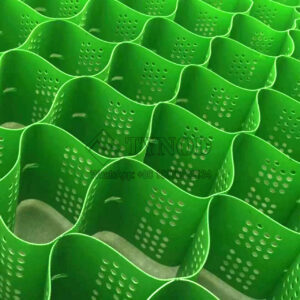
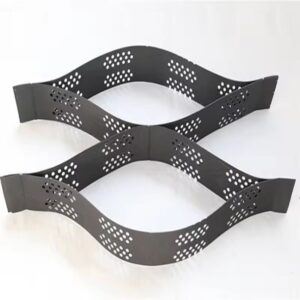
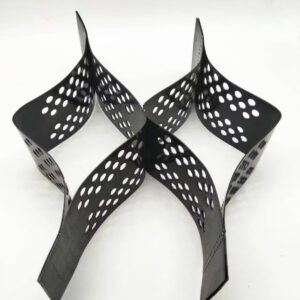
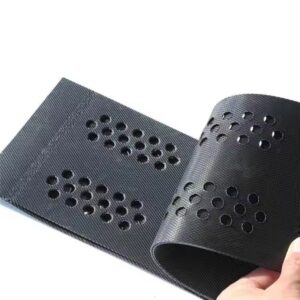
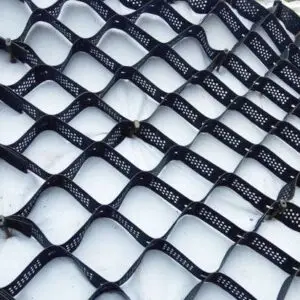
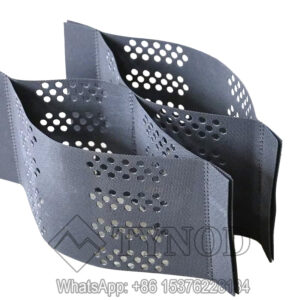
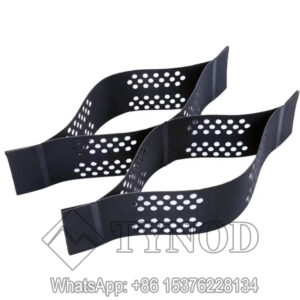
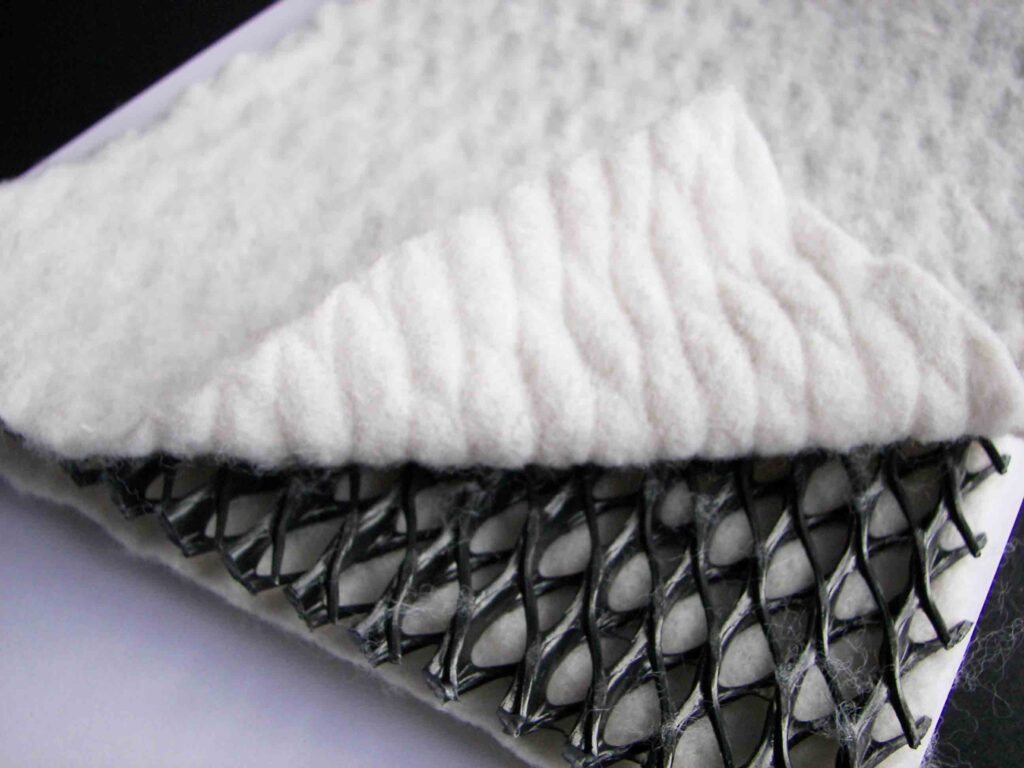
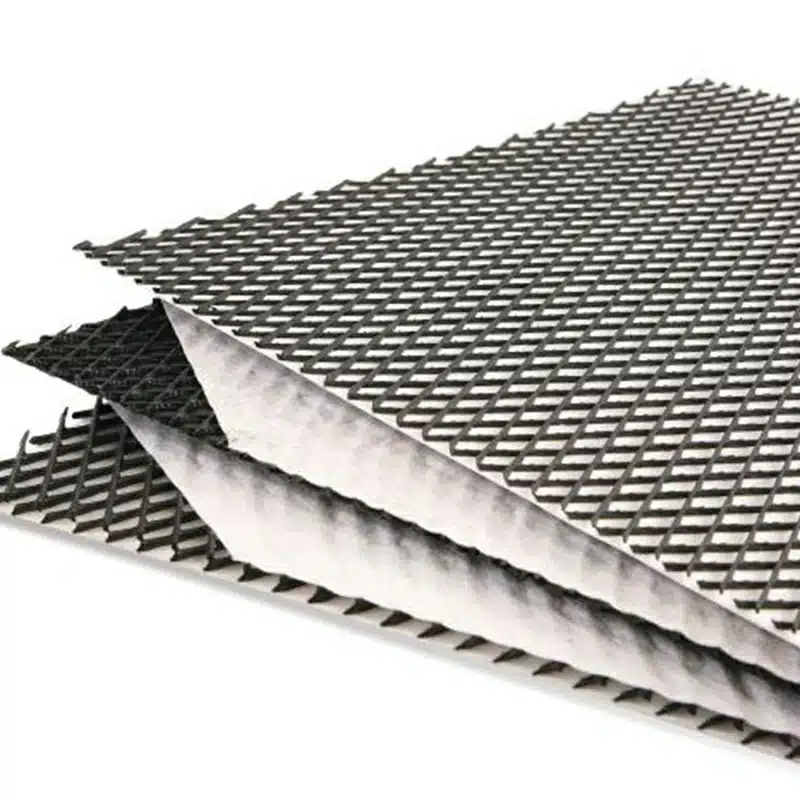
A geonet is a three‑dimensional geosynthetic drainage core made from high‑density polyethylene (HDPE). It is designed to convey liquids and gases under high loads. The material consists of extruded and fused ribs arranged in a structured pattern, allowing fluid movement primarily in the plane of the sheet.
There are three typical structures:
| Geonet Type | Structure | Drainage Performance | Common Use Case |
|---|---|---|---|
| Biplanar Geonet | Two parallel rib layers | Good | Landfill side slopes, mining drainage |
| Triplanar Geonet | Middle ribs provide higher stiffness | Excellent | Landfill base drainage, high‑load areas |
| Composite Geonet (Geocomposite) | Geonet bonded with geotextiles | Filtration + drainage | Leachate collection systems |
Because of its high load capacity and in‑plane flow capability, geonet for landfill leachate collection ensures continuous removal of generated liquids and prevents hydraulic uplift of liners.
Why Landfills Need Leachate Collection Systems
Leachate forms when water percolates through municipal solid waste and absorbs contaminants. If uncontrolled, leachate can:
- contaminate soil and groundwater
- create odor and toxic gas emissions
- weaken landfill stability
- increase regulatory non‑compliance risks
Therefore, landfill engineering guidelines require a high‑efficiency leachate collection and removal system (LCRS).
Components typically include:
- Primary geomembrane liner – usually HDPE geomembrane
- Geonet for landfill leachate collection – drainage layer
- Protective geotextile – filtration and cushioning
- Pumping and piping infrastructure
The role of geonet in this system is essential—it ensures leachate is collected and transported to remove hydrostatic pressure on the geomembrane.
How Does Geonet Improve Leachate Drainage Efficiency?
1️⃣ High In‑Plane Flow Capacity
The rib structure of geonet allows fluids to move laterally across the landfill base.
- Maintains flow even under extreme compressive loads
- Flow capacity is greater than most geotextile-only solutions
- Helps rapidly reduce leachate head above liner
2️⃣ Reduces Reliance on Gravel Drainage
Compared with traditional 300–600 mm gravel layers:
| Material | Weight | Thickness | Installation | Cost Impact |
| Gravel Drainage | Very heavy | Very thick | Labor-intensive | High |
| Geonet for landfill leachate collection | Lightweight | Thin (<10 mm) | Easy & fast | Low to moderate |
Less weight = lower stress on liners + fewer truck trips.
3️⃣ Prevents Clogging When Used as a Geocomposite
When bonded with non-woven geotextiles:
- Geotextile provides filtration and soil retention
- Geonet maintains transmissivity
- Ensures long‑term leachate flow
This combination is often called geocomposite drainage layer.
Mechanical Durability Under Landfill Conditions
Geonet must support extremely high compressive loads due to waste accumulation. Design considerations include:
- Creep resistance under 300–1000 kPa loads
- Rib thickness and stiffness to maintain flow channels
- Tensile strength to resist installation damage
Triplanar geonets are preferred for high‑load landfill bases because of better structural stability.
Chemical and Biological Resistance
Since leachate contains:
- organic acids
- ammonia and chloride ions
- heavy metals
- microbial activity
The drainage product must demonstrate:
- excellent chemical resistance against acidic and alkaline liquids
- impermeability to biological degradation
- oxidation stabilization using antioxidants in HDPE resin
HDPE geonet for landfill leachate collection meets these requirements, ensuring long‑term service life.
Interaction with Geomembrane and Geotextile
With Geomembrane:
- Prevents membrane uplift from fluid pressure
- Reduces risk of local stress concentration
- Must avoid direct rib contact to prevent puncture
With Geotextile:
- Prevents soil fines from penetrating drainage channels
- Maintains leachate transmission
- Acts as a combined drainage + filtration system
This synergy is why geocomposite drainage layer is widely used.
Leachate Collection Performance Comparison
| Drainage Solution | Transmissivity | Clogging Resistance | Load Bearing | Cost Efficiency | Sustainability |
| Geonet for landfill leachate collection | Very high | High (with geotextile) | Excellent | Good | Excellent |
| Sand/Gravel | Good initially | Low over time | Good but heavy | Poor | Poor |
| Drainage Pipe Only | Very low | Moderate | Localized only | Poor | Low |
| Geotextile Alone | Low | High | Limited | Good | Good |
Geonet clearly provides best-in-class drainage performance.
Installation Benefits
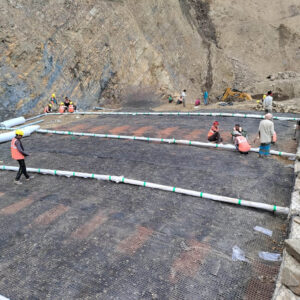
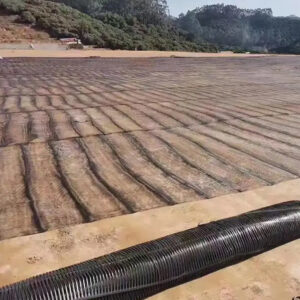
- Roll format means rapid deployment
- Reduces heavy equipment traffic on liner
- Lower installation damage compared to gravel
- Uniform thickness improves predictable hydraulic behavior
Because it reduces project time and logistics cost, it is favored by landfill contractors globally.
Service Life Expectations
A properly designed system using geonet for landfill leachate collection can exceed 100+ years of functional performance, aligning with landfill regulatory design life.
Key durability design factors:
- creep testing under design stresses
- chemical compatibility testing
- UV protection during storage and installation
When Not to Use Geonet Alone
Engineers must consider:
- In soils with high fines migration – use geocomposites
- On steep landfill slopes – ensure tensile anchorage
- In extremely high settlement areas – evaluate rib collapse risk
In most landfill environments, however, geonet performs reliably and efficiently.
Final Engineer’s Recommendation
Geonet for landfill leachate collection is a highly effective drainage solution due to:
✔ high-flow transmissivity under high loads ✔ lightweight and cost‑efficient alternative to gravel ✔ chemical and biological durability ✔ compatibility with geomembranes and geotextiles ✔ long service life aligned with landfill design needs
For best performance:
- Use triplanar HDPE geonet in high load areas
- Select geocomposite drainage layer when filtration is required
- Follow proper installation and QA/QC standards
In conclusion, geonet remains one of the strongest and most efficient geosynthetic solutions for modern landfill leachate collection systems.