
Drainage Mat Systems for Efficient Subsurface Water Management
Lorem ipsum dolor sit amet, consectetur adipiscing elit. Ut elit tellus, luctus nec ullamcorper mattis, pulvinar dapibus leo.
Lorem ipsum dolor sit amet, consectetur adipiscing elit. Ut elit tellus, luctus nec ullamcorper mattis, pulvinar dapibus leo.
High-performance composite drainage mats engineered for roofs, tunnels, retaining walls, landfills, and foundation protection.
What Is a Drainage Mat?
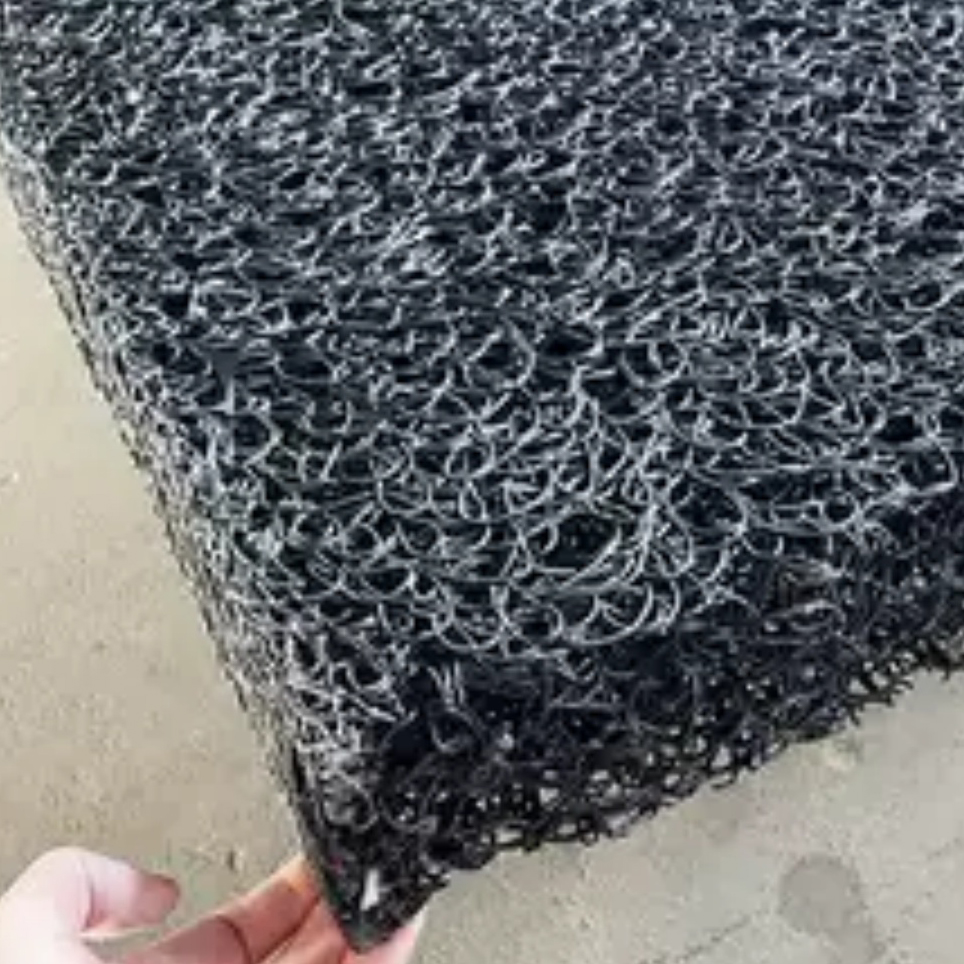
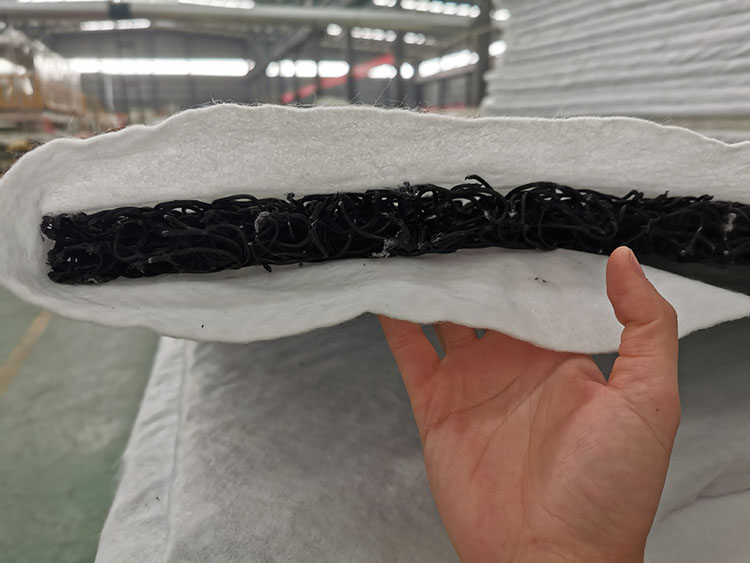
A drainage mat, also called a drainboard or drainage composite, is a multi-layer system consisting of a dimpled HDPE drainage core, bonded with filter geotextile. It creates rapid vertical and horizontal water drainage channels while preventing soil clogging.
Drainage mats are widely used in waterproofing systems to relieve hydrostatic pressure, protect structural foundations, and ensure long-term subsurface drainage performance.
They are ideal for basement walls, tunnels, green roofs, retaining structures, and landfills where efficient water discharge is essential.
Key Advantages of Drainage Mat Systems
Drainage mat systems offer a highly effective solution for managing subsurface and surface water around buildings and infrastructure works. Their unique structure—typically composed of a high–strength core combined with geotextile filter layers—ensures consistent hydraulic performance even in challenging environmental conditions. The advantages below highlight why drainage mats are widely used in waterproofing, green roofs, retaining walls, tunnels, and foundation protection projects.
high drainage capacity under compressive loads
The three-dimensional core structure forms continuous drainage channels that allow water to flow freely, even when the mat is installed under soil, concrete, or other heavy overburden materials. This ensures reliable and efficient water discharge, reducing the risk of water accumulation that can lead to structural damage over time.
protect waterproofing membranes from damage
The mat acts as a cushioning and protective layer, preventing punctures, tears, and abrasion caused by soil particles, backfilling equipment, or construction activities. This significantly extends the lifespan of waterproofing systems and enhances the overall durability of building structures.
elieve hydrostatic pressure and prevent seepage
When water collects behind retaining structures or building envelopes, hydrostatic pressure increases, which can cause leakage, cracking, or structural instability. Drainage mats help eliminate trapped water and reduce stress on supporting structures, providing a safer and more stable environment.。
lightweight and easy to install
reducing labor and transportation costs compared with traditional drainage materials such as crushed stone. Their flexible roll form allows for quick positioning and fastening, even on vertical or irregular surfaces, helping contractors improve installation efficiency and save project time.
resistant to chemical and biological degradation
making them suitable for a wide range of environmental conditions. They perform well in acidic, alkaline, or contaminated soils and are not affected by mold, bacteria, or microorganisms. This ensures long-term functionality in areas where durability and environmental resistance are critical.
long-term dimensional stability
maintaining their structure and drainage channels throughout their service life. They are engineered to resist creep, compression fatigue, and physical aging, ensuring the system’s performance remains consistent even after many years of use.
Applications of Drainage Mats
Basement & Foundation Walls
Drainage mats are widely used in various civil and structural engineering projects where efficient water management and waterproofing protection are required. they prevent water penetration and reduce the risk of waterproofing system failure by quickly diverting groundwater away from the structure, ensuring safe and dry indoor environments.
Tunnels & Subway Systems
Drainage mats provide fast and continuous water discharge to minimize hydrostatic pressure acting on underground structures. This not only enhances structural durability but also improves operational safety in transportation infrastructure.
Green Roofs & Planter Boxes
Drainage mats help achieve balanced moisture conditions by allowing excess water to escape while retaining necessary moisture for plant growth. They also protect the root barrier and waterproof layers from mechanical damage.
Retaining Walls & Slope Protection
The system effectively controls seepage and prevents water buildup behind soil structures, thereby contributing to long-term stability and preventing erosion or slippage.
Landfill & Environmental Works
Drainage mats are often used together with geomembranes to collect and channel leachate. This ensures proper environmental protection and compliance with waste management standards.
Drainage Mat Technical Specifications
| Property | Range / Typical Value |
|---|---|
| Core Material | HDPE |
| Thickness | 6–20 mm |
| Compressive Strength | 100–500 kPa |
| Flow Rate | ≥ 3.0 L/(m·s) |
| Tensile Strength (Geotextile) | 8–25 kN/m |
| AOS (Geotextile) | 0.075–0.30 mm |
| Chemical Resistance | Excellent |
| Service Life | 25–50 years |
FAQ
1. Can drainage mats be used underground permanently?
Yes. HDPE materials offer long-term durability and chemical resistance.
2. How do I choose the thickness of drainage mat?
Depends on expected load and required drainage capacity. We provide recommendations.
3. Do drainage mats replace waterproofing?
No. They protect waterproof layers and improve drainage efficiency.