Uncategoried-EN

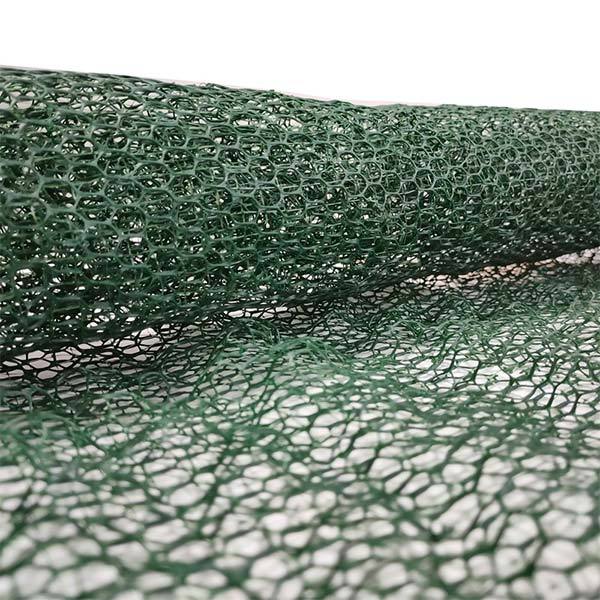
Tipo de geomanto Discover which type of geomat works best for riverbank stabilization. Compare 3D geomat, reinforced geomat, and biodegradable erosion control mats for long-term riverbank protection.

Which Type of Geomat Works Best for Riverbank Stabilization?

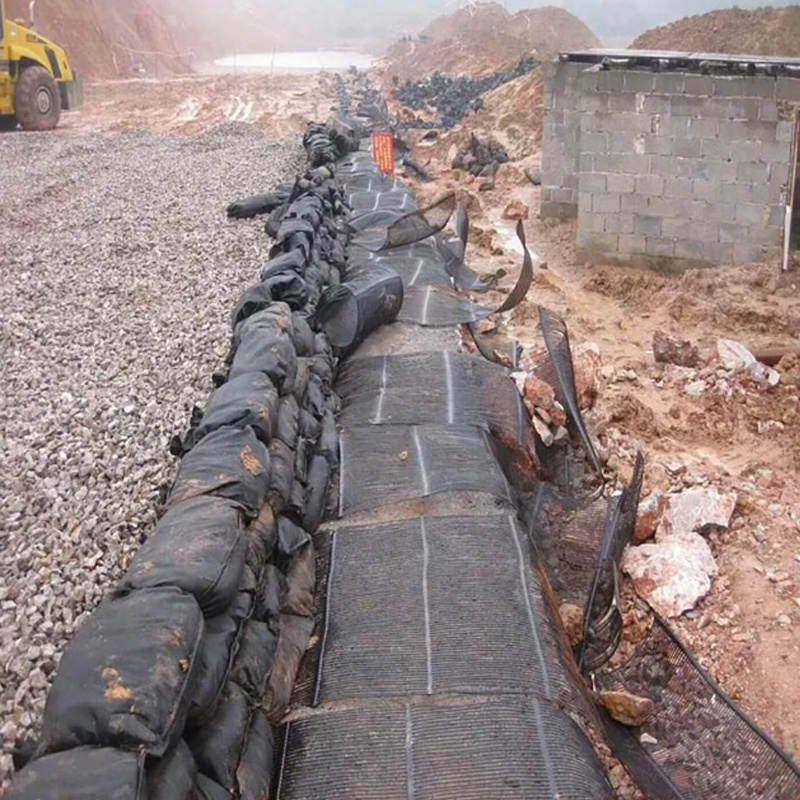
Riverbank erosion is a persistent challenge in hydraulic engineering and environmental protection projects. Flowing water, fluctuating water levels, rainfall runoff, and wave action gradually weaken soil structure, leading to slope failure, sedimentation, and infrastructure damage. Among modern erosion control solutions, geomat has become one of the most efficient and economical options for riverbank stabilization. However, […]

Which Type of Geomat Works Best for Riverbank Stabilization? Read More »
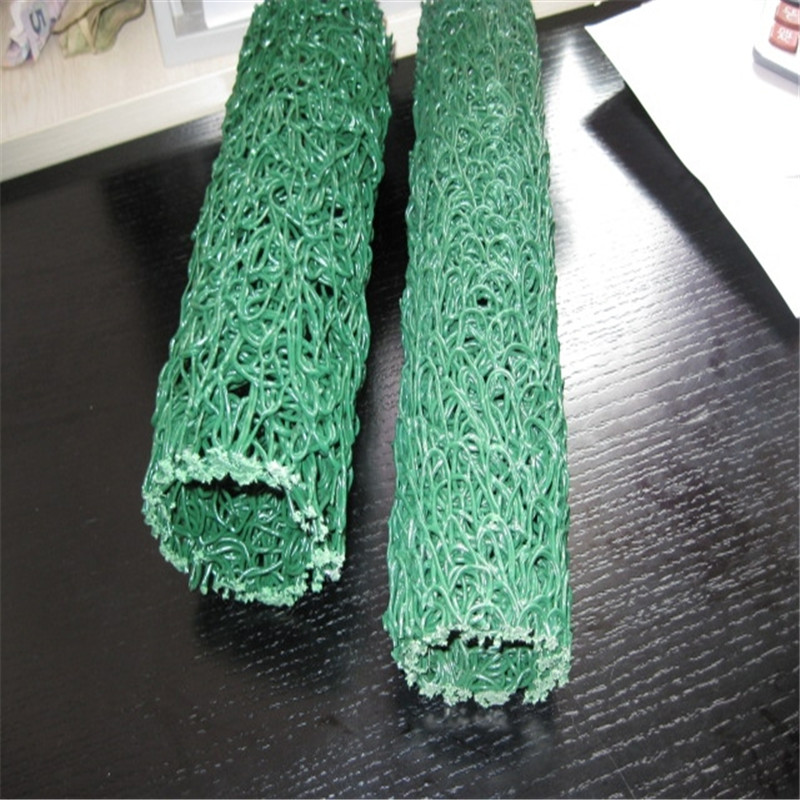
Geonet vs Drain Pipe

Geonet vs Drain Pipe: Is HDPE Geonet Better Than Traditional Drain Pipes for Modern Drainage Systems?

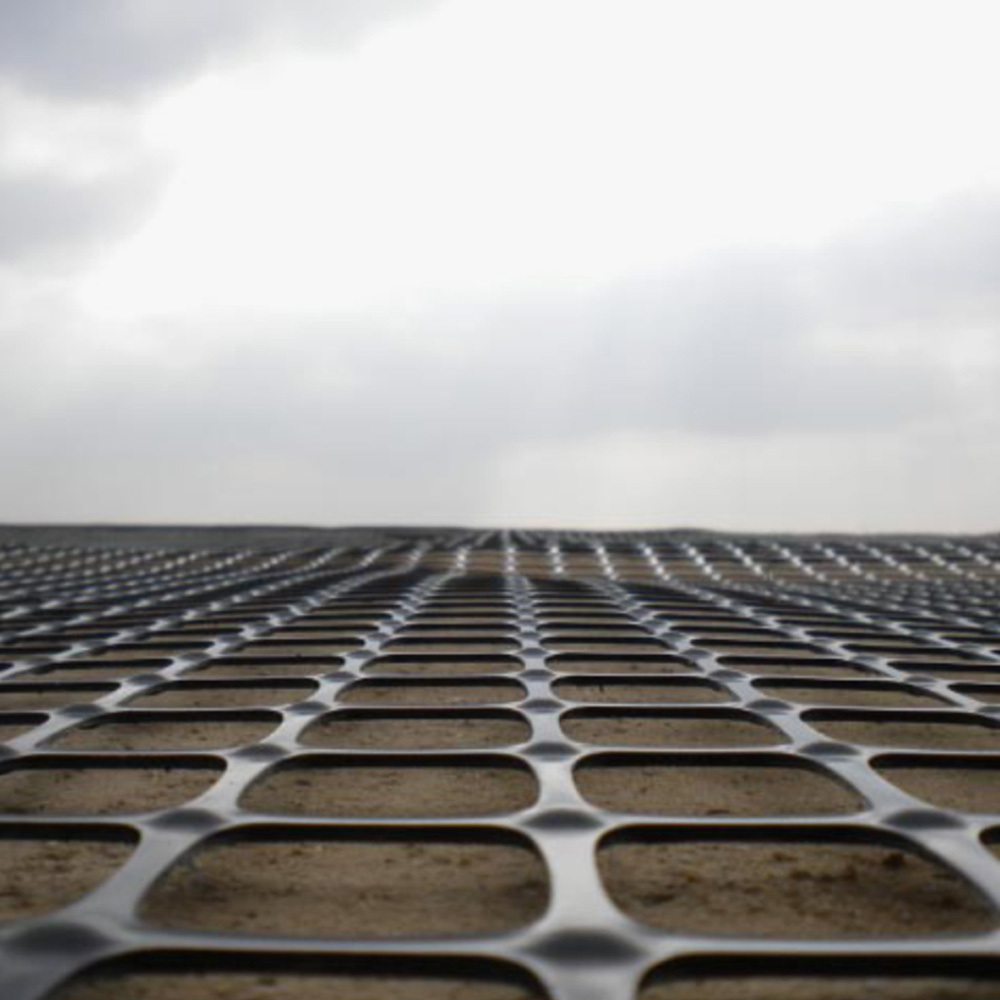
Effective drainage design is critical in infrastructure projects. Whether managing groundwater in highways, controlling leachate in landfills, or relieving hydrostatic pressure behind retaining walls, selecting the right drainage material directly impacts long-term performance. One of the most common engineering debates today is geonet vs drain pipe. Traditional perforated drain pipes have been used for decades,

Geonet vs Drain Pipe: Is HDPE Geonet Better Than Traditional Drain Pipes for Modern Drainage Systems? Read More »

Non-Woven Geotextile for Drainage Systems

Non-Woven Geotextile for Drainage Systems: Performance, Design Considerations, and Engineering Applications

Effective drainage is fundamental to the long-term performance of roads, retaining walls, landfills, landscaping systems, and civil infrastructure. Poor drainage leads to hydrostatic pressure buildup, soil instability, pavement failure, and structural damage. For this reason, engineers increasingly rely on non-woven geotextile for drainage systems as a reliable filtration and separation solution. This article provides a

Non-Woven Geotextile for Drainage Systems: Performance, Design Considerations, and Engineering Applications Read More »

1.5mm Geomembrane Performance in Mining

How Does 1.5mm Geomembrane Performance in Mining Projects Compare?

Mining environments are among the most demanding applications for geomembrane liners. Exposure to aggressive chemicals, high loads, sharp aggregates, and extreme weather conditions requires a liner system that delivers durability, chemical resistance, and structural reliability. Among commonly specified thicknesses, 1.5mm geomembrane is widely used in heap leach pads, tailings storage facilities, evaporation ponds, and process

How Does 1.5mm Geomembrane Performance in Mining Projects Compare? Read More »

What Is the Difference Between 30-200 and 40-200 Composite Geogrid?

What Is the Difference Between 30-200 and 40-200 Composite Geogrid?

Composite geogrids are widely used in pavement reinforcement, subgrade stabilization, and asphalt overlay systems. Among commonly specified models, 30-200 composite geogrid and 40-200 composite geogrid are frequently compared in road and railway projects. Understanding the difference between 30-200 and 40-200 composite geogrid is essential for selecting the correct reinforcement level based on traffic load, pavement

What Is the Difference Between 30-200 and 40-200 Composite Geogrid? Read More »

How Does Geogrid Improve Asphalt Fatigue Resistance? Mechanisms, Design Principles, and Pavement Performance

How Does Geogrid Improve Asphalt Fatigue Resistance? Mechanisms, Design Principles, and Pavement Performance

How Does Geogrid Improve Asphalt Fatigue Resistance? Asphalt pavements are subjected to millions of repeated traffic load cycles during their service life. One of the most critical failure modes under these cyclic loads is fatigue cracking, which gradually weakens the asphalt layer and leads to structural failure. Improving asphalt fatigue resistance is therefore a primary

How Does Geogrid Improve Asphalt Fatigue Resistance? Mechanisms, Design Principles, and Pavement Performance Read More »

Uniaxial Geogrid Reinforced Soil Wall Design

Uniaxial Geogrid Reinforced Soil Wall Design: Complete Engineering Guide for Analysis, Design, and Construction

Reinforced soil walls have become one of the most widely adopted retaining solutions in modern civil engineering due to their structural efficiency, economic advantage, constructability, and seismic resilience. Among various reinforcement types, uniaxial geogrids are specifically engineered to resist horizontal earth pressures, making them the preferred reinforcement for retaining walls and steep reinforced slopes. This

Uniaxial Geogrid Reinforced Soil Wall Design: Complete Engineering Guide for Analysis, Design, and Construction Read More »

triaxial geogrid vs biaxial geogrid

When Should Triaxial Geogrid Be Used Instead of Biaxial Geogrid in Road Construction?

Geogrids are widely used in pavement and ground reinforcement to improve load distribution, reduce rutting, and extend service life. Among the most common options are biaxial geogrids vs triaxial geogrids. While both improve pavement performance, they function differently and are not interchangeable in all situations. A frequent engineering question is:When should triaxial geogrid be used

When Should Triaxial Geogrid Be Used Instead of Biaxial Geogrid in Road Construction? Read More »

geocell vs geogrid for load support

Is Geocell vs Geogrid for Load Support the Better Choice for Roads and Ground Reinforcement?

In civil engineering and infrastructure construction, load support and ground reinforcement are critical design considerations. Poor load distribution can lead to rutting, settlement, cracking, and premature structural failure. To address these challenges, engineers frequently rely on geosynthetics—particularly geocells and geogrids. A common engineering question is:Is geocell better than geogrid for load support? The answer depends

Is Geocell vs Geogrid for Load Support the Better Choice for Roads and Ground Reinforcement? Read More »

How Does Cement Blanket vs Traditional Concrete Compare in Construction Efficiency and Performance?

How Does Cement Blanket vs Traditional Concrete Compare in Construction Efficiency and Performance?

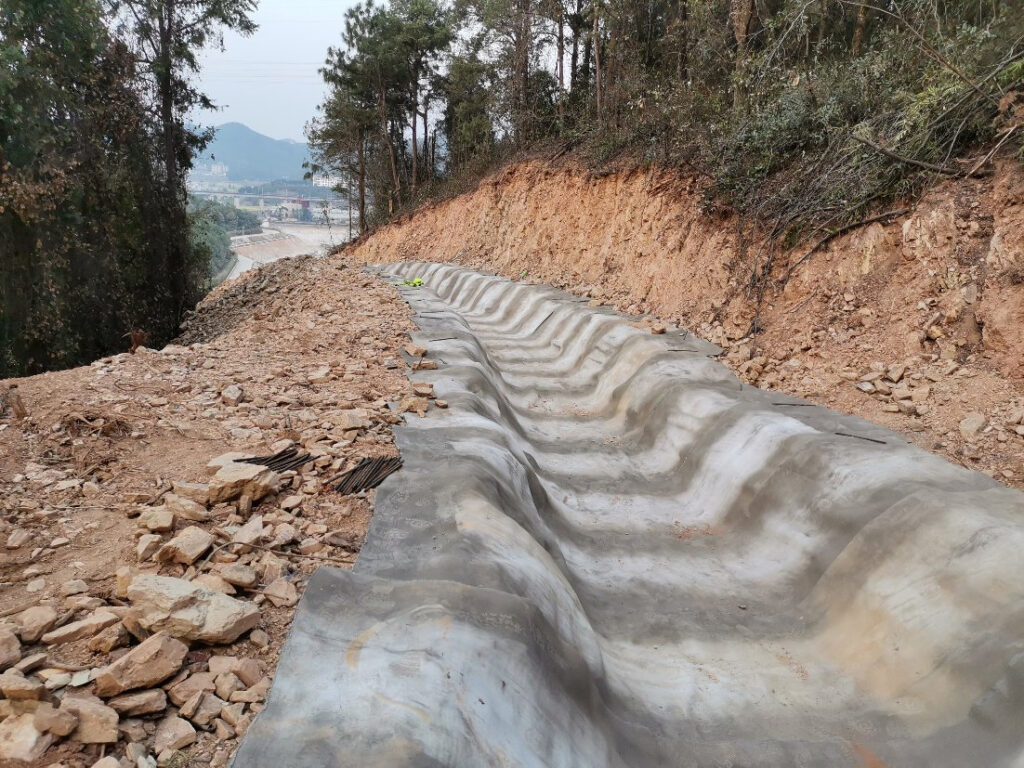
In modern civil engineering and infrastructure construction, speed, efficiency, and cost control are increasingly critical. While traditional poured concrete has long been the standard solution for lining, slope protection, and structural surfaces, cement blankets (also known as concrete canvas or concrete cloth) have emerged as an innovative alternative. This article provides a detailed comparison of

How Does Cement Blanket vs Traditional Concrete Compare in Construction Efficiency and Performance? Read More »