Effective drainage design is critical in infrastructure projects. Whether managing groundwater in highways, controlling leachate in landfills, or relieving hydrostatic pressure behind retaining walls, selecting the right drainage material directly impacts long-term performance.
One of the most common engineering debates today is geonet vs drain pipe. Traditional perforated drain pipes have been used for decades, but HDPE geonet has emerged as a modern alternative in many drainage systems.
So, is HDPE geonet better than traditional drain pipes?
The answer depends on application requirements, hydraulic demand, load conditions, and installation constraints. This article provides a comprehensive comparison of geonet vs drain pipe across structural, hydraulic, economic, and durability factors.
Understanding HDPE Geonet in the Geonet vs Drain Pipe Comparison
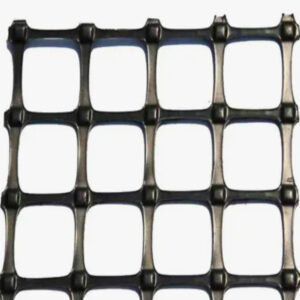
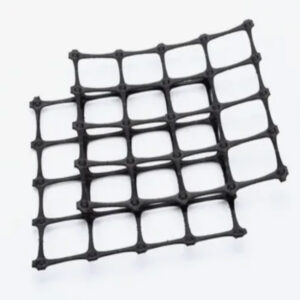
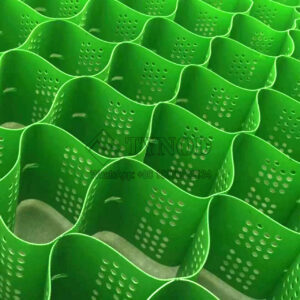
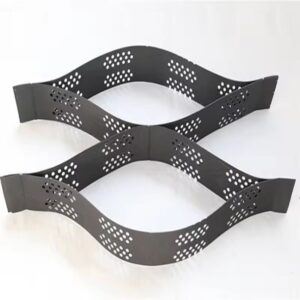
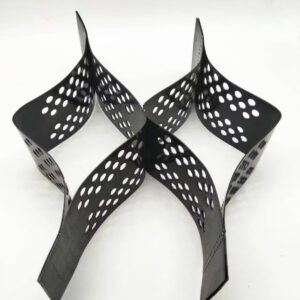
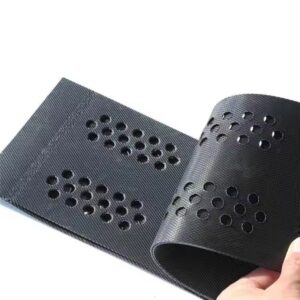
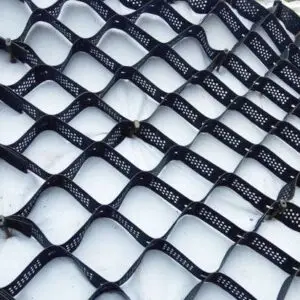
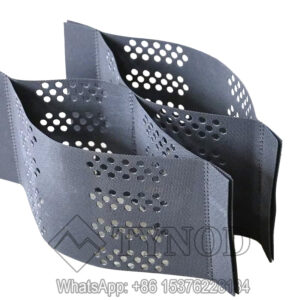
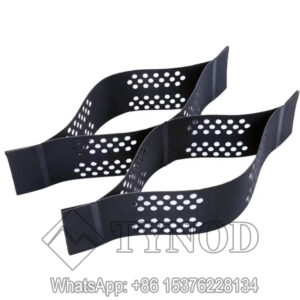
HDPE geonet is a geosynthetic drainage core manufactured from high-density polyethylene. It typically features:
- Bi-planar or tri-planar structure
- High in-plane flow capacity
- Excellent compressive strength
- Chemical resistance
Geonets are often combined with non-woven geotextiles to form geocomposite drainage systems.
Unlike traditional drain pipes, which collect water through perforations and transport it through a circular conduit, geonet distributes and conveys water across a planar surface.
This structural difference is fundamental in the geonet vs drain pipe comparison.
Hydraulic Performance: Geonet vs Drain Pipe
Hydraulic efficiency is the primary consideration in drainage design.
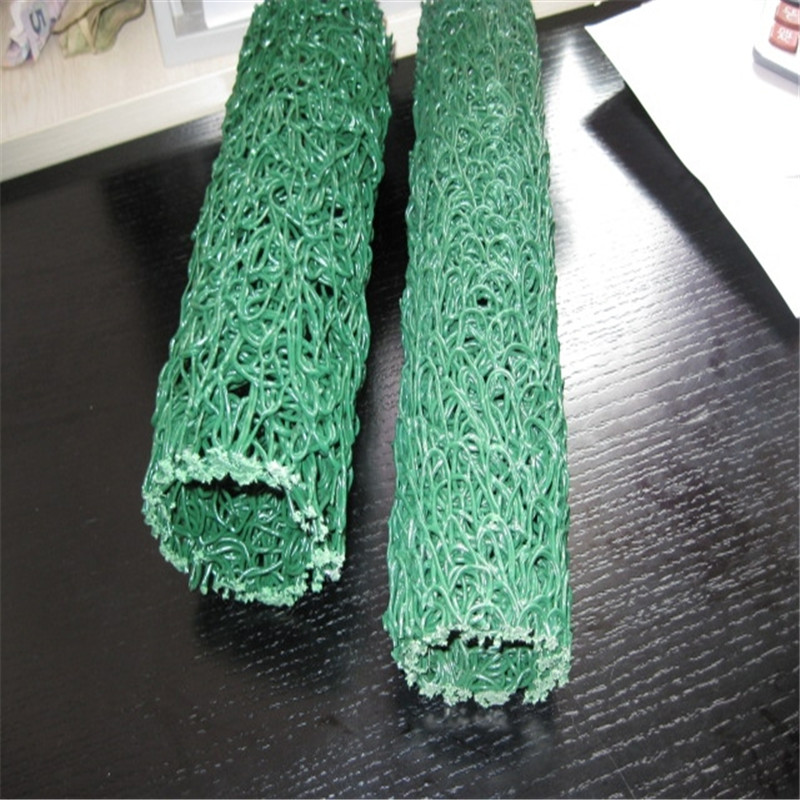
1. Flow Direction
Drain Pipe:
- Concentrated linear flow
- Water enters through perforations
- Transported through a single conduit
HDPE Geonet:
- Planar in-plane flow
- Water distributed across entire surface area
- More uniform drainage
In large-area drainage applications such as landfill liners or retaining walls, geonet often provides more consistent coverage.
2. Flow Capacity Under Load
In the geonet vs drain pipe evaluation, load resistance is critical.
Drain pipes can deform under heavy loads, especially if improperly bedded. Soil pressure may reduce pipe diameter, decreasing hydraulic capacity.
HDPE geonet, particularly tri-planar types, maintains flow channels under high compressive stress. Its ribbed structure resists creep deformation and ensures long-term transmissivity.
In applications like landfill drainage layers, geonet often performs better under sustained load.
3. Clogging Resistance
Drain pipes rely on surrounding aggregate to filter soil particles. Without proper filtration, perforations can clog.
HDPE geonet systems are typically paired with non-woven geotextile, which provides effective filtration. The geotextile prevents soil intrusion while maintaining flow.
In geonet vs drain pipe comparisons, geonet systems may offer improved clogging resistance when properly designed.
Installation Efficiency: Geonet vs Drain Pipe
Installation time and labor costs significantly affect project budgets.
Traditional Drain Pipe Installation
- Trench excavation required
- Gravel bedding necessary
- Pipe placement and alignment
- Backfilling with aggregate
- Compaction
This process can be labor-intensive and time-consuming.
HDPE Geonet Installation
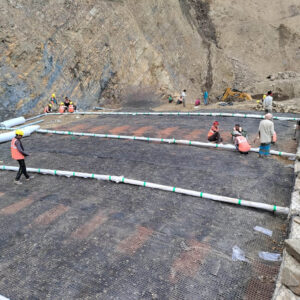
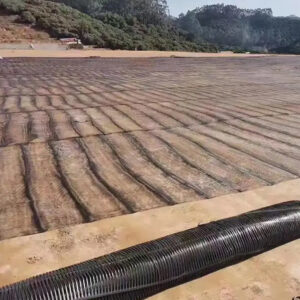
- Laid directly over prepared surface
- Minimal excavation required
- Can cover large areas quickly
- Reduced aggregate usage
In many projects, geonet reduces material handling and installation time.
From a construction efficiency standpoint, geonet vs drain pipe often favors geonet in large-area drainage systems.
Application Scenarios: Geonet vs Drain Pipe
Landfill Drainage Systems
In landfill leachate collection systems, geonet is widely used due to:
- High planar flow capacity
- Compatibility with geomembranes
- Uniform leachate distribution
Traditional drain pipes are still used as collection headers, but geonet is often preferred for primary drainage layers.
In this scenario, geonet vs drain pipe is not a direct replacement but a complementary system.
Retaining Wall Drainage
Behind retaining walls, drain pipes are commonly installed at the base to collect water.
However, geonet can be installed vertically against the wall to provide full-surface drainage, reducing hydrostatic pressure more uniformly.
In geonet vs drain pipe applications for retaining walls, geonet provides broader drainage coverage.
Road and Pavement Drainage
For road edge drainage, perforated pipes remain common due to their ability to channel water along defined paths.
However, geonet may be used in subsurface drainage layers where distributed drainage is required.
The choice in geonet vs drain pipe for roads depends on whether linear or planar drainage is needed.
Durability and Chemical Resistance: Geonet vs Drain Pipe
Both materials are typically manufactured from HDPE.
However:
- Geonets are specifically engineered for long-term compressive environments.
- Drain pipes may require structural reinforcement depending on burial depth.
In chemically aggressive environments such as landfills, HDPE geonet demonstrates excellent resistance to acids, alkalis, and biological degradation.
Durability performance in geonet vs drain pipe comparisons often depends on product quality and design thickness.
Cost Considerations in Geonet vs Drain Pipe
Initial material cost per square meter may favor drain pipes in small-scale projects.
However, when evaluating total system cost, including:
- Excavation
- Aggregate
- Labor
- Installation time
HDPE geonet systems may offer lower overall costs for large-area installations.
Life-cycle cost analysis often shows geonet as economically competitive in appropriate applications.
Structural Performance: Geonet vs Drain Pipe
Structural support differs significantly.
Drain pipes provide localized drainage points but rely heavily on aggregate envelope.
Geonets create a continuous drainage layer that:
- Reduces differential pressure
- Improves slope stability
- Minimizes localized stress concentration
In slope stabilization and retaining systems, geonet may provide superior distributed drainage performance.
Environmental Impact in Geonet vs Drain Pipe Systems
Geonet systems often require less aggregate, reducing:
- Quarry extraction
- Transportation emissions
- Construction carbon footprint
For sustainable infrastructure projects, this can be a deciding factor in geonet vs drain pipe selection.
Limitations of HDPE Geonet
While geonet has advantages, it is not always superior.
Limitations include:
- Not ideal for point discharge systems
- Requires proper edge sealing
- May need integration with collection pipes
Therefore, in geonet vs drain pipe comparisons, project-specific requirements must guide material selection.
When Is HDPE Geonet Better?
HDPE geonet is generally better when:
- Large-area planar drainage is required
- High compressive loads exist
- Uniform pressure relief is critical
- Rapid installation is necessary
Typical examples include:
- Landfill liners
- Retaining wall back drainage
- Tunnel waterproofing systems
- Green roof drainage layers
When Are Traditional Drain Pipes Better?
Drain pipes may be preferred when:
- Linear water collection is needed
- Defined discharge points are required
- Small-scale localized drainage systems are designed
- Retrofitting existing infrastructure
Final Evaluation: Geonet vs Drain Pipe
The debate of geonet vs drain pipe is not about one universally replacing the other. Instead, it is about selecting the right drainage solution for specific engineering conditions.
HDPE geonet provides:
- High in-plane flow capacity
- Uniform drainage distribution
- Strong compressive resistance
- Efficient installation
Traditional drain pipes provide:
- Directed linear drainage
- Simple collection systems
- Established installation practices
In many modern infrastructure projects, engineers combine both systems—using geonet for distributed drainage and drain pipes for water collection and discharge.
Conclusion
When comparing geonet vs drain pipe, HDPE geonet offers significant advantages in large-area, high-load, and environmentally sensitive drainage systems. It delivers consistent planar drainage, strong compressive resistance, and installation efficiency.
However, traditional drain pipes remain effective for linear collection and discharge applications.
The best drainage system is often a hybrid solution that integrates the strengths of both technologies.
Selecting between geonet vs drain pipe should always be based on hydraulic requirements, soil conditions, load environment, and long-term performance expectations.