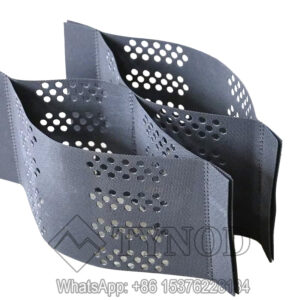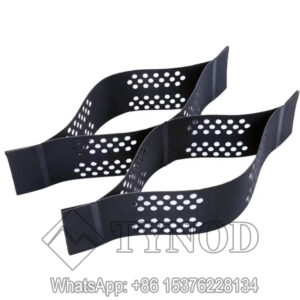
In civil engineering and infrastructure construction, load support and ground reinforcement are critical design considerations. Poor load distribution can lead to rutting, settlement, cracking, and premature structural failure. To address these challenges, engineers frequently rely on geosynthetics—particularly geocells and geogrids.
A common engineering question is:
Is geocell better than geogrid for load support?
The answer depends on soil conditions, load type, project objectives, and cost considerations. This article provides a comprehensive comparison of geocell vs geogrid for load support, explaining how each system works, where it performs best, and how to select the right solution for your project.
1. Understanding Load Support in Geotechnical Engineering
Load support refers to a ground system’s ability to:
- Carry applied loads safely
- Distribute stresses over a wider area
- Limit vertical settlement
- Prevent lateral soil movement
In weak or compressible soils, traditional granular bases alone are often insufficient. Geosynthetics improve load support by modifying stress distribution and soil behavior.
2. What Is Geocell?
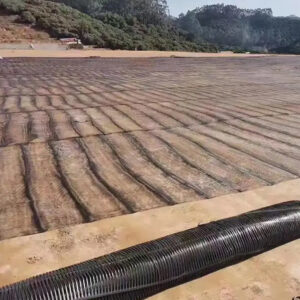
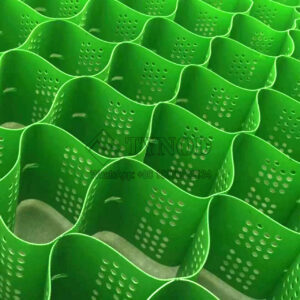
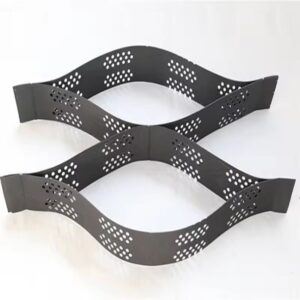
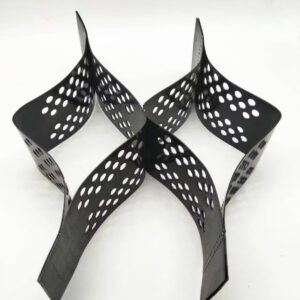
Geocell is a three-dimensional, honeycomb-like geosynthetic structure typically made from HDPE. When expanded on site and filled with soil, sand, or aggregate, it forms a cellular confinement system.
Key Characteristics of Geocell
- 3D structure with interconnected cells
- Strong lateral confinement
- High resistance to deformation
- Excellent performance on weak subgrades
Once filled, geocell creates a semi-rigid mattress that behaves as a composite slab.
3. What Is Geogrid?
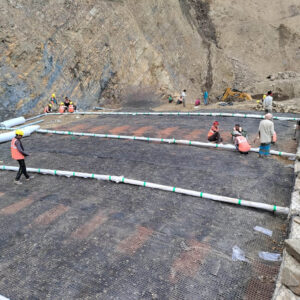
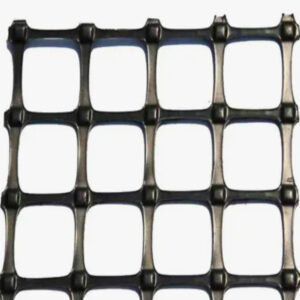
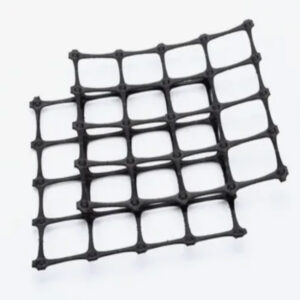
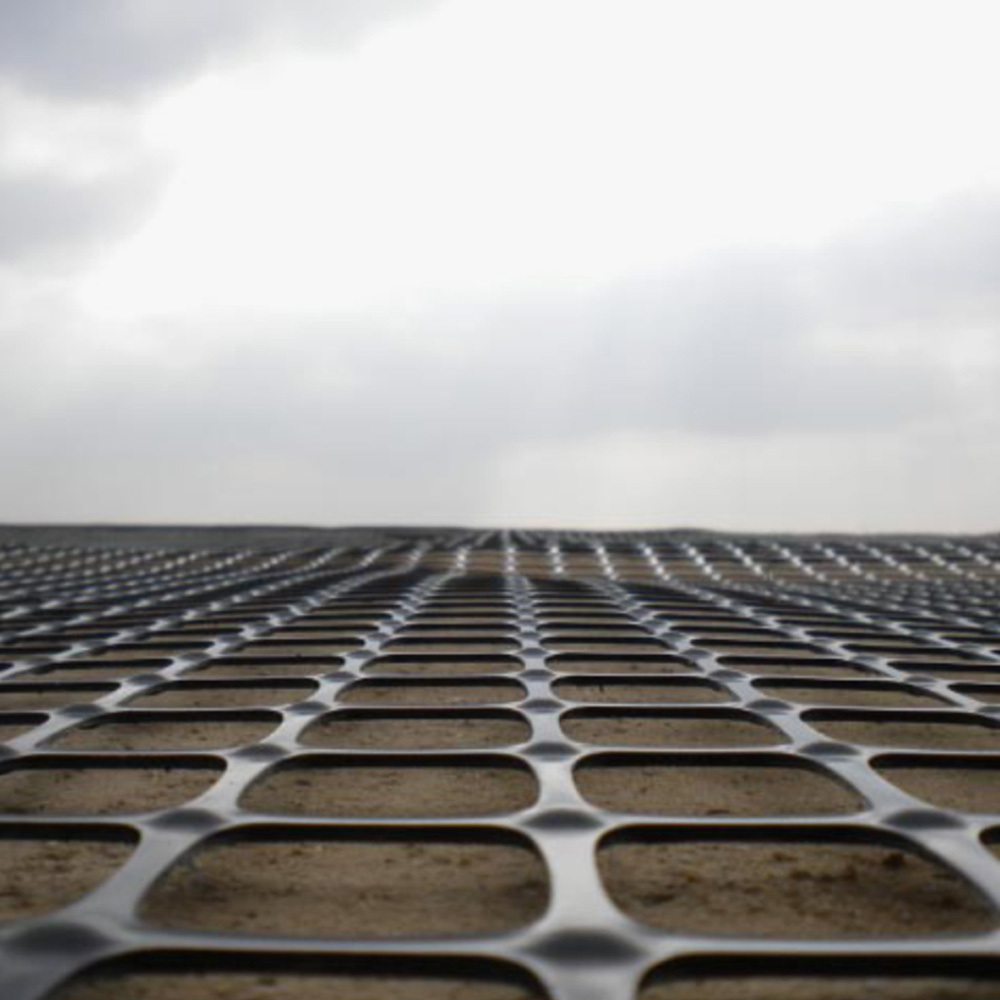
Geogrid is a two-dimensional geosynthetic with an open grid structure, usually made from polypropylene (PP), polyester (PET), or fiberglass.
Key Characteristics of Geogrid
- 2D planar reinforcement
- Load transfer through tensile strength
- Aggregate interlock mechanism
- Widely used in pavements and retaining walls
Geogrids improve load support by reinforcing the soil mass and increasing its apparent stiffness.
4. Load Support Mechanisms: Geocell vs Geogrid
How Geocell Supports Loads
Geocell improves load support through three-dimensional confinement:
- Lateral confinement of infill material
- Vertical load distribution across multiple cells
- Reduction of stress concentration
- Formation of a stiff composite layer
Under load, geocell-filled layers act like a flexible slab, significantly reducing vertical stresses on the subgrade.
How Geogrid Supports Loads
Geogrid relies on tensile reinforcement and interlock:
- Aggregate particles lock into grid apertures
- Tensile forces develop under load
- Lateral spreading of aggregate is restricted
- Load is transferred horizontally
Geogrids are highly effective when installed within well-graded granular layers.
5. Bearing Capacity Improvement Comparison
One of the most important criteria in geocell vs geogrid for load support is bearing capacity improvement.
Geocell
- Can increase bearing capacity by 2–5 times
- Particularly effective on very soft soils (CBR < 3)
- Performs well even with marginal infill materials
Geogrid
- Bearing capacity improvement typically 1.5–3 times
- Highly dependent on aggregate quality
- Less effective on extremely soft subgrades
Conclusion:
For very weak soils and heavy loads, geocell provides superior load support.
6. Load Distribution Efficiency
Geocell Load Distribution
- Spreads loads in both vertical and horizontal directions
- Reduces contact stress beneath wheel loads
- Minimizes rutting and differential settlement
Geogrid Load Distribution
- Primarily redistributes loads laterally
- Effective for preventing base layer spreading
- Less effective in vertical stress reduction
For applications requiring strong stress dispersion, geocell outperforms geogrid.
7. Performance on Weak and Soft Subgrades
Geocell on Soft Soil
- Creates a stable working platform
- Limits shear failure
- Allows thinner base layers
- Suitable for CBR < 2 soils
Geogrid on Soft Soil
- Requires thicker aggregate layers
- Performance drops significantly if subgrade is very soft
- Often combined with geotextiles
In challenging soil conditions, geocell is generally the better load support solution.
8. Rutting Resistance Under Repeated Traffic Loads
Repeated loading (traffic) is a key design concern for roads.
Geocell
- Excellent rut resistance due to confinement
- Maintains surface integrity under heavy axle loads
- Proven in unpaved and temporary roads
Geogrid
- Good rut resistance when properly designed
- More sensitive to construction quality
- Requires well-compacted aggregate
For heavy or repetitive loads, geocell delivers more consistent performance.
9. Structural Thickness and Material Efficiency
Geocell
- Allows significant reduction in base thickness
- Can reduce aggregate use by 30–50%
- Lower excavation requirements
Geogrid
- Moderate base thickness reduction
- Aggregate savings depend on design
In projects where excavation depth or material supply is limited, geocell provides higher material efficiency.
10. Construction and Installation Considerations
Geocell Installation
- Expanded and anchored on site
- Filled with soil or aggregate
- Requires less high-quality aggregate
- Slightly higher installation time
Geogrid Installation
- Rolled out quickly
- Requires precise aggregate placement
- High-quality infill essential
- Faster for large, uniform areas
11. Cost Comparison: Geocell vs Geogrid for Load Support
- Geocell: higher unit price, lower total system cost on weak soils
- Geogrid: lower material cost, cost-effective on good subgrades
For heavy loads and poor soils, geocell often delivers better lifecycle value.
12. Typical Applications Comparison
Geocell:
Soft subgrade roads, heavy haul roads, temporary access roads, railways, industrial yards
Geogrid:
Pavement reinforcement, retaining walls, MSE walls, slopes, asphalt roads
13. Environmental and Sustainability Considerations
Geocell reduces aggregate use and allows local infill materials.
Geogrid offers long service life and efficient reinforcement.
Both systems improve sustainability compared to conventional thick bases.
14. Can Geocell and Geogrid Be Used Together?
Yes. A hybrid system using geogrid for basal reinforcement and geocell for surface load distribution is widely adopted for demanding projects.
15. Final Conclusion
When comparing geocell vs geogrid for load support:
- Geocell is superior for weak soils, heavy loads, and rut resistance
- Geogrid is ideal for reinforcement on competent subgrades
Design choice should be based on soil condition, load demand, and lifecycle cost.