
Non-Woven Geotextile Fabrics for Filtration, Drainage & Soil Stabilization
High-performance non-woven geotextile solutions engineered for separation, filtration, drainage, and protection in civil and environmental projects.
What Is Non-Woven Geotextile?
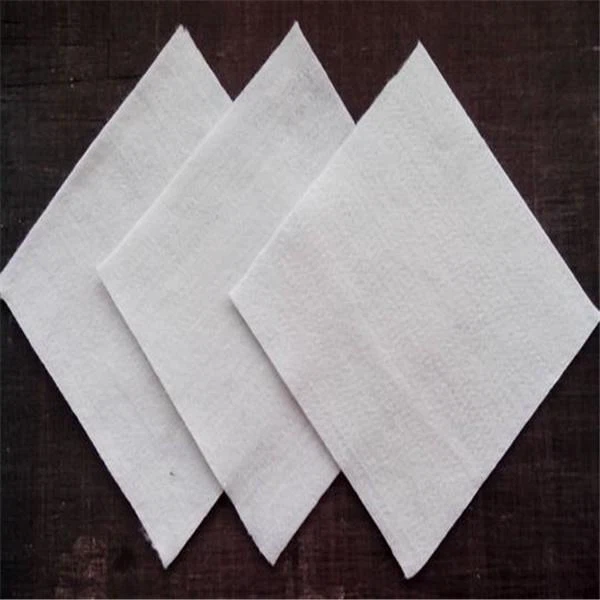
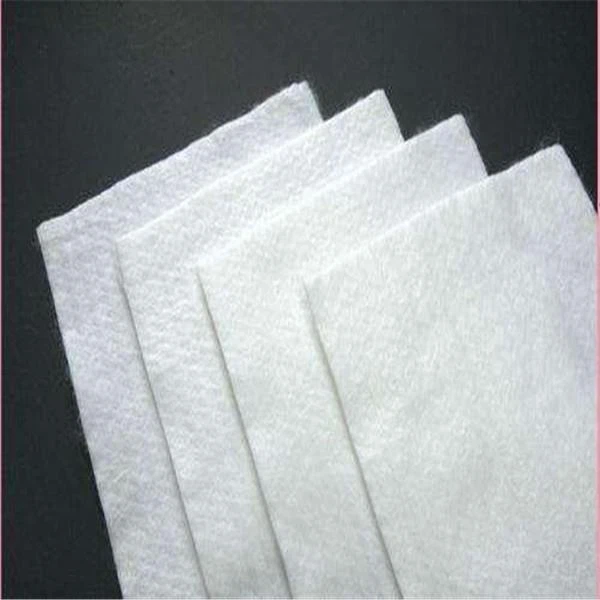
Non-woven geotextile is a permeable geosynthetic material manufactured from polypropylene or polyester fibers through needle punching or thermal bonding processes. Unlike woven geotextiles, non-woven fabrics have a random fiber structure that provides excellent filtration and drainage performance.
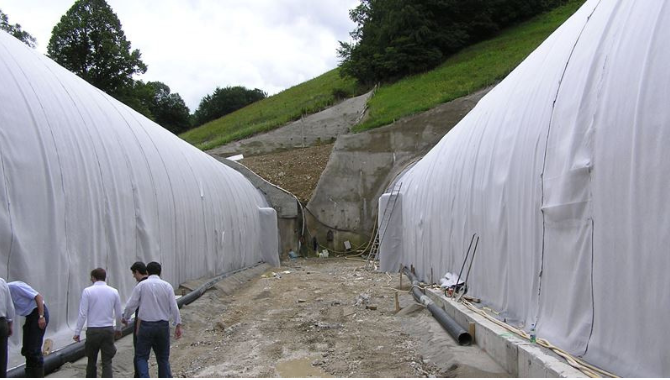
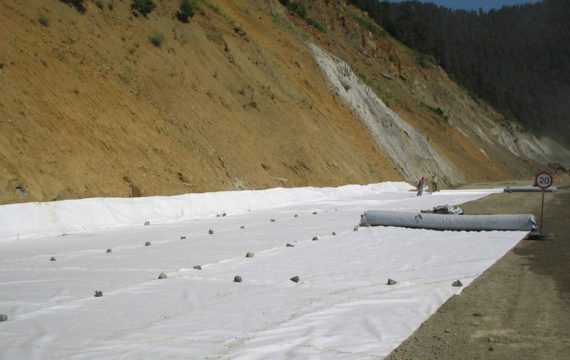
Non-woven geotextiles allow water to pass through while retaining soil particles, making them ideal for filtration, separation, drainage, protection, and cushioning applications. They are widely used in road construction, drainage systems, landfills, coastal engineering, and environmental protection projects.
Key Advantages of Non-Woven Geotextile Fabrics
Non-woven geotextile fabrics are widely used in civil engineering, infrastructure, and environmental projects due to their excellent hydraulic performance and mechanical durability. Manufactured from high-quality synthetic fibers through needle-punching or thermal bonding processes, these geotextiles provide reliable filtration, separation, and protection functions across a wide range of applications.
One of the primary advantages of non-woven geotextile fabrics is their excellent water permeability and filtration efficiency. The random fiber structure allows water to pass freely while effectively retaining soil particles. This prevents clogging and maintains consistent drainage performance, even under varying soil and hydraulic conditions.
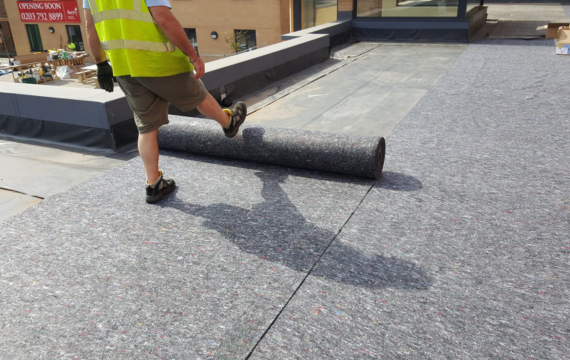
Non-woven geotextiles also offer high puncture and tear resistance, enabling them to withstand construction stresses, sharp aggregates, and heavy loads during installation and service. Their robust structure helps protect underlying layers such as geomembranes or drainage systems from mechanical damage.
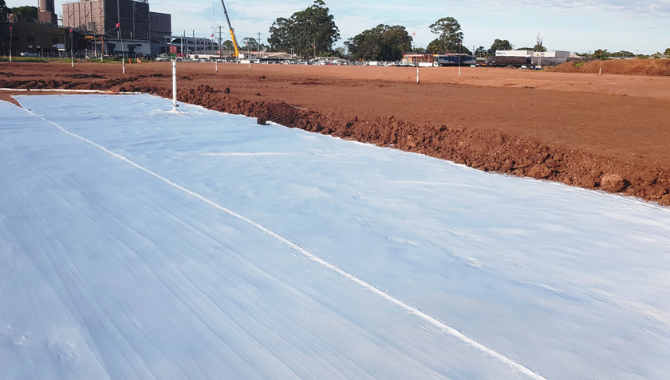
Another key benefit is effective soil separation and stabilization. When placed between different soil layers, non-woven geotextiles prevent intermixing of fine and coarse materials, preserving the integrity of each layer. This improves load distribution, enhances structural stability, and extends the lifespan of roads, railways, and foundations.
With good elongation and adaptability to ground deformation, non-woven geotextiles can accommodate differential settlement and minor ground movement without tearing. This flexibility makes them especially suitable for soft soils, uneven subgrades, and applications where long-term deformation is expected.
In addition, non-woven geotextile fabrics are resistant to chemical and biological degradation. They perform reliably in acidic or alkaline environments and are unaffected by bacteria, fungi, or microorganisms commonly found in soil. This ensures stable performance in challenging environmental conditions.
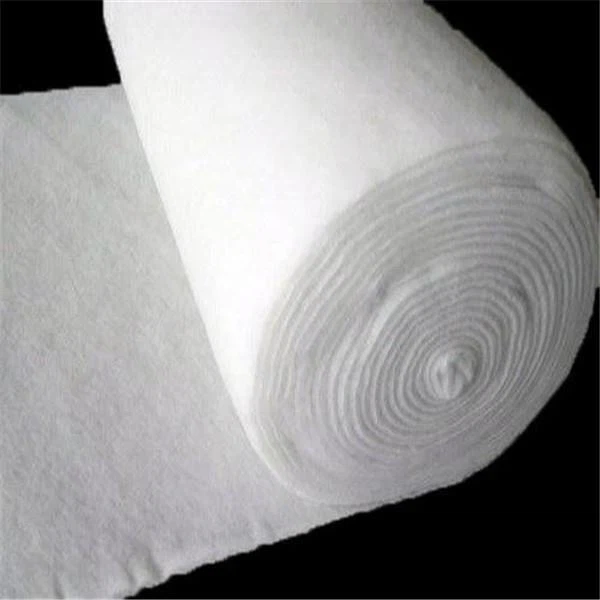
Their easy installation and handling on site further reduce construction time and labor costs. Supplied in rolls, the fabric can be quickly cut and placed, conforming easily to irregular surfaces and complex geometries.
Finally, non-woven geotextiles provide a long service life in buried applications. Engineered for durability, they maintain their physical and hydraulic properties over extended periods, making them a cost-effective and dependable solution for long-term infrastructure and environmental projects.
Applications of Non-Woven Geotextiles

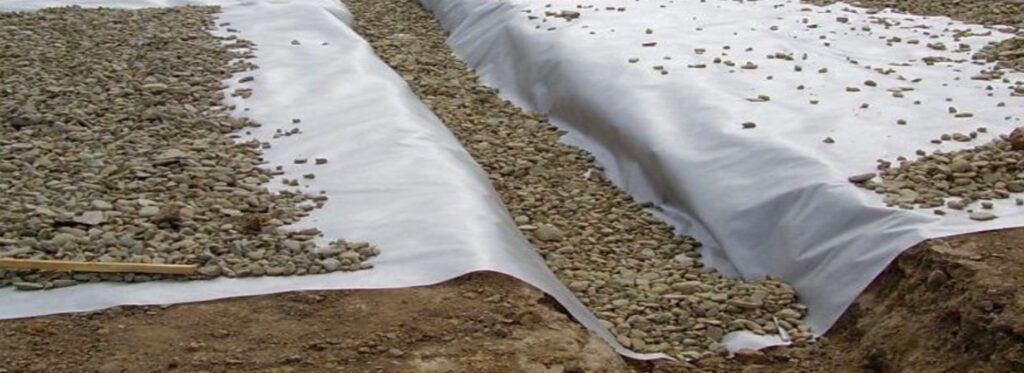
Applied in French drains, trench drains, and drainage pipes as filter layers.

Functions as protection and filtration layers in landfill liner systems.

Used under riprap and revetments to prevent soil erosion.

Improves drainage and soil stability in green areas.
Our Non-Woven Geotextile Product Range
We offer a comprehensive range of non-woven geotextile fabrics designed to meet the performance requirements of diverse civil engineering and environmental projects. Our products are manufactured using high-quality raw materials and advanced production technology to ensure consistent quality, durability, and long-term performance.

PP Needle-Punched Non-Woven Geotextile
Our PP needle-punched non-woven geotextile is manufactured from premium polypropylene fibers and is available in a weight range from 100 to 800 g/m². The needle-punched structure provides excellent water permeability while maintaining effective soil filtration, preventing fine particle migration and clogging. This type of geotextile offers reliable drainage performance, good elongation, and strong resistance to chemical and biological degradation, making it ideal for applications such as road construction, drainage systems, landfills, retaining walls, and foundation protection.
PET Non-Woven Geotextile
The PET non-woven geotextile is produced from high-strength polyester fibers, offering higher tensile strength and superior thermal resistance compared to polypropylene alternatives. It performs exceptionally well in applications requiring greater load-bearing capacity and dimensional stability under long-term stress. This product is particularly suitable for demanding engineering applications such as railways, embankments, coastal works, and heavy-duty infrastructure projects where enhanced mechanical performance is essential.
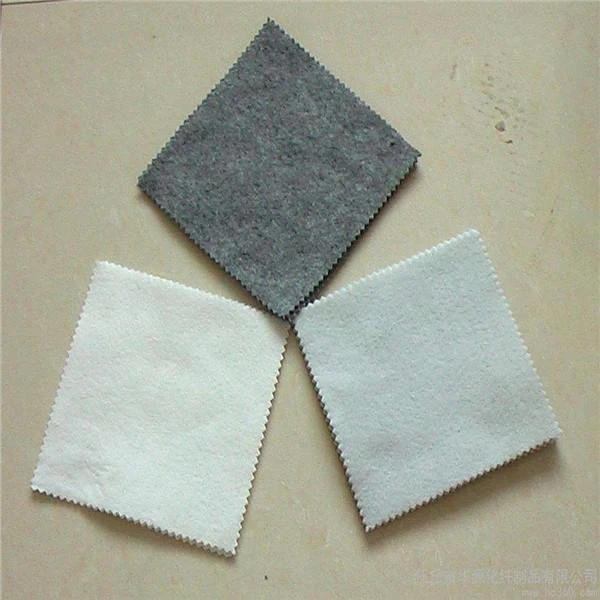
Customized Non-Woven Geotextile
To address specific project requirements, we provide customized non-woven geotextile solutions. Customization options include tailored widths, roll lengths, GSM ranges, and fabric structures, all designed according to detailed project specifications and performance standards. Our technical team works closely with clients to ensure the selected product meets design, installation, and long-term performance expectations.
Non-Woven Geotextile Technical Specifications
| Property | Typical Range |
|---|---|
| Material | PP / PET |
| Weight (GSM) | 100 – 800 g/m² |
| Tensile Strength | 8 – 30 kN/m |
| Elongation at Break | 40 – 100% |
| Apparent Opening Size (AOS) | 0.08 – 0.30 mm |
| Permittivity | ≥ 0.05 s⁻¹ |
| Puncture Resistance | High |
| Service Life | ≥ 25 years (buried) |