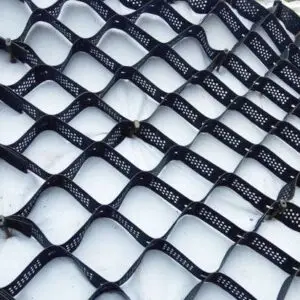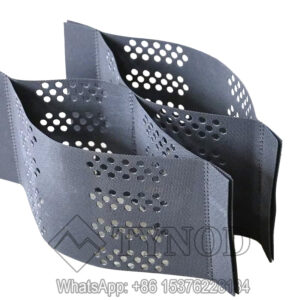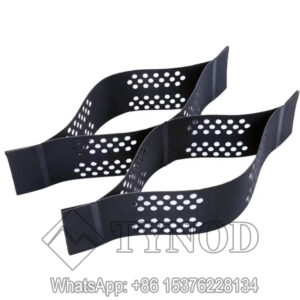
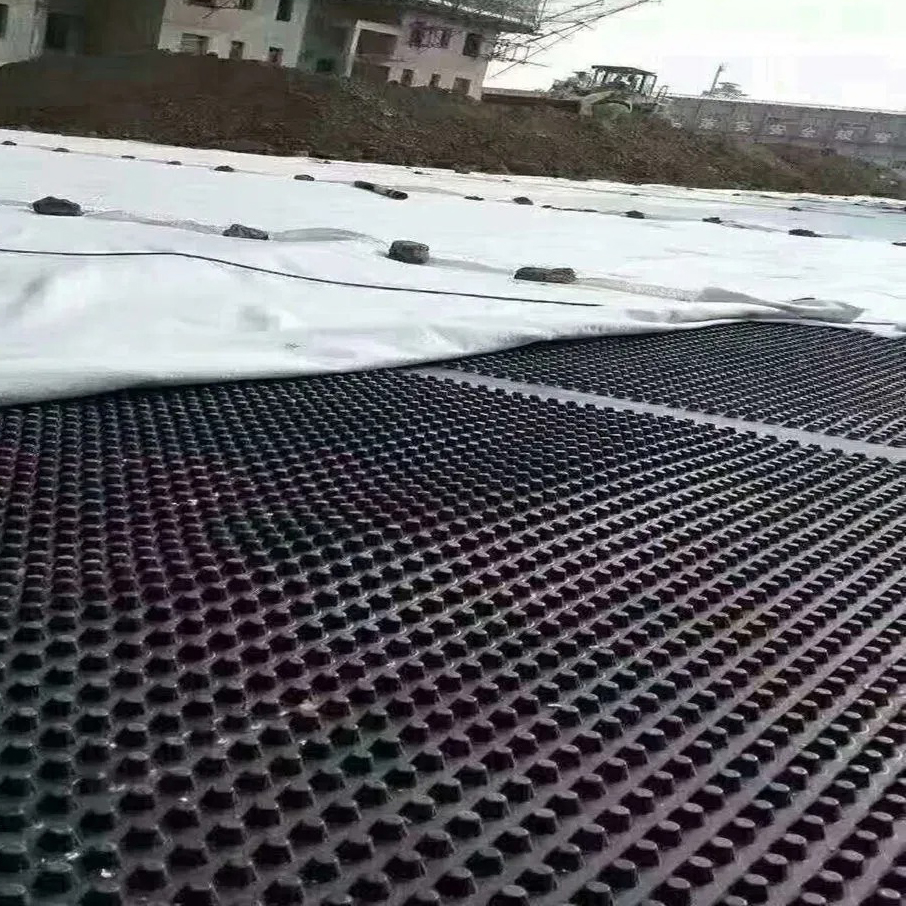
What is a drainage board? Effective water management is a critical aspect of modern civil engineering and building construction. Poor drainage can lead to water pressure buildup, structural damage, waterproofing failure, and reduced service life of buildings and infrastructure. To address these challenges, engineers widely use drainage board systems as a reliable and efficient solution.
This article explains what a drainage board is, how a drainage board system works, its structural components, key benefits, and typical applications in construction projects.
1️⃣ What Is a Drainage Board?
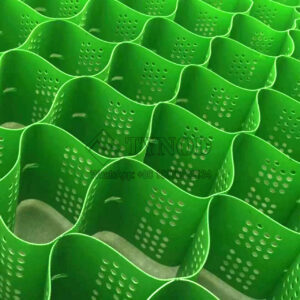
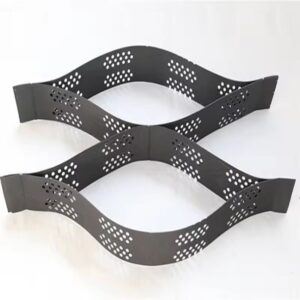
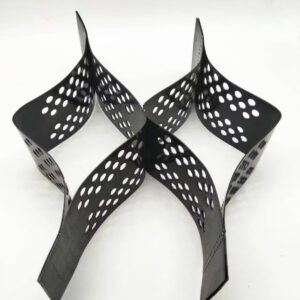
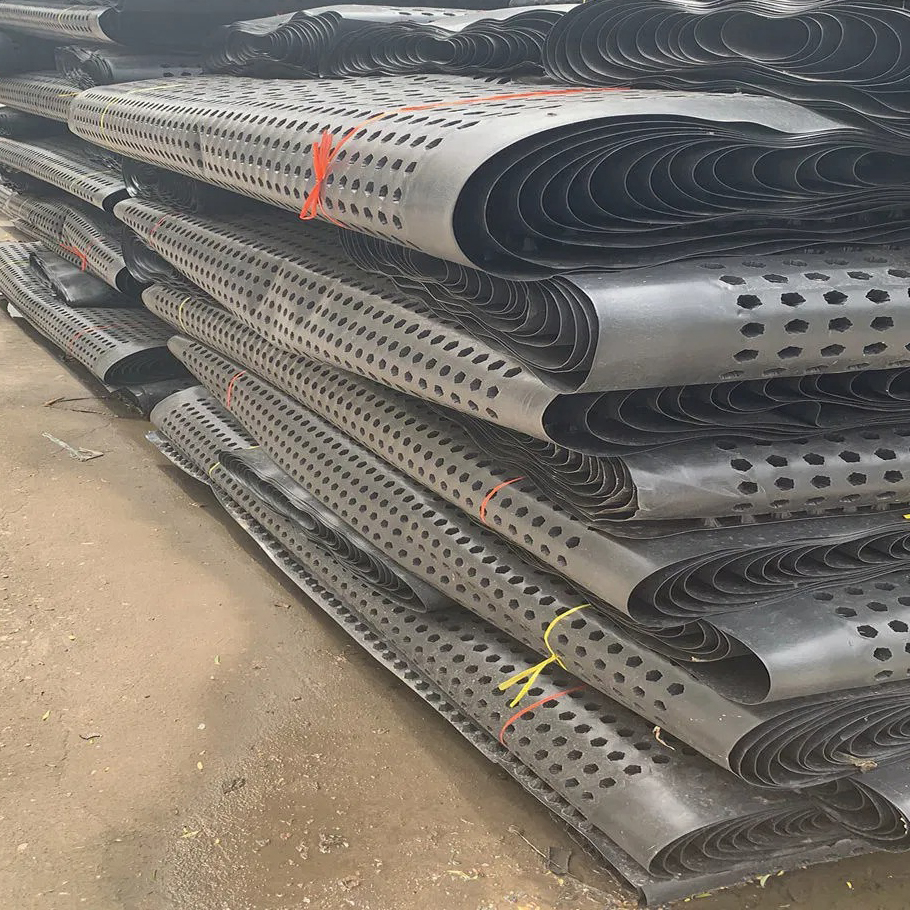
A drainage board (also known as a drainage sheet, dimple board, or drainage panel) is a prefabricated geosynthetic drainage material, typically made from HDPE (high-density polyethylene) or PP (polypropylene).
It features:
- A three-dimensional dimpled or cuspated structure
- High compressive strength
- Excellent water flow capacity
- Long-term chemical and biological resistance
Drainage boards are designed to collect, channel, and discharge groundwater while protecting waterproofing membranes from mechanical damage.
2️⃣ Basic Structure of a Drainage Board System
A complete drainage board system usually consists of:
✔ Drainage Board (Core Layer)
- Creates void space for water flow
- Supports vertical and horizontal drainage
- Resists soil pressure and construction loads
✔ Filter Layer (Optional Geotextile)
- Prevents soil particles from clogging drainage channels
- Allows water to pass freely
- Improves long-term drainage performance
✔ Waterproofing Membrane (Underlying Layer)
- Protects the structure from water ingress
- Works together with the drainage board to relieve hydrostatic pressure
3️⃣ How Does a Drainage Board System Work?
The working principle of a drainage board system is based on controlled water collection and discharge.
Step 1: Water Collection
Groundwater or infiltrated rainwater enters the system through surrounding soil. The geotextile filter (if present) allows water to pass while retaining fine soil particles.
Step 2: Water Channeling
The dimpled structure of the drainage board creates continuous flow paths. These channels allow water to move vertically or horizontally depending on system design.
Step 3: Pressure Relief
By providing a free-flow drainage space, the drainage board reduces hydrostatic pressure acting on walls, slabs, and waterproofing layers.
Step 4: Water Discharge
Collected water is guided toward drainage outlets, perforated pipes, sumps, or external drainage systems, ensuring controlled removal from the structure.
This process protects structural elements and enhances overall durability.
4️⃣ Key Functions of Drainage Boards
A drainage board performs several essential functions simultaneously:
✔ Drainage
Ensures efficient water movement away from structures.
✔ Protection
Prevents mechanical damage to waterproofing membranes during backfilling.
✔ Pressure Reduction
Relieves groundwater pressure on basement walls and slabs.
✔ Ventilation (In Some Designs)
Allows air circulation to reduce moisture accumulation.
These combined functions make drainage boards superior to traditional gravel drainage layers in many applications.
5️⃣ Types of Drainage Boards
HDPE Drainage Board
- High compressive strength
- Excellent chemical resistance
- Long service life
- Suitable for heavy loads and deep foundations
Drainage Board with Geotextile
- Integrated filter fabric
- Prevents clogging
- Ideal for soil contact applications
Roof Drainage Board
- Lightweight design
- Supports green roofs and roof gardens
- Manages excess rainwater efficiently
6️⃣ Typical Applications of Drainage Board Systems
Drainage board systems are widely used in:
Building Construction
- Basement walls and floors
- Underground parking structures
- Foundations and retaining walls
Infrastructure Projects
- Tunnels and subways
- Cut-and-cover structures
- Bridge abutments
Landscaping and Roofing
- Green roofs
- Planter boxes
- Sports fields and podium decks
Environmental and Civil Engineering
- Landfills and capping systems
- Drainage layers for water control systems
7️⃣ Advantages of Drainage Board Systems
Compared with traditional gravel drainage layers, drainage boards offer significant benefits:
| Advantage | Description |
|---|---|
| Lightweight | Easy handling and installation |
| High drainage capacity | Consistent water flow |
| Space-saving | Thin profile replaces thick gravel layers |
| Cost-effective | Reduced labor and material |
| Durable | Resistant to chemicals, rot, and microorganisms |
| Fast installation | Shorter construction timelines |
These advantages make drainage board systems a preferred solution in modern construction.
8️⃣ Installation Considerations
For optimal performance, proper installation is essential:
- Install drainage boards with dimples facing the water source
- Ensure continuous contact with waterproofing membranes
- Overlap joints securely to maintain drainage continuity
- Connect to perimeter drains or discharge pipes
- Protect boards during backfilling to avoid displacement
Following correct installation procedures ensures long-term system effectiveness.
9️⃣ Drainage Board vs Traditional Drainage Methods
| Aspect | Drainage Board | Gravel Drainage |
|---|---|---|
| Thickness | Thin (10–30 mm) | Thick (300+ mm) |
| Weight | Lightweight | Heavy |
| Installation speed | Fast | Slow |
| Drainage consistency | High | Variable |
| Cost efficiency | High | Lower in long term |
Drainage boards provide predictable and engineered drainage performance, especially in confined spaces.
🔟 Conclusion
A drainage board system is an engineered solution designed to manage groundwater, protect waterproofing layers, and improve the durability of buildings and infrastructure. By collecting, channeling, and discharging water efficiently, drainage boards reduce hydrostatic pressure and prevent water-related structural damage.
Key reasons to use drainage boards include:
✔ Efficient drainage performance
✔ Protection of waterproofing systems
✔ Reduced construction time and cost
✔ Long service life and durability
✔ Wide application versatility
For basements, tunnels, roofs, and landscaping projects, drainage boards are a proven and essential component of modern water management design.