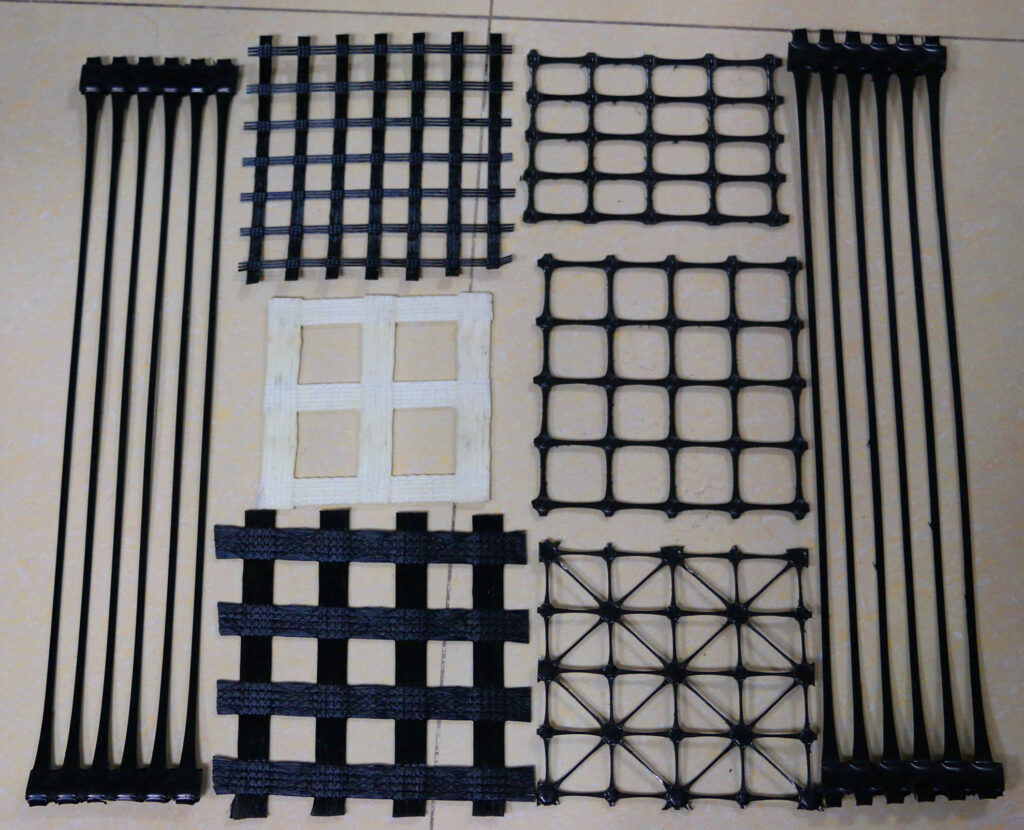
Polyester vs fiberglass geogrids .Geogrids are widely used in transportation, geotechnical, and infrastructure projects to improve soil and pavement performance. Among the most commonly specified materials are polyester (PET) geogrids and fiberglass geogrids. Although both serve reinforcement purposes, their material composition, mechanical behavior, durability, and suitable applications differ significantly.
Understanding the difference between polyester and fiberglass geogrid is critical for selecting the correct reinforcement solution based on project requirements, loading conditions, and service life expectations.
1. Material Composition
Polyester Geogrid
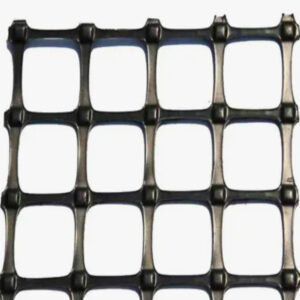
Polyester geogrids are manufactured from high-tenacity polyester (PET) yarns, typically coated with PVC, latex, or bitumen for protection.
Key material characteristics:
- Flexible polymer fiber structure
- High tensile strength
- Excellent resistance to long-term creep
- Chemical and biological stability in soil environments
Fiberglass Geogrid
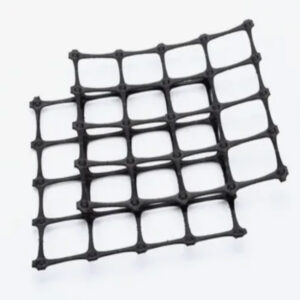
Fiberglass geogrids are produced from glass fiber filaments coated with bitumen or polymer to improve durability and bonding with asphalt.
Key material characteristics:
- Very high tensile modulus
- Brittle behavior (low elongation)
- High temperature resistance
- Excellent compatibility with asphalt layers
2. Tensile Behavior and Elongation
Polyester Geogrid
- Moderate modulus with higher elongation (typically 8–12%)
- Can accommodate soil deformation
- Mobilizes strength gradually
- Ideal for reinforced soil structures where flexibility is required
Fiberglass Geogrid
- Very high modulus with very low elongation (≤3%)
- Resists deformation immediately
- Controls crack propagation effectively
- Best suited for asphalt reinforcement
📌 Key difference:
Polyester geogrids are ductile, while fiberglass geogrids are stiff and brittle.
3. Creep Resistance and Long-Term Performance
Polyester Geogrid
- Outstanding creep resistance
- Maintains tensile strength over decades
- Suitable for permanent structures such as:
- Retaining walls
- Reinforced slopes
- Embankments
Fiberglass Geogrid
- Minimal creep under short-term loads
- Not recommended for long-term soil reinforcement
- Performs best under cyclic traffic loading within asphalt layers
📌 Conclusion:
Polyester geogrids are superior for long-term load-bearing soil structures.
4. Durability and Environmental Resistance
| Property | Polyester Geogrid | Fiberglass Geogrid |
|---|---|---|
| Chemical resistance | Excellent | Good |
| Moisture resistance | Excellent | Good |
| UV resistance | Good (with coating) | Moderate |
| Flexibility | High | Low |
| Brittleness | Low | High |
Fiberglass geogrids can fracture if bent excessively during installation, while polyester geogrids tolerate handling and compaction better.
5. Typical Applications
Polyester Geogrid Applications
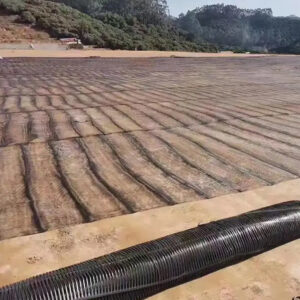
- Reinforced soil retaining walls
- Steep slopes and embankments
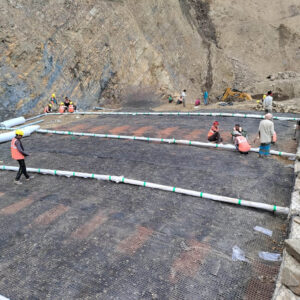
- Landfill reinforcement
- Railway subgrade stabilization
- Foundations on soft soils
Fiberglass Geogrid Applications
- Asphalt pavement reinforcement
- Crack control and reflective crack prevention
- Highway overlays
- Airport runways
- Bridge deck asphalt layers
📌 Rule of thumb:
- Soil reinforcement → Polyester geogrid
- Asphalt reinforcement → Fiberglass geogrid
6. Installation and Construction Considerations
Polyester Geogrid
- Easy to cut and handle
- Tolerates construction damage
- Compatible with granular and cohesive soils
- Suitable for large-scale earthworks
Fiberglass Geogrid
- Requires careful handling
- Sensitive to bending and folding
- Must be installed on smooth asphalt surfaces
- Often bonded using tack coat or bitumen
7. Cost and Value Comparison
| Factor | Polyester Geogrid | Fiberglass Geogrid |
|---|---|---|
| Initial material cost | Moderate | Lower–moderate |
| Long-term value | High | High (for pavements only) |
| Maintenance reduction | Excellent | Excellent |
| Lifecycle cost | Lower for soil works | Lower for asphalt overlays |
The best value depends on application type, not just material price.
8. How to Choose the Right Geogrid
Choose polyester geogrid if your project involves:
- Retaining walls
- Reinforced slopes
- Permanent soil structures
- Long-term tensile loading
Choose fiberglass geogrid if your project involves:
- Asphalt pavement overlays
- Crack control systems
- High-temperature asphalt environments
- Short-term tensile stress with minimal deformation
Conclusion
The difference between polyester and fiberglass geogrid lies primarily in material behavior, flexibility, creep resistance, and application focus.
- Polyester geogrids offer excellent long-term tensile performance, flexibility, and durability for soil reinforcement and structural earthworks.
- Fiberglass geogrids provide high stiffness and crack control performance for asphalt pavement reinforcement.
Selecting the correct geogrid ensures structural safety, cost efficiency, and long-term performance of infrastructure projects.