Introduction
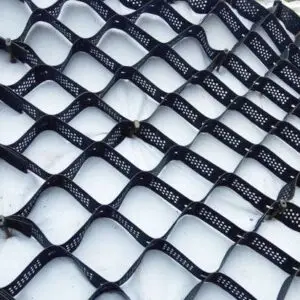
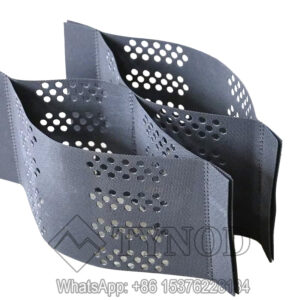
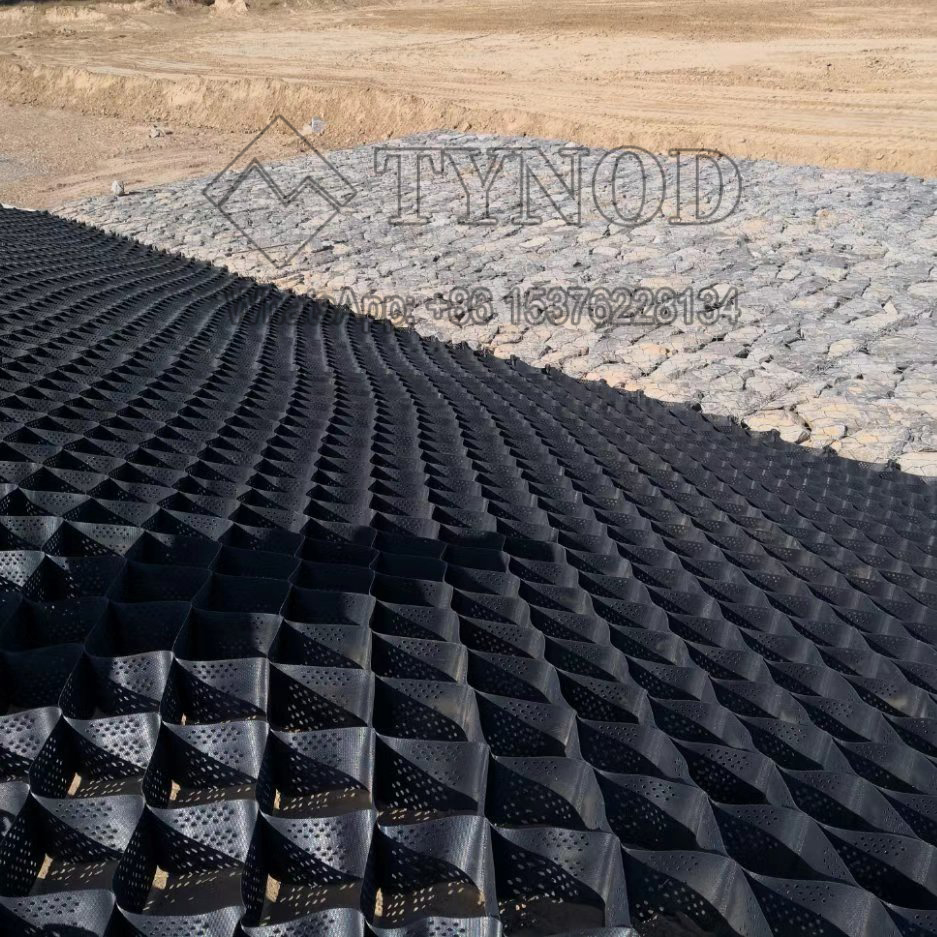
Estimating geocell cost per square meter in 2025 is essential for civil engineers, project owners, and contractors who are planning infrastructure works such as road reinforcement, slope stabilization, parking lots, or erosion control. Geocell—also called cellular confinement systems—offers a versatile, strong, and cost-effective alternative to traditional soil stabilization methods. However, costs vary widely depending on material, cell size, thickness, manufacturing quality, and purchasing volume.
In this comprehensive article, we break down what you can expect to pay for geocell in 2025, explain how different factors influence cost, and suggest ways to optimize your budget when estimating geocell cost per square meter in 2025.
1. What Affects the 2025 Geocell Cost per Square Meter?
The cost of geocell is influenced by multiple factors that contribute to the total price per square meter. Understanding these variables helps project planners budget more accurately.
1.1 Material Type
Different polymers are used in geocell production:
- HDPE (High-Density Polyethylene): Most common, UV resistant, durable 75–100+ years, typically lower cost.
- PP (Polypropylene): Flexible and often cheaper, but less UV resistant long-term.
- Composite or PET/NPA: Higher strength and durability, more expensive per m².
1.2 Cell Height and Wall Thickness
The structural strength and material volume increase with cell height and wall thickness. Standard configurations include:
- 50–75 mm cells for light stabilization (~$0.50–$1.50/m²).
- 100–150 mm cells for general road base reinforcement (~$1.50–$3.50/m²).
- 200+ mm cells for heavy load and erosion control (~$3.00–$5.00/m²).
Larger cells and thicker walls use more polymer, increasing geocell cost per square meter but also strengthening confinement performance.
1.3 Supplier Type & Region
Pricing differs by supplier and region:
- Manufacturers in Asia often provide lower material costs and bulk discounts.
- North American and European suppliers may charge more due to higher labor and compliance costs.
1.4 Order Volume
Economies of scale matter:
- Large orders (>10,000 m²) often reduce unit price by 10–25%.
- Small orders (<1,000 m²) may be priced toward the upper end of ranges due to production and logistics overhead.
1.5 Installation & Infill
While not part of the geocell material cost per square meter, installation and infill (e.g., gravel, sand) significantly affect total project budget.
2. Typical 2025 Geocell Cost per Square Meter (Material Only)
Based on 2025 market trends and supplier data, here’s what you can expect for material cost per square meter of geocell:
📌 HDPE Geocell
- Light duty (50–75 mm): ~$0.50–$1.50/m²
- Medium duty (100–150 mm): ~$1.50–$3.50/m²
- Heavy duty (150–200 mm): ~$3.00–$5.00/m²
These ranges reflect variations in polymer weight, cell structure, and UV additives.
📌 PP Geocell
- Standard PP: ~$1.00–$2.50/m² — used mainly for lighter projects.
📌 Composite/NPA
- High-performance materials: ~$5.00–$7.50/m² — used for extreme structural requirements (e.g., large embankments, mining).
Across most mainstream infrastructure projects, HDPE geocells strike the best balance between performance and cost.
3. Installation Costs & Total Project Budget
While geocell material cost per square meter is key, installation must be included for realistic budgeting.
3.1 Installation Costs (Labor + Site Prep)
Installation typically adds:
- $0.50–$2.00/m² for labor.
- $0.10–$0.50/m² for site preparation, grading, or geotextile underlay.
3.2 Infill Material
The cost of infill depends on aggregate type:
- Local gravel: ~$0.20–$0.50/m²
- Sand: ~$0.10–$0.30/m²
- Imported or specialty aggregates: ~$0.50–$1.00/m²
Infill materials add to the geocell cost per square meter in total installed budget.
3.3 Total Installed Cost
Combining geocell material, installation, and infill, typical geocell project budgets in 2025 range around $5–$22/m² depending on complexity and region.
Bulk buying and local materials can bring the total installed cost down toward the lower end of this range.
4. Cost Comparison: Geocell vs Traditional Methods
When evaluating geocell cost per square meter in 2025, it’s helpful to compare with traditional soil stabilization and pavement alternatives:
❗ Concrete or Asphalt Stabilization
Traditional concrete or asphalt methods often cost significantly more due to:
- Formwork and curing time
- Heavy equipment
- Longer labor hours
- Higher aggregate and reinforcement needs
For many applications, geocell offers better performance per dollar, especially where permeability and long-term maintenance are valued.
For example, geocells can cost 50–75% less upfront than concrete revetments on slopes and are easier to install.
5. Real Project Illustrations
Here are three indicative project cost cases using 2025 prices:
📌 Residential Driveway (200 m²)
- Geocell material (100 mm): $1.50/m² × 200 = $300
- Geotextile underlay: $0.50/m² × 200 = $100
- Gravel infill: ~$400
- Labor: $150
- Site prep: $60
- Total: ~$5.05/m² (~$1,010)
📌 Road Base Reinforcement (5,000 m²)
- Geocell material: ~$2.50/m² × 5,000 = $12,500
- Geotextile underlay: $2,500
- Gravel infill: $18,750
- Site prep & labor: $7,000
- Equipment: $1,500
- Total: ~$8.45/m² (~$42,250)
📌 Slope Erosion Control (1,000 m²)
- High-strength geocell: ~$3.50/m² × 1,000 = $3,500
- Underlay & soil: ~$2,500
- Labor & prep: ~$1,850
- Total: ~$7.85/m² (~$7,850)
These examples show how geocell cost per square meter in 2025 varies by application and specification.
6. How to Optimize Geocell Costs
To reduce budget impact:
✔ Bulk Purchasing
Larger orders often reduce per-m² pricing by 10–25%.
✔ Standard Panel Sizes
Using common roll widths reduces waste and cutting time.
✔ Local Infill Sourcing
Using locally available material cuts transportation costs.
✔ Efficient Installation Planning
Good compaction and correct anchoring reduce rework and long-term maintenance.
Conclusion: 2025 Geocell Cost per Square Meter
In 2025, geocell cost per square meter for the material ranges roughly:
- $0.50–$5.00/m² depending on material and cell configuration.
- Installed project cost typically falls between $5–$22/m² with labor and infill included.
HDPE geocells dominate the market for most infrastructure projects due to their balance of strength, lifespan, and affordability. PP and composite systems are costlier but suitable for specialty uses.
By understanding how geocell cost per square meter in 2025 varies with specification, application, and region, engineers and planners can make more accurate project estimates and budget decisions.