⭐ Why Choose HDPE Paver Grids for Parking Lots?
A Modern Solution for Stronger, Greener, and More Cost-Effective Ground Reinforcement
🚦 1) Understanding HDPE Paver Grids
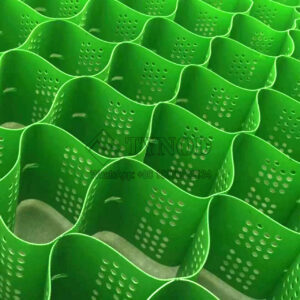
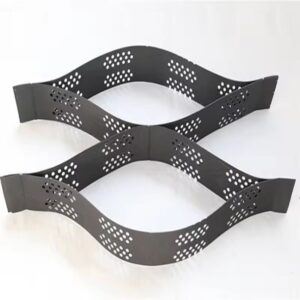
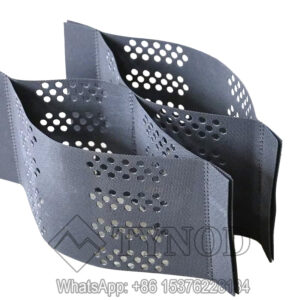
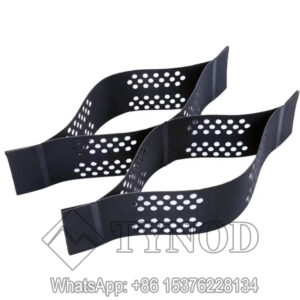
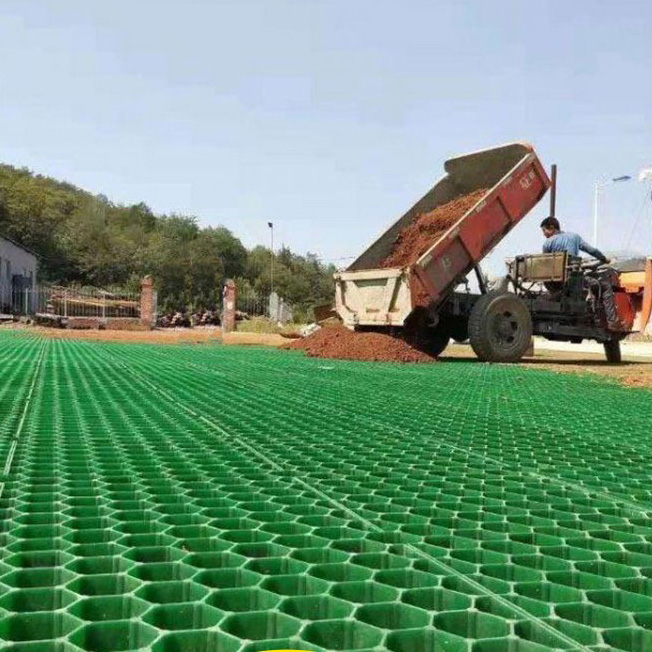
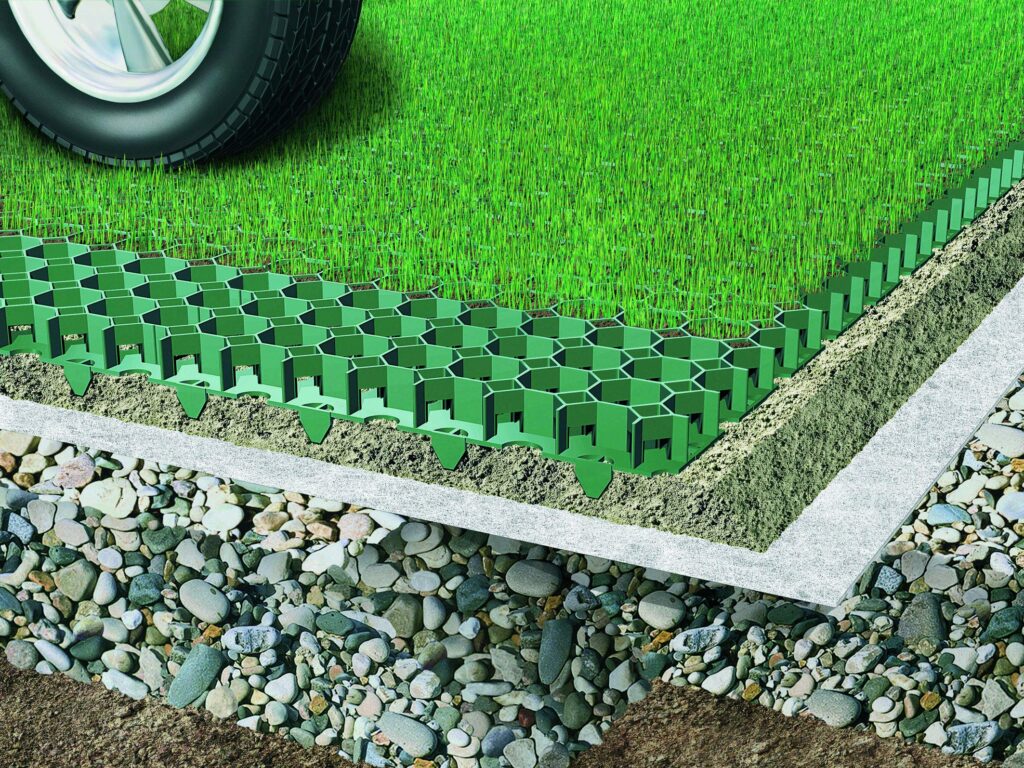
HDPE paver grids are advanced ground reinforcement panels manufactured from High-Density Polyethylene. Their honeycomb-like cells lock together to form a strong and stable surface that supports heavy loads while maintaining ground permeability. Instead of relying on asphalt or concrete that seals the ground and requires heavy construction work, HDPE grids provide a robust structure that works in harmony with the soil beneath.
In today’s era of sustainable construction, more developers, contractors, and architects are turning to HDPE paver grids to solve long-standing problems in parking area design: waterlogging, surface cracking, heat radiation, and constant maintenance. These grids allow parking lots to blend seamlessly into surrounding landscapes, enabling the use of natural grass or decorative gravel without sacrificing vehicle support.
Another important characteristic is material efficiency. HDPE is lightweight but extremely strong thanks to its engineered molecular structure. Because of this, the grids resist deformation, weather impacts, corrosion, and chemicals — making them an ideal solution for long-term outdoor installations. The grids can also be shaped and trimmed easily during installation, providing exceptional design flexibility.
As urban populations expand and climate change increases stormwater management challenges, municipalities worldwide are shifting toward permeable, eco-friendly infrastructure. HDPE grids fit perfectly into this transformation, delivering both high performance and environmental responsibility.
💪 2) What Makes HDPE Paver Grids a Superior Option?
When comparing modern parking lot solutions, HDPE grids achieve advantages in more areas than any traditional pavement:
✔ Structural Performance That Lasts
The interconnected cells distribute vehicle loads horizontally rather than vertically into the ground, preventing ruts and potholes. Heavy vehicles like fire trucks or delivery trailers can operate without surface deformation.
✔ Flexible and Crack-Resistant
HDPE absorbs ground movement, resisting cracking during freeze-thaw cycles or soil settlement — an issue that concrete fails to solve.
✔ Natural Water Permeability
Instead of creating stormwater runoff, HDPE grid systems encourage rainwater infiltration and recharge groundwater. Surfaces dry faster with no puddles or icy patches.
✔ Environmental Excellence
• Supports vegetation growth
• Reduces heat island effects
• Made from recyclable materials
• Complies with sustainable construction standards
✔ Minimal Maintenance
Once installed, the system rarely requires repair. Gravel or turf stays locked firmly in place, eliminating surface washouts or erosion.
✔ Aesthetic Enhancement
Whether grass-filled or gravel-filled, the final appearance is more attractive and blends smoothly into parks, residential areas, or commercial landscapes.
✔ Economical Choice
Low labor, reduced base material requirements, and a long service lifespan create a lower total cost compared to concrete or asphalt.
In summary:
HDPE paver grids deliver durability, style, eco-performance, and economic value — a package no conventional pavement can match.
🚗 3) Key Parking Lot Advantages with HDPE Grids
HDPE grids are specifically engineered to improve parking lot performance:
✨ Stable and Comfortable Surface
No more sinking tires or uneven driving surfaces. Vehicles feel the same support level as a paved road — just greener and safer.
🌧 Excellent Drainage & Stormwater Compliance
Water passes through freely, preventing runoff, soil erosion, and flooding. This helps projects meet modern drainage regulations and low-impact development requirements.
🌿 Greener Visual Appeal
Grass-filled grids create a green parking environment that enhances property value and supports eco-friendly community branding.
🔇 Reduced Noise and Dust
Stabilized gravel eliminates loose stones and road dust. This improves air quality and reduces disturbance around residential or recreational zones.
🛡 Durable Support for Emergency and Heavy Vehicles
Even with grass, the structure maintains high load-bearing capacity suitable for fire lanes or utility access routes.
🏆 Recognition for Sustainable Design
Using permeable pavers can contribute to LEED certification and architectural awards — a selling point for commercial developers.
From shopping malls to residential retreats, HDPE paver grids turn ordinary parking areas into high-performance environmental assets.
🌍 4) Versatile Applications of HDPE Paver Grids
These systems provide flexibility for a vast range of terrains and industries:
• Commercial and residential parking areas
• Overflow or seasonal parking at stadiums and event venues
• Golf course and resort parking zones
• Fire and emergency vehicle access lanes
• RV and boat storage stations
• Logistics and industrial loading access routes
• Military bases and airport service areas
• Environment-sensitive projects like lakeside parks
• Construction site stabilization — temporary and reusable
• Eco-tourism roads and rural development programs
By adapting to various surface finishes — turf, decorative stone, or gravel — HDPE grids allow the same site to support multiple functional roles over time.
🧪 5) HDPE vs. PP vs. Concrete — Which Performs Best?
Choosing the right material involves comparing durability, climate suitability, and lifecycle cost:
| Feature | HDPE Paver Grids | PP Paver Grids | Concrete Pavement |
|---|---|---|---|
| Flexibility | ⭐⭐⭐⭐⭐ Excellent | ⭐⭐⭐ Good | ❌ Poor — cracks |
| Load Capacity | ⭐⭐⭐⭐⭐ High | ⭐⭐⭐ Average | ⭐⭐⭐⭐ High |
| UV & Weather Resistance | ⭐⭐⭐⭐⭐ Strong | ⭐⭐ Moderate | ⭐⭐⭐ Good |
| Permeability | ⭐⭐⭐⭐⭐ Yes | ⭐⭐⭐ Yes | ❌ No |
| Aesthetics | ⭐⭐⭐⭐⭐ Grass/Gravel/Green | ⭐⭐⭐ Gravel | ⭐⭐ Hard and dull |
| Installation Speed | Fast | Fast | Very slow |
| Environmental Impact | Low | Medium | High |
HDPE clearly offers the best overall performance and value, especially for long-term outdoor projects exposed to climate change and heavy load demand.
🎯 6) How to Select the Right HDPE Paver Grid System
To match project conditions and ensure success, consider:
- Load Strength Requirements
Passenger cars vs. heavy trucks vs. emergency vehicles - Infill Preference
Grass for aesthetics and cooling; gravel for durability and minimal upkeep - Base Preparation Needs
Soft soil may require geotextile support - Thickness and Cell Dimensions
Higher grid height = increased stability under stress - Weather and Climate
Ensure UV-stabilized resin for long sun exposure - Supplier Quality Certifications
ISO standards, compression tests, environmental compliance
Engineers often rely on HDPE grids because they offer predictable long-term results with simplified installation.
🔚 7) Final Insights & Value Summary
HDPE paver grids mark a new generation of ground reinforcement — one that aligns perfectly with sustainable development priorities, cost optimization strategies, and aesthetic improvement requirements.
They deliver:
• Strong load-bearing performance
• Complete resistance to cracking and settling
• Outstanding drainage and groundwater protection
• Lower maintenance than any rigid pavement
• Reduced overall project cost
• Seamless environmental integration
• Adaptability to a wide range of surfaces and industries
In a world that demands infrastructure to be functional, environmentally responsible, and economically smart, HDPE paver grids stand out as the most forward-thinking solution for parking lots.