Understanding What Is Uniaxial Geogrid is essential if you work in earthworks, retaining structures, road embankments, or any application where soil must resist long-term tension. This material has become one of the most trusted reinforcement solutions because it delivers high strength in a single direction. Its performance in retaining walls, steep slopes, and high-load applications makes it a favorite among engineers worldwide.
What Is Uniaxial Geogrid?
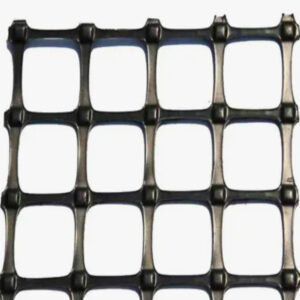
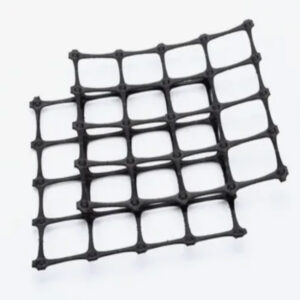
A simple way to explain What Is Uniaxial Geogrid is this: it is a geosynthetic reinforcement material designed to provide very high tensile strength in one primary direction. Unlike biaxial or triaxial geogrids that spread strength across multiple directions, a uniaxial type focuses its load-bearing capability along the machine direction of the ribs. This is why it performs extremely well in applications where soil tends to move outward or downward under pressure.
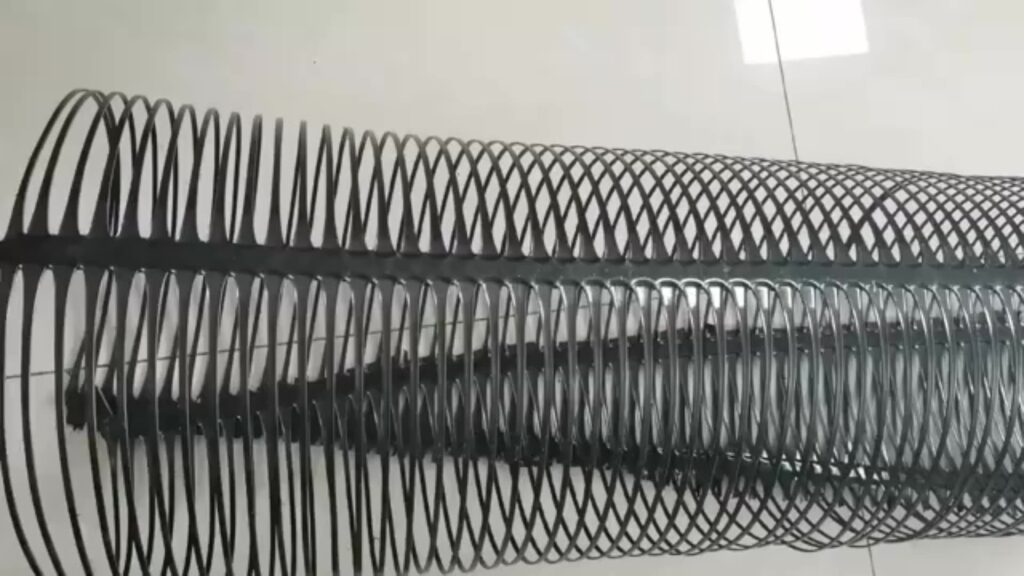
Most uniaxial geogrids are made from high-strength polymers like HDPE or PET. After extrusion, stretching, and punching, the resulting structure has long ribs aligned parallel to each other. This process improves tensile strength, durability, and resistance to creep. The material becomes tough enough to handle long-term earth pressure without deformation.
Why Engineers Prefer Uniaxial Geogrids
Engineers choose uniaxial geogrids for one main reason: superior directional strength. While other geogrids distribute load in various directions, a uniaxial version provides exceptional resistance against outward soil pressure, making it ideal for structures that rely on stability and long-term load control.
Key reasons engineers use it:
- High tensile strength in one direction
- Exceptional creep resistance for long-term performance
- Superior friction interaction with soil or backfill
- Ability to reduce geotechnical failure risks
- Efficient reinforcement for structures under constant pressure
- Cost savings due to lower material and labor requirements
These benefits make uniaxial geogrid one of the most reliable reinforcement tools in modern civil engineering.
How Uniaxial Geogrids Work
To fully understand What Is Uniaxial Geogrid, it helps to look at how it behaves when combined with soil.
1. Creates a Reinforced Soil Composite
When placed within compacted soil layers, uniaxial geogrids interlock with the backfill. As the soil pushes outwards, the geogrid resists this force and transfers it along its ribs. This interaction creates a composite system where soil and geogrid work together to resist pressure.
2. Controls Lateral Movement
Soil naturally wants to move sideways under load. The high directional strength of a uniaxial grid prevents this lateral movement, especially in retaining walls and steep slopes. This restraint significantly increases the overall stability of the structure.
3. Reduces Settlement and Deformation
The geogrid distributes applied pressure across a much wider zone. As a result, the soil structure experiences less vertical settlement and maintains its shape over time.
4. Enhances Shear Resistance
Because the ribs run in one direction, the geogrid offers strong shear reinforcement. This is especially useful in soft soils or embankment foundations where sliding could occur.
When Should You Use Uniaxial Geogrid?
After understanding What Is Uniaxial Geogrid, the next step is knowing when to use it. This material is recommended for projects that need long-term reinforcement, particularly those facing heavy loads or constant outward soil pressure.
1. Retaining Walls
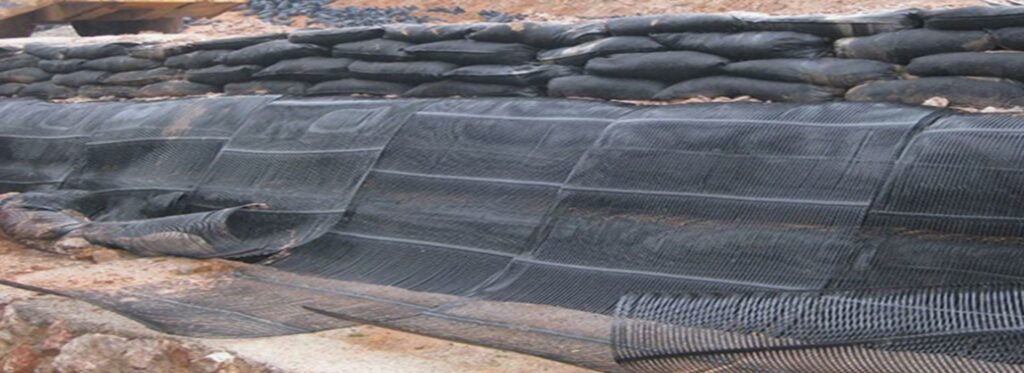
This is the most common application. Uniaxial geogrids are placed between soil layers behind the wall face. They act like long anchors that stabilize the entire backfill area. This greatly improves wall strength and reduces the risk of bulging or collapse.
Benefits for retaining walls:
- Supports taller walls with less concrete
- Reduces wall thickness requirements
- Improves safety and structural stability
- Ideal for segmental block walls, gabions, and reinforced earth walls
2. Steep Slopes and Embankments
Uniaxial geogrids allow slopes to be built steeper than natural soil would normally allow. They reinforce the soil internally, making the slope more resistant to sliding.
Common uses:
- Road embankments
- Railway embankments
- Levees and dams
- Land reclamation projects
3. Bridge Abutments
Engineers often use uniaxial geogrids to reinforce soil behind bridge abutments. This reduces settlement and improves long-term load support.
4. High Walls in Highway and Railway Construction
Large transportation projects often require walls higher than traditional gravity systems can safely support. Uniaxial geogrid reinforcement increases strength without massive concrete structures.
5. Landfill and Environmental Applications
In landfills, the geogrid provides stability to steep containment slopes and support for soil caps placed above waste layers.
6. Soft Soil Reinforcement
When constructing on soft clay or silt, uniaxial geogrids help distribute loads and reduce settlement. They create a more balanced and stable soil structure for building.
Types of Uniaxial Geogrids
Knowing What Is Uniaxial Geogrid also includes understanding its types. The two most common classifications are based on material.
1. HDPE Uniaxial Geogrid
These are produced by stretching high-density polyethylene.
Advantages:
- High durability
- Excellent chemical and UV resistance
- Suitable for outdoor exposed applications
2. PET Uniaxial Geogrid
Made from polyester yarns woven or knitted into a grid.
Advantages:
- Extremely high tensile strength
- Superior creep resistance
- Ideal for tall retaining walls and high-load structures
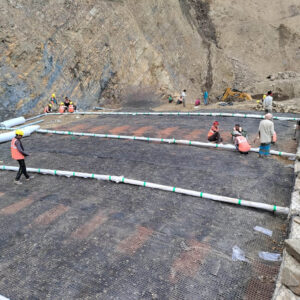
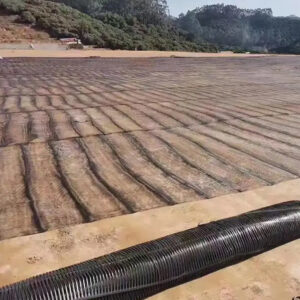
How Uniaxial Geogrid Is Installed
Engineers appreciate uniaxial geogrids because they are easy to install and do not require heavy machinery.
Standard installation steps:
- Prepare the foundation soil and ensure proper compaction.
- Place the first geogrid layer behind the wall or along the slope.
- Extend the geogrid to the required design length, usually several meters.
- Anchor the front edge behind the wall face or facing blocks.
- Place and compact engineered backfill over the geogrid.
- Repeat layers according to the design height and spacing.
Proper installation ensures load is evenly distributed and long-term performance is achieved.
Advantages of Using Uniaxial Geogrid
Understanding What Is Uniaxial Geogrid highlights how effective it is in providing stable, cost-efficient, and durable reinforcement.
Major advantages:
- Allows construction of tall walls without deep foundations
- Reduces material costs compared to traditional retaining structures
- Minimizes deformation and settlement
- Enables construction on soft soils
- Extends lifespan of civil engineering structures
- Withstands long-term loads without creep
- Provides excellent interlock with various backfill types
Because of these strengths, uniaxial geogrids are now standard in modern transport and infrastructure design.
Comparison: Uniaxial vs. Biaxial vs. Triaxial Geogrids
Knowing What Is Uniaxial Geogrid helps highlight the differences between similar products.
Uniaxial Geogrid
- Strength in one direction
- Best for retaining walls and steep slopes
Biaxial Geogrid
- Strength in two directions (longitudinal and transverse)
- Ideal for pavement reinforcement
Triaxial Geogrid
- Strength across multiple directions
- Used for roads requiring advanced load distribution
In applications requiring long anchors behind walls, uniaxial is the clear choice.
Why Uniaxial Geogrids Continue to Grow in Popularity
As infrastructure demands grow, engineers look for economical and high-performance reinforcement solutions. Uniaxial geogrids match these needs perfectly.
Reasons for growing demand:
- Suitable for challenging terrain
- Supports modern construction methods
- Reduces carbon footprint
- Speeds up construction schedules
- Provides predictable long-term performance
Its combination of strength, economy, and reliability ensures it will remain one of the most widely used geosynthetics.
Conclusion
Now you have a clear understanding of What Is Uniaxial Geogrid and why engineers rely on it for long-term soil reinforcement. Its one-directional strength, excellent creep resistance, and ability to stabilize retaining walls, slopes, and embankments make it a core material in modern civil engineering. Whether your project involves load-bearing structures or challenging soil conditions, uniaxial geogrids offer a proven and efficient solution. Contact us now to get a quotation