Understanding what is geocell and how it works is essential for anyone involved in construction, road engineering, slope protection, or foundation reinforcement. Over the past decade, this product has become one of the most reliable and cost-effective soil stabilization materials worldwide. Contractors, engineers, and project owners have embraced geocells because they deliver fast installation, high performance, and long-term durability across a wide range of conditions.
What Is Geocell?
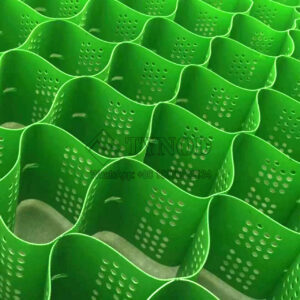
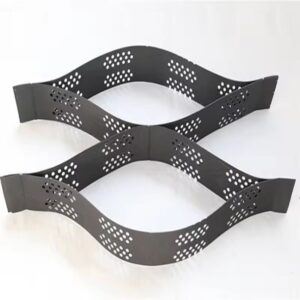
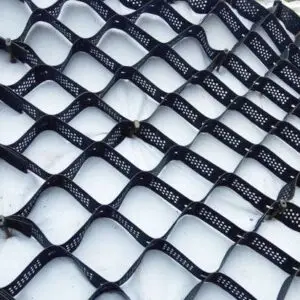
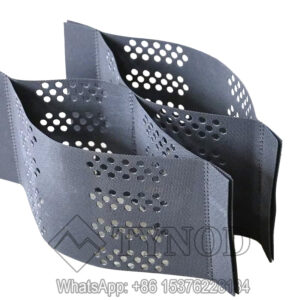
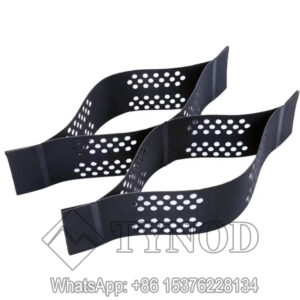
To put it simply, what is geocell can be answered like this: it is a three-dimensional honeycomb structure made from HDPE (high-density polyethylene). When expanded on-site and filled with soil, gravel, sand, or concrete, it forms a strong confinement system that locks the infill in place. The material looks like a flexible mesh when folded, but once opened, it becomes a deep cellular grid capable of distributing heavy loads and preventing soil movement.
This design concept is based on the principle of confinement. Each cell controls the lateral movement of the material inside, which dramatically increases the structural strength of the layer. Think of it as giving loose soil a protective cage, transforming weak ground into a stable working platform.
Why Geocell Has Become a Game-Changer
Engineers often describe the geocell as “simple but powerful.” Its value comes from its ability to solve multiple engineering problems with a single material. Instead of relying on thick layers of aggregate or expensive soil replacement, geocells deliver high bearing capacity at a lower cost and with minimal site disruption. That is why knowing what is geocell is only the first step—understanding its benefits helps you see why it has become so popular.
Key Advantages:
- Reinforces weak soils without needing excessive excavation
- Reduces project costs by minimizing aggregate consumption
- Provides strong load distribution for roads and platforms
- Improves long-term stability on slopes and embankments
- Resists erosion even under heavy rainfall or water flow
- Offers quick installation and requires minimal equipment
Because of these strengths, geocells are now widely used in highways, railways, oil fields, mining areas, ports, landfills, and environmental restoration projects.
How Geocell Improves Soil Stabilization
Understanding what is geocell is helpful, but the real value lies in how it actually improves soil behavior. Below are the core mechanisms that make geocell one of the most effective soil stabilization solutions in modern engineering.
1. Lateral Confinement Effect
When the cells are filled with soil or aggregate, they create a rigid confinement that prevents lateral spreading. This is the most important mechanism behind geocell performance. Loose soil normally shifts under pressure, but the cell walls restrict this movement. As a result:
- Soil shear strength increases
- Load distribution improves
- Settlement decreases
The geocell essentially transforms weak soil into a stable structural layer that can support heavy loads like trucks, machinery, and retaining structures.
2. Enhanced Load Distribution
Another way geocells improve soil stabilization is by spreading loads across a wider area. Instead of allowing pressure to point-load directly into the ground, the geocell disperses the force horizontally through the interconnected cells. This allows:
- Roads to stay level longer
- Foundations to resist sinking
- Pavement layers to avoid cracking
This load-spread effect is especially valuable in soft soil regions such as coastal areas, wetlands, and deserts.
3. Vertical Reinforcement
The depth of the cells plays a major role in reinforcing the soil vertically. When filled and compacted, each layer behaves like a semi-rigid slab that adds stiffness to the overall structure. This property helps control rutting and maintains structural integrity even under repeated traffic loads.
4. Reduction in Aggregate Thickness
With geocells, engineers do not need to rely on thick base layers to achieve strength. The confinement system allows thinner layers to perform as well as, or better than, traditional deep aggregate sections. This results in:
- Lower construction costs
- Faster project timelines
- Reduced transportation requirements
In remote areas where aggregates are expensive or scarce, this advantage becomes extremely valuable.
5. Erosion Control and Slope Protection
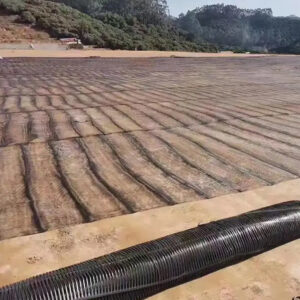
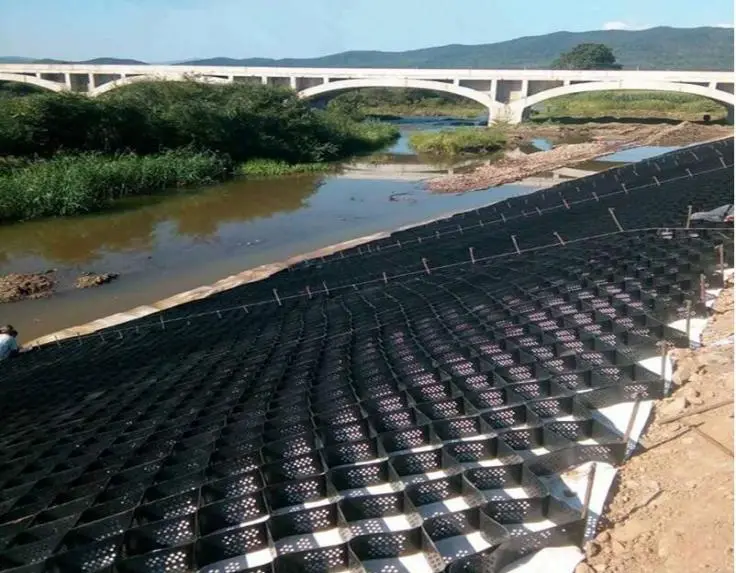
Geocells are commonly used for slopes, embankments, and channels because they keep surface soil firmly locked in place. Whether the infill is soil, vegetation, or concrete, the geocell prevents erosion caused by rain, wind, or water flow. It is particularly effective for:
- Steep slopes
- Riverbanks
- Drainage channels
- Landfills
- Retaining structures
By stabilizing both the surface and the underlying layers, geocells deliver long-lasting erosion protection.
Where Geocells Are Commonly Used
Now that we’ve clarified what is geocell, the next question is where it is most effective. Because of its flexibility and powerful confinement properties, geocell is used in many types of civil engineering projects.
1. Road Construction
Geocells are used in road bases, sub-bases, shoulders, and access roads to control rutting and enhance load-bearing capacity.
2. Slope Stabilization
They prevent soil movement on steep slopes and help maintain vegetation cover.
3. Erosion Control
Geocells protect riverbanks, coastlines, drainage channels, and embankments from erosion.
4. Retaining Structures
They can be used to create gravity retaining walls that are strong yet lightweight.
5. Railway Engineering
Geocells stabilize soft soils under tracks to reduce settlement and vibration.
6. Mining and Oil Projects
Often used for haul roads and working platforms where heavy equipment operates daily.
7. Foundations and Working Platforms
Geocells create stable platforms for machinery, temporary works, and long-term structures.
Types of Geocells
Understanding what is geocell also means knowing the different types available. The most common classifications are based on material, cell height, welding distance, and thickness.
1. HDPE Geocell
This is the most widely used type due to its durability, flexibility, and resistance to chemicals and UV exposure.
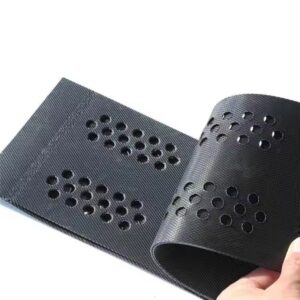
2. Perforated vs. Non-Perforated
- Perforated geocells provide better soil bonding and drainage, improving interlock.
- Non-perforated geocells offer higher tensile strength for load support applications.
3. Cell Height
Typical heights include 50mm, 75mm, 100mm, 150mm, and 200mm.
Higher cells offer stronger structural performance.
4. Welding Distance
Ranges from 330mm to 660mm, affecting the size and shape of each cell.
How Geocell Is Installed
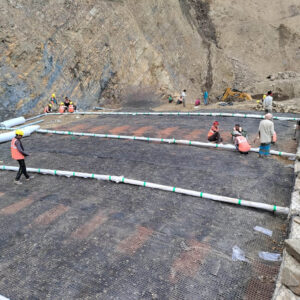
The installation method is another reason geocells have become so popular. Once you understand what is geocell, the setup becomes surprisingly simple. The installation steps usually include:
- Prepare the Subgrade
Level and compact the soil base. - Expand the Geocell Panels
Pull them open and anchor the edges. - Fill the Cells
Use soil, sand, gravel, or concrete depending on the application. - Compact the Layers
Proper compaction is essential for maximum performance. - Add Additional Layers if Needed
Some projects require multiple layers for heavy-duty reinforcement.
The entire process is fast, low-cost, and requires minimal machinery.
Why Engineers Prefer Geocells Today
The growing popularity of geocells reflects a shift in modern engineering. Projects increasingly demand solutions that are cost-effective, environmentally friendly, and easy to install. By understanding what is geocell, engineers recognize that it meets all these requirements.
Key Reasons for Its Popularity:
- Lower carbon footprint
- Reduced material transportation
- Long service life
- High adaptability to different environments
- Compatibility with local infill materials
In many cases, geocells outperform traditional reinforcement methods like geogrids or thick aggregate layers.
Conclusion
Now you have a clear understanding of what is geocell and how it enhances soil stabilization. Its unique three-dimensional confinement system strengthens weak soils, improves load distribution, controls erosion, and reduces construction costs. Whether you are working on roads, slopes, foundations, or environmental protection projects, geocells offer a smart, durable, and efficient solution. Contact us now to get a quotation.