What Is the Difference Between 30-200 and 40-200 Composite Geogrid?

What Is the Difference Between 30-200 and 40-200 Composite Geogrid?

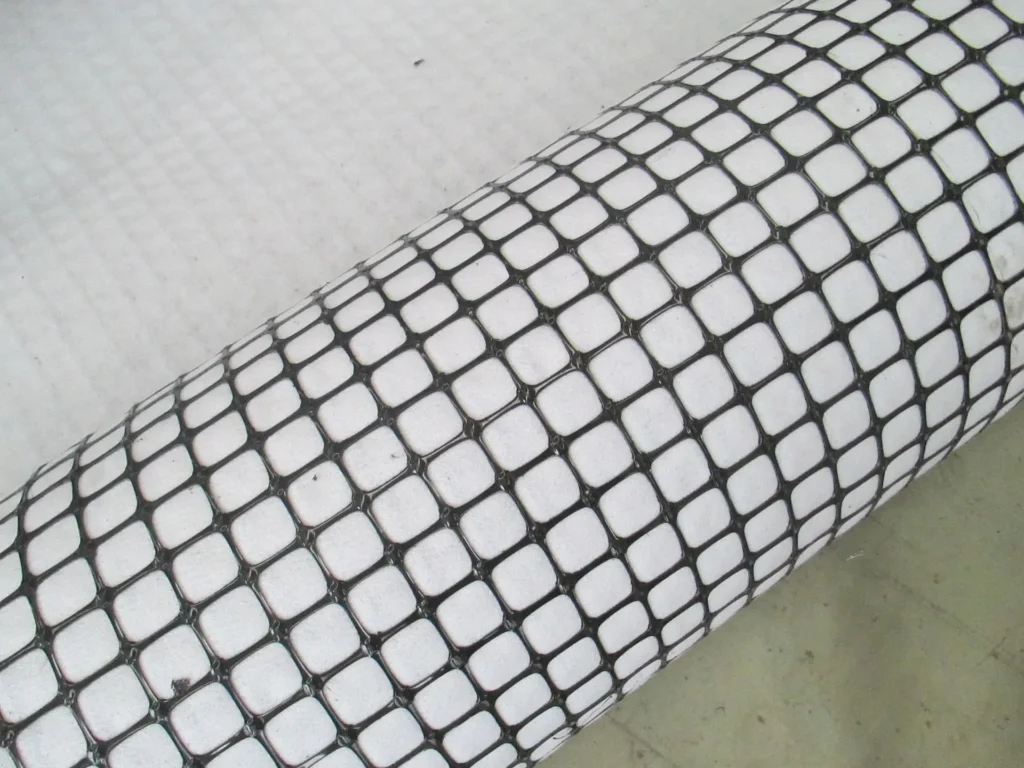
Composite geogrids are widely used in pavement reinforcement, subgrade stabilization, and asphalt overlay systems. Among commonly specified models, 30-200 composite geogrid and 40-200 composite geogrid are frequently compared in road and railway projects.

Understanding the difference between 30-200 and 40-200 composite geogrid is essential for selecting the correct reinforcement level based on traffic load, pavement structure, and design life requirements.

This article provides a detailed technical comparison covering strength parameters, structural performance, application scenarios, and economic considerations.


1. What Does 30-200 and 40-200 Mean?

In composite geogrid specifications, the model designation typically reflects tensile strength values.

  • The first number (30 or 40) usually represents tensile strength in the machine direction (kN/m)
  • The second number (200) commonly refers to ultimate tensile strength of the fiberglass component or reinforcement yarn strength in certain composite structures

However, exact interpretation may vary slightly depending on manufacturer standards, so technical datasheets should always be verified.

In practical engineering terms:

  • 30-200 composite geogrid = 30 kN/m tensile strength (primary direction)
  • 40-200 composite geogrid = 40 kN/m tensile strength (primary direction)

The key difference lies in load-bearing capacity.


2. Structural Composition of Composite Geogrid

Composite geogrids generally consist of:

  • Fiberglass or polyester reinforcement yarns
  • Polymer coating (bitumen or PVC)
  • Bonding layer for asphalt compatibility

They are primarily used for:

  • Asphalt reinforcement
  • Crack control
  • Reflective cracking mitigation

Both 30-200 and 40-200 share similar structural composition, but differ in tensile capacity.


3. Tensile Strength Comparison

3.1 Ultimate Tensile Strength

ModelTensile Strength (kN/m)Relative Capacity
30-20030 kN/mStandard duty
40-20040 kN/mHeavy duty

The 40-200 composite geogrid provides approximately 33% higher tensile strength than 30-200.


3.2 Effect on Pavement Reinforcement

Higher tensile strength means:

  • Greater resistance to tensile strain
  • Improved crack control capability
  • Higher load-transfer efficiency

In fatigue-critical asphalt pavements, 40-200 provides enhanced structural reinforcement.


4. Performance Under Traffic Loading

The difference between 30-200 and 40-200 composite geogrid becomes more significant under heavy or repeated traffic loading.

4.1 Medium Traffic Conditions

(urban roads, secondary highways)

30-200 composite geogrid is typically sufficient because:

  • Tensile demand is moderate
  • Asphalt thickness provides structural support

4.2 Heavy Traffic Conditions

(expressways, container yards, airport taxiways)

40-200 composite geogrid is recommended because:

  • Higher tensile stress develops in asphalt layers
  • Fatigue cracking risk is greater
  • Load cycles are significantly higher

5. Crack Resistance and Fatigue Performance

Composite geogrids improve asphalt fatigue resistance by:

  • Reducing tensile strain at the bottom of asphalt layers
  • Delaying crack initiation
  • Slowing crack propagation

Because 40-200 has higher tensile stiffness, it:

  • Performs better in controlling bottom-up fatigue cracking
  • Provides stronger resistance to reflective cracking
  • Improves long-term pavement durability

However, over-specifying reinforcement may not be economically justified for low-traffic roads.


6. Application Comparison

6.1 Typical Applications for 30-200 Composite Geogrid

  • Municipal roads
  • Rural highways
  • Asphalt overlay reinforcement
  • Residential developments
  • Light industrial roads

6.2 Typical Applications for 40-200 Composite Geogrid

  • National highways
  • Expressways
  • Heavy industrial pavements
  • Airport pavements
  • Port container yards

The selection depends primarily on traffic category and design life.


7. Influence on Pavement Thickness Design

When using 40-200 composite geogrid:

  • Asphalt thickness may be optimized
  • Fatigue life can be extended
  • Maintenance intervals can be increased

In contrast, 30-200 is suitable when:

  • Structural thickness is already sufficient
  • Reinforcement is mainly for crack control rather than structural enhancement
Composite geogrids are widely used in pavement reinforcement, subgrade stabilization, and asphalt overlay systems. Among commonly specified models, 30-200 composite geogrid and 40-200 composite geogrid are frequently compared in road and railway projects.  Understanding the difference between 30-200 and 40-200 composite geogrid is essential for selecting the correct reinforcement level based on traffic load, pavement structure, and design life requirements.  This article provides a detailed technical comparison covering strength parameters, structural performance, application scenarios, and economic considerations.  1. What Does 30-200 and 40-200 Mean?  In composite geogrid specifications, the model designation typically reflects tensile strength values.  The first number (30 or 40) usually represents tensile strength in the machine direction (kN/m)  The second number (200) commonly refers to ultimate tensile strength of the fiberglass component or reinforcement yarn strength in certain composite structures  However, exact interpretation may vary slightly depending on manufacturer standards, so technical datasheets should always be verified.  In practical engineering terms:  30-200 composite geogrid = 30 kN/m tensile strength (primary direction)  40-200 composite geogrid = 40 kN/m tensile strength (primary direction)  The key difference lies in load-bearing capacity.  2. Structural Composition of Composite Geogrid  Composite geogrids generally consist of:  Fiberglass or polyester reinforcement yarns  Polymer coating (bitumen or PVC)  Bonding layer for asphalt compatibility  They are primarily used for:  Asphalt reinforcement  Crack control  Reflective cracking mitigation  Both 30-200 and 40-200 share similar structural composition, but differ in tensile capacity.  3. Tensile Strength Comparison 3.1 Ultimate Tensile Strength Model	Tensile Strength (kN/m)	Relative Capacity 30-200	30 kN/m	Standard duty 40-200	40 kN/m	Heavy duty  The 40-200 composite geogrid provides approximately 33% higher tensile strength than 30-200.  3.2 Effect on Pavement Reinforcement  Higher tensile strength means:  Greater resistance to tensile strain  Improved crack control capability  Higher load-transfer efficiency  In fatigue-critical asphalt pavements, 40-200 provides enhanced structural reinforcement.  4. Performance Under Traffic Loading  The difference between 30-200 and 40-200 composite geogrid becomes more significant under heavy or repeated traffic loading.  4.1 Medium Traffic Conditions  (urban roads, secondary highways)  30-200 composite geogrid is typically sufficient because:  Tensile demand is moderate  Asphalt thickness provides structural support  4.2 Heavy Traffic Conditions  (expressways, container yards, airport taxiways)  40-200 composite geogrid is recommended because:  Higher tensile stress develops in asphalt layers  Fatigue cracking risk is greater  Load cycles are significantly higher  5. Crack Resistance and Fatigue Performance  Composite geogrids improve asphalt fatigue resistance by:  Reducing tensile strain at the bottom of asphalt layers  Delaying crack initiation  Slowing crack propagation  Because 40-200 has higher tensile stiffness, it:  Performs better in controlling bottom-up fatigue cracking  Provides stronger resistance to reflective cracking  Improves long-term pavement durability  However, over-specifying reinforcement may not be economically justified for low-traffic roads.  6. Application Comparison 6.1 Typical Applications for 30-200 Composite Geogrid  Municipal roads  Rural highways  Asphalt overlay reinforcement  Residential developments  Light industrial roads  6.2 Typical Applications for 40-200 Composite Geogrid  National highways  Expressways  Heavy industrial pavements  Airport pavements  Port container yards  The selection depends primarily on traffic category and design life.  7. Influence on Pavement Thickness Design  When using 40-200 composite geogrid:  Asphalt thickness may be optimized  Fatigue life can be extended  Maintenance intervals can be increased  In contrast, 30-200 is suitable when:  Structural thickness is already sufficient  Reinforcement is mainly for crack control rather than structural enhancement  8. Cost Comparison  Naturally, 40-200 composite geogrid has:  Higher material cost  Greater tensile reinforcement capacity  However, life-cycle cost analysis often shows that in heavy-load applications:  40-200 provides better long-term value  Maintenance reduction offsets higher initial cost  For budget-sensitive municipal projects, 30-200 is often more cost-efficient.  9. Installation and Handling  From a construction perspective:  Both models have similar installation methods  Both require proper tack coat application  Both must ensure full bonding with asphalt  The main difference lies not in installation, but in performance level.  10. When Should You Choose 30-200?  Select 30-200 composite geogrid when:  Traffic volume is moderate  Axle loads are standard  Budget constraints exist  Pavement thickness is adequate  Reinforcement is primarily for crack control  11. When Should You Choose 40-200?  Select 40-200 composite geogrid when:  Heavy traffic is expected  Repeated high axle loads occur  Pavement structure is relatively thin  Long design life (15–20+ years) is required  Industrial or port environments exist  12. Engineering Selection Summary Condition	Recommended Model Light to medium traffic	30-200 Heavy traffic	40-200 Asphalt overlay crack control	30-200 Structural reinforcement	40-200 Cost-sensitive project	30-200 Long-life pavement	40-200 13. Key Technical Difference Summary  The difference between 30-200 and 40-200 composite geogrid can be summarized as follows:  40-200 provides 33% higher tensile strength  40-200 performs better under heavy traffic  30-200 is more economical for standard applications  Both improve fatigue and reflective cracking resistance  Selection should be based on engineering demand, not simply higher strength preference.  14. Final Conclusion  Understanding the difference between 30-200 and 40-200 composite geogrid is crucial for achieving optimal pavement performance and cost efficiency.  ✔ Choose 30-200 for moderate traffic and crack control reinforcement. ✔ Choose 40-200 for heavy traffic, higher tensile demand, and extended pavement life.  Proper model selection ensures:  Improved asphalt fatigue resistance  Reduced reflective cracking  Longer pavement service life  Better return on investment
8. Cost Comparison

Naturally, 40-200 composite geogrid has:

  • Higher material cost
  • Greater tensile reinforcement capacity

However, life-cycle cost analysis often shows that in heavy-load applications:

  • 40-200 provides better long-term value
  • Maintenance reduction offsets higher initial cost

For budget-sensitive municipal projects, 30-200 is often more cost-efficient.


9. Installation and Handling

From a construction perspective:

  • Both models have similar installation methods
  • Both require proper tack coat application
  • Both must ensure full bonding with asphalt

The main difference lies not in installation, but in performance level.


10. When Should You Choose 30-200?

Select 30-200 composite geogrid when:

  • Traffic volume is moderate
  • Axle loads are standard
  • Budget constraints exist
  • Pavement thickness is adequate
  • Reinforcement is primarily for crack control

11. When Should You Choose 40-200?

Select 40-200 composite geogrid when:

  • Heavy traffic is expected
  • Repeated high axle loads occur
  • Pavement structure is relatively thin
  • Long design life (15–20+ years) is required
  • Industrial or port environments exist

12. Engineering Selection Summary

ConditionRecommended Model
Light to medium traffic30-200
Heavy traffic40-200
Asphalt overlay crack control30-200
Structural reinforcement40-200
Cost-sensitive project30-200
Long-life pavement40-200

13. Key Technical Difference Summary

The difference between 30-200 and 40-200 composite geogrid can be summarized as follows:

  • 40-200 provides 33% higher tensile strength
  • 40-200 performs better under heavy traffic
  • 30-200 is more economical for standard applications
  • Both improve fatigue and reflective cracking resistance

Selection should be based on engineering demand, not simply higher strength preference.


14. Final Conclusion

Understanding the difference between 30-200 and 40-200 composite geogrid is crucial for achieving optimal pavement performance and cost efficiency.

✔ Choose 30-200 for moderate traffic and crack control reinforcement.
✔ Choose 40-200 for heavy traffic, higher tensile demand, and extended pavement life.

Proper model selection ensures:

  • Improved asphalt fatigue resistance
  • Reduced reflective cracking
  • Longer pavement service life
  • Better return on investment

New Arrivals